
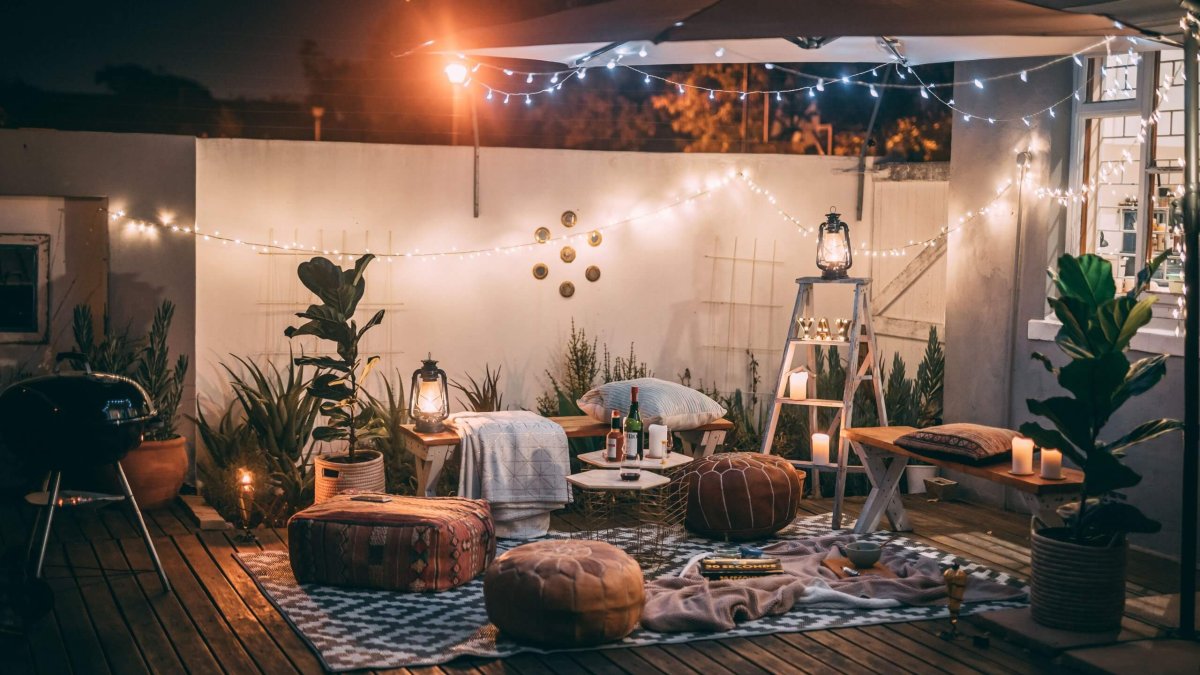

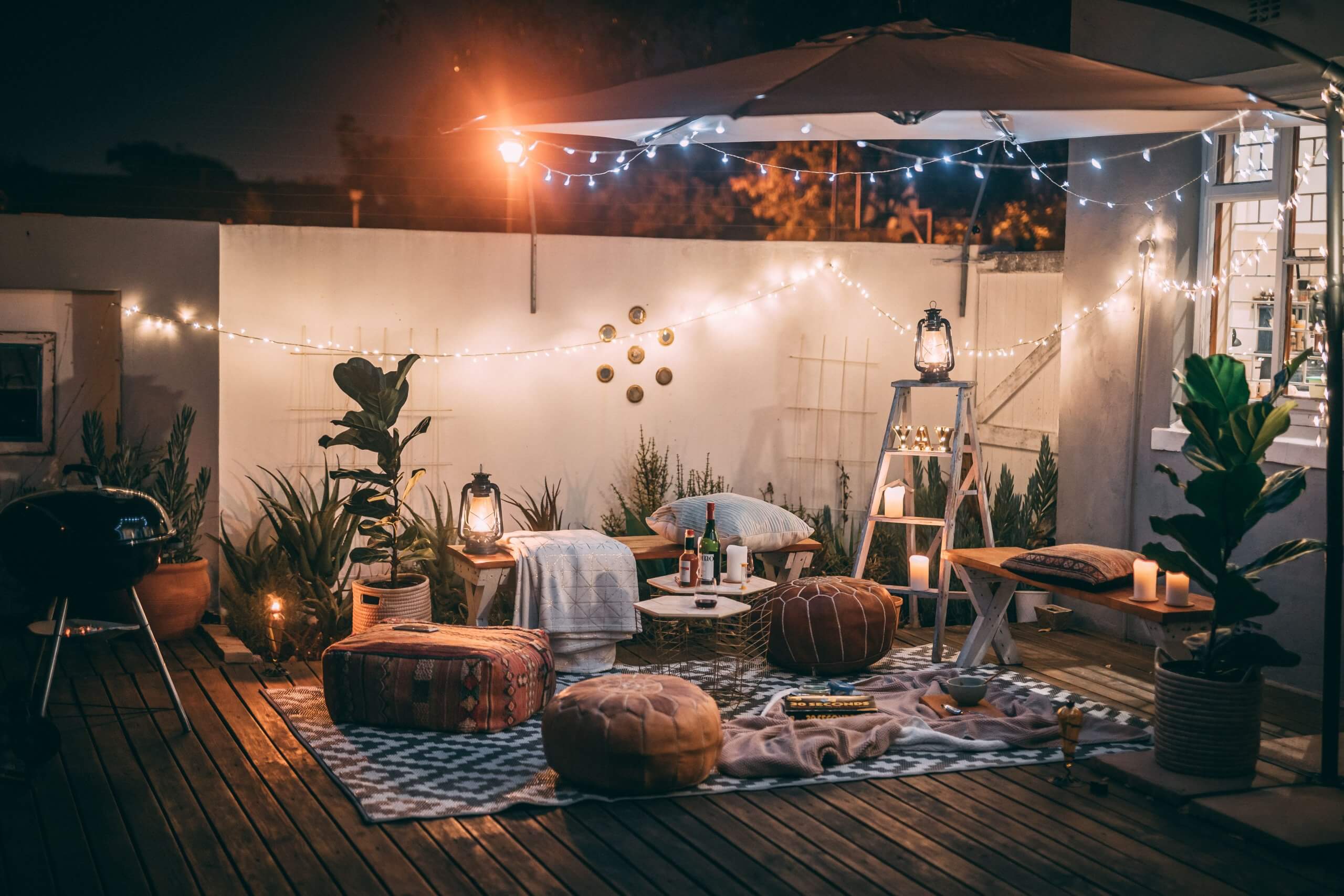
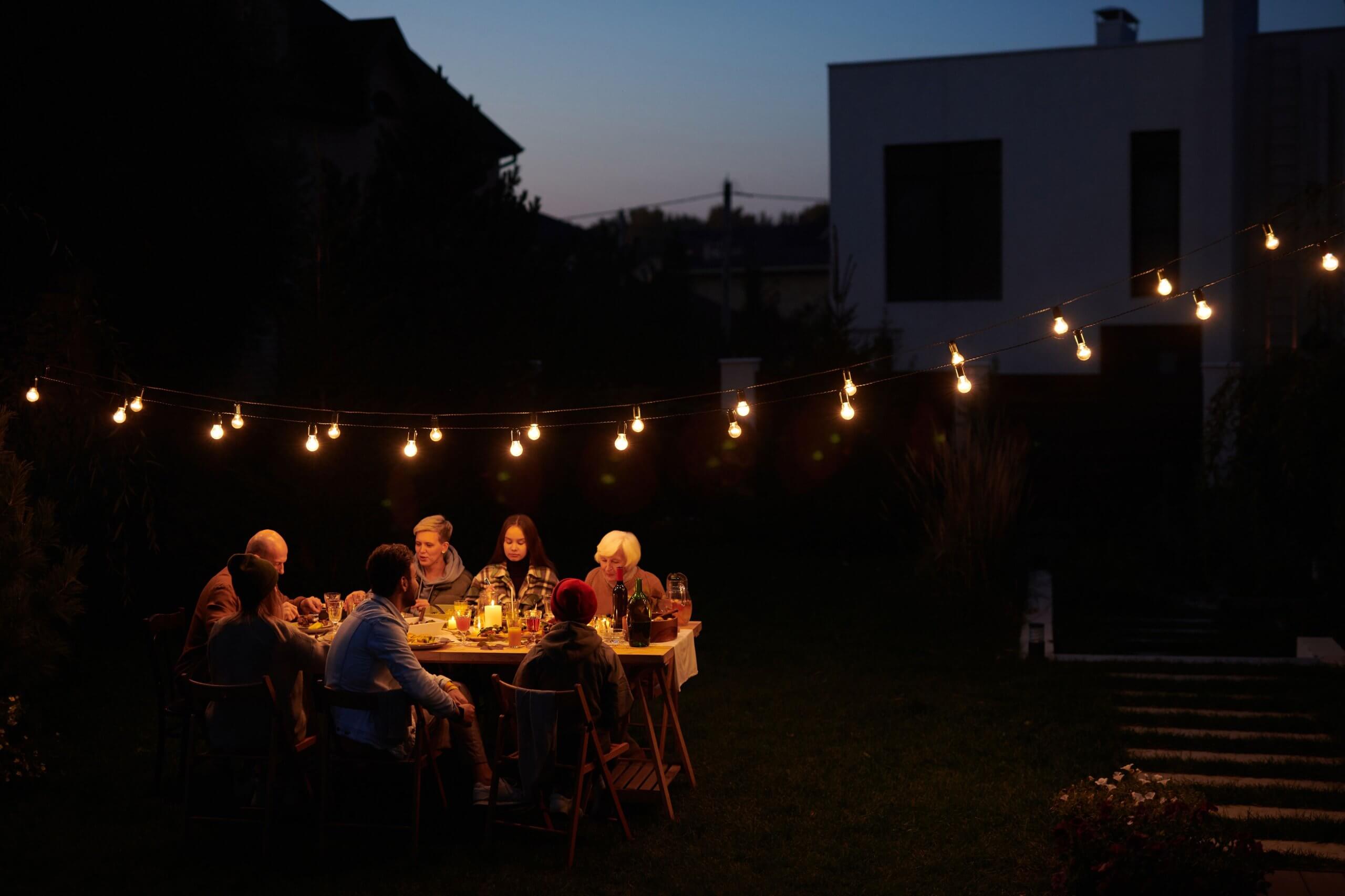
The most memorable backyard gatherings rarely depend on expensive furniture or an elaborate landscape. They happen when people feel comfortable enough to stay. A warm seat, food shared from the centre of the table and soft light across familiar faces can turn an ordinary evening into a small tradition.
I often think of a gathering space as an outdoor living room without walls. It still needs structure, balance and a sense of welcome, but it must also respond to wind, rain, smoke and changing temperatures. The right layout brings those elements together without making the yard feel overdesigned.
Begin by thinking about how your household actually gathers. A space for family pizza nights will look different from one designed for large celebrations, quiet drinks or children running between the lawn and table.
Start with the Feeling You Want to Create
Design decisions become easier when the desired atmosphere is clear. A relaxed country-style setting might use timber, warm lighting and informal bench seating. A contemporary courtyard may rely on clean lines, dark metal and structured planting.
The aim should be comfort rather than visual perfection. Guests are more likely to relax when seating is easy to reach, food is close by and the layout encourages conversation.
Words that may guide the design include:
- Relaxed
- Intimate
- Family-friendly
- Rustic
- Contemporary
- Colourful
- Quiet
- Flexible
- Festive
- Low-maintenance
Choose three words and use them as a filter when comparing furniture, lighting and materials. This can prevent unrelated design ideas from turning the yard into a collection of disconnected features.
Choose the Right Location
The best gathering area may not be the largest open section of the yard. A smaller space near the kitchen could work better because food and drinks are easier to carry. Another location may offer better evening shade, privacy or protection from wind.
Observe the property at the times you normally entertain. Afternoon sun, evening breezes and neighbouring activity can change how a location feels after dark.
Review each potential location for:
- Access from the kitchen
- Existing shade
- Wind exposure
- Privacy
- Ground level
- Drainage
- Garden and pool views
- Distance from bedrooms
- Noise reaching neighbours
- Access to power and water
A direct link with the house often improves convenience, but a separate garden zone can create a stronger sense of escape. A stable path between the two areas helps guests move safely after dark.
Build the Layout Around Conversation
Circular and inward-facing seating naturally brings people together. Long rows of furniture may look tidy but can make conversation difficult, especially when guests sit too far apart.
Place the main heat or dining feature at the centre, then arrange seating so people can see each other without twisting. Leave enough room for guests to step away without disturbing the group.
Possible arrangements include:
- Lounge chairs around a central fire feature
- Dining chairs around a round table
- An L-shaped sofa with movable stools
- Built-in benches with loose chairs
- Two small seating groups
- A dining zone beside an informal lounge
Movable furniture gives the yard more flexibility. Lightweight chairs and side tables can be repositioned for a quiet family evening or a larger gathering.
How a Smokeless Fire Pit Can Create a Natural Focal Point
Fire draws attention through movement, colour and warmth. A low-smoke design can make the experience more comfortable by improving combustion and reducing the amount of smoke produced under suitable operating conditions.
“smokeless fire pit” does not mean completely smoke-free. Moist fuel, poor airflow, incorrect loading and the lighting stage can still produce smoke. Product instructions and suitable dry fuel play a major role in performance.
Before selecting a model, review:
- Overall dimensions
- Heat output
- Recommended fuel
- Clearance requirements
- Weight and portability
- Ash removal
- Surface protection
- Spark control
- Weather cover
- Cleaning instructions
The unit should sit on a stable, non-combustible surface in a well-ventilated open area. Keep it away from overhanging branches, fences, dry plants, structures and anything else that could ignite. Local fire restrictions and weather conditions must always be checked before lighting an outdoor fire.
Set Safe and Comfortable Distances
People need to feel the warmth without sitting too close. The right seating distance depends on the fire pit’s size, heat output and manufacturer instructions.
Allow a clear route around the gathering area so guests can move without stepping between the fire and occupied chairs. Children and pets need close supervision whenever a fire is burning or hot.
The fire zone should include:
- Stable, level flooring
- Non-combustible material below the unit
- Clear space from furniture and vegetation
- Seating placed outside the required clearance
- A route for adding fuel safely
- Adult supervision
- Suitable fire-control equipment nearby
- A plan for cooling and disposing of ash
Never leave a fire unattended. Extinguish it fully after use and remember that metal, coals and ash can remain dangerously hot long after visible flames disappear.
Add Warmth Without Relying Only on Fire
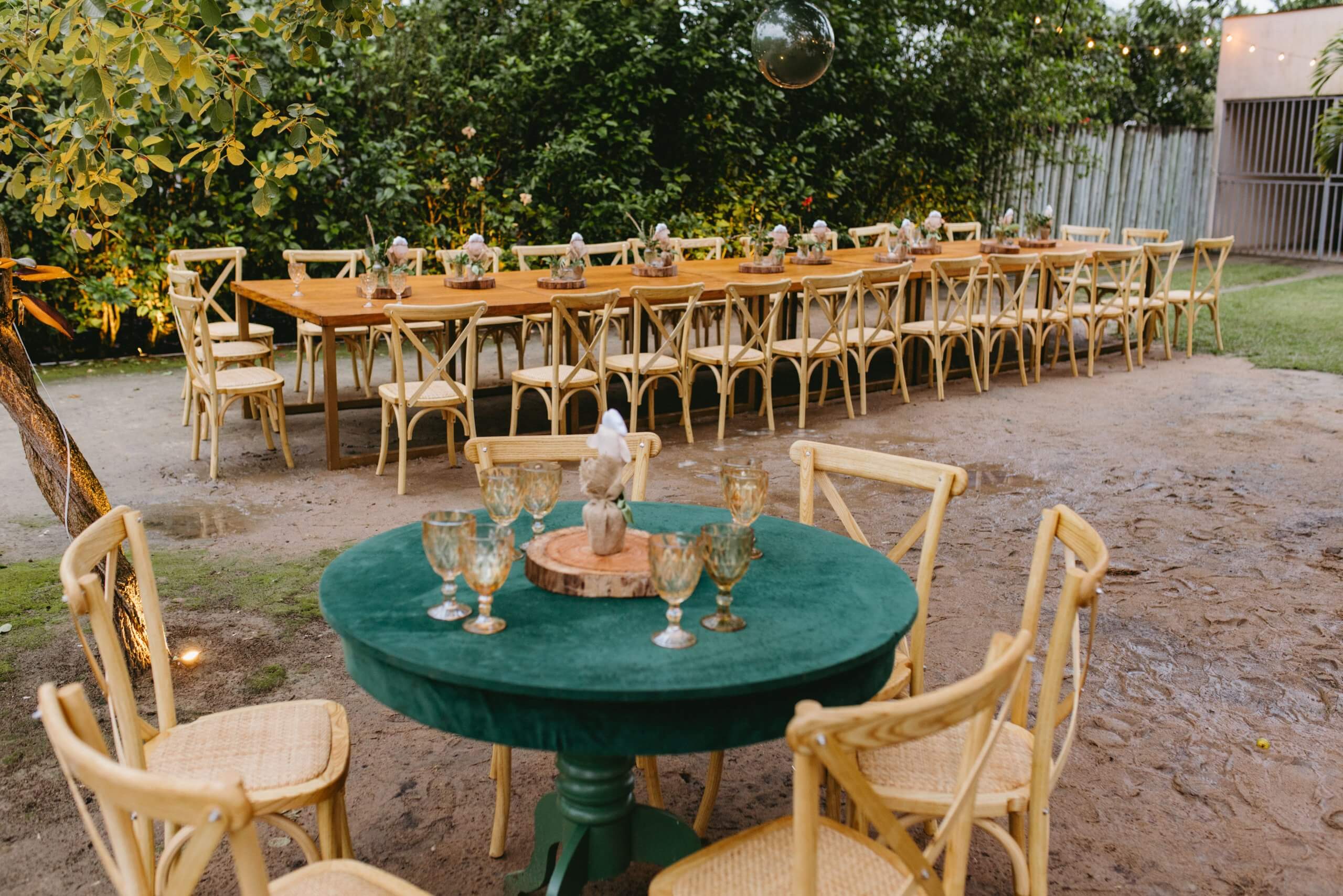
A welcoming space feels warm in both a physical and visual sense. Soft light, textured fabrics, timber tones and sheltered seating can create comfort before the fire is even lit.
This also makes the area useful on days when fire restrictions, strong wind or warm weather rule out a fire. Portable blankets, outdoor cushions and adjustable screens can extend seasonal use.
Warmth-building features include:
- Outdoor rugs suited to the conditions
- Cushions in textured fabrics
- Throws stored in a dry box
- Timber or timber-look furniture
- Warm-white lighting
- Dense planting
- Wind protection
- Upholstered bench seating
- Outdoor heaters used as directed
- Darker accent colours
Choose fabrics made for outdoor exposure. Indoor cushions may absorb moisture and fade quickly, creating more maintenance than comfort.
Use Lighting to Shape the Mood
Bright floodlights can make a backyard feel exposed and flatten the atmosphere. Several softer light sources usually create a more relaxed setting.
General lighting should support safe movement, while lower decorative light can shape the mood around dining and seating areas. Task lighting is useful near cooking surfaces.
A layered plan may include:
- Path lights
- Wall lights
- Downlights
- Pendant lights above tables
- Step lights
- Garden uplighting
- Rechargeable table lamps
- Lights inside storage
- Separate switching zones
- Dimmers where suitable
Keep electrical fittings away from heat and position them where smoke or cooking residue will not collect heavily. Outdoor electrical work should be completed by a licensed electrician using equipment suited to its exposure.
Make Food Part of the Experience
Food often becomes the heartbeat of a gathering. An outdoor cooking area allows the host to remain with guests rather than disappearing inside between courses.
The setup can be simple. A barbecue, preparation bench and serving table may be enough. Larger spaces might include refrigeration, storage, a sink and several cooking appliances.
Plan the food zone around:
- Preparation
- Cooking
- Serving
- Cold storage
- Handwashing
- Waste
- Used dishes
- Safe food temperatures
- Movement around hot equipment
- Cleaning after the event
Keep raw ingredients separate from cooked food and provide enough serving space to prevent crowding around hot appliances. Shade can also help protect preparation surfaces from direct sun.
Add a Gas Pizza Oven for Interactive Entertaining
Gas pizza oven works well for backyard gatherings because it turns cooking into a shared activity. Guests can choose toppings, watch each pizza cook and eat in relaxed stages rather than waiting for one formal meal.
Gas models offer convenient heat control and can reduce preparation time compared with some solid-fuel options. They still require correct placement, ventilation and operation according to the manufacturer’s directions.
A pizza station may include:
- A stable oven stand
- Preparation bench
- Dough trays
- Topping containers
- Heat-resistant tools
- Serving boards
- Lighting
- Ingredient storage
- A safe gas-cylinder position
- Space for cooked food
Outdoor gas appliances should not be used in enclosed or poorly ventilated spaces. Screens, blinds and roofs can change airflow, so the area must remain suitable for the appliance during operation.
Protect Guests from Changing Weather
Shelter can keep a gathering comfortable through light rain or strong sun. Pergolas, awnings, umbrellas and shade sails offer different levels of protection.
Side exposure matters as much as overhead cover. Low afternoon sun and wind-driven rain can enter beneath a roof, so screens or planting may be useful on vulnerable edges.
Weather planning should account for:
- Summer shade
- Winter sun
- Rain direction
- Prevailing wind
- Drainage
- Heat trapped under roofs
- Furniture protection
- Storage for cushions
- Safe use of fire and gas appliances
- A backup indoor plan
Do not fully enclose an area that contains equipment designed only for outdoor use. Good shelter still allows safe ventilation.
Create Easy Movement Between Zones
Guests often move between food, seating, the bathroom and the garden. These routes should remain clear even when every chair is occupied.
Avoid placing the main walkway directly beside flames or hot cooking equipment. Drinks tables, bins and children’s play areas should also sit outside the hottest parts of the space.
Allow room for:
- Pulling out dining chairs
- Carrying serving trays
- Passing behind seated guests
- Reaching the house
- Moving around the fire
- Accessing bins
- Supervising children
- Reaching switches and controls
- Emergency movement
- Guests with limited mobility
Level surfaces and clear paths improve usability for everyone. Where steps cannot be avoided, provide suitable lighting and secure handrails where required.
Use Planting to Add Shelter and Character
Plants can soften hard surfaces, filter views and make the gathering area feel established. Fragrant herbs near the food zone or textured foliage around seating can create a stronger sensory connection with the garden.
Choose species suited to the site and maintenance routine. Plants near heat sources should not be highly flammable or allowed to dry out and overhang the fire zone.
Planting may provide:
- Privacy screening
- Wind filtering
- Shade
- Seasonal colour
- Fragrance
- Habitat for birds
- Visual separation
- A cooler garden outlook
Leave enough space for mature growth. A small shrub planted safely away from the fire today may become much larger within several years.
Add Storage for Fast Setup and Pack-Down
A gathering space is more likely to be used when preparation takes minutes rather than an hour. Nearby storage keeps cushions, blankets, serving equipment and cleaning tools close to where they are needed.
Storage also protects the visual calm of the area. Loose items can be packed away quickly after guests leave.
Useful storage options include:
- Weather-resistant cushion boxes
- Built-in bench storage
- Firewood racks
- Barbecue cabinets
- Pizza-tool hooks
- Shelves for serving trays
- Lidded bins
- Cupboards for tableware
- Blanket baskets kept indoors
- Covers for fire and cooking equipment
Do not place fuel, gas cylinders or flammable materials in an unsuitable enclosed cabinet. Follow product instructions for fuel storage and cylinder positioning.
Set a Budget Based on Priorities
A warm gathering area does not need every feature at once. Begin with the elements that shape safety and use: stable flooring, seating, shade, lighting and circulation.
Cooking equipment, planting and decorative pieces can be added in stages. Planning their future locations now can prevent expensive changes later.
A staged budget might prioritise:
- Ground preparation and drainage
- Safe paths and flooring
- Seating
- Shade or weather cover
- Lighting and electrical work
- Fire feature
- Cooking equipment
- Storage
- Planting
- Decorative accessories
Include ongoing expenses such as fuel, covers, cleaning and replacement cushions. Purchase price is only one part of owning outdoor equipment.
Frequently Asked Questions About Low-Smoke Fire Pits
Do low-smoke fire pits produce no smoke at all?
No. These products are designed to improve combustion and reduce smoke, but they may still smoke during lighting, when damp fuel is used or when airflow is restricted.
Use dry, suitable fuel and follow the loading instructions. Ash build-up can also affect airflow, so regular cleaning matters. Anyone sensitive to smoke should still sit upwind and maintain a comfortable distance.
Can I use a low-smoke fire pit under a pergola?
Only use it in a location permitted by the manufacturer and local requirements. Many solid-fuel fire products need open-air operation with generous clearance from roofs, walls and combustible materials.
A pergola may trap heat or smoke even when its sides are open. Check the instructions for overhead clearance and ventilation. If the site does not meet those conditions, move the unit to a safer open location.
What fuel works best in a low-smoke fire pit?
The correct fuel depends on the product. Many wood-burning models perform best with dry, seasoned firewood cut to a suitable size. Wet or treated wood can produce more smoke and harmful fumes.
Never burn painted timber, household rubbish, plastic or other unsuitable materials. Follow the manufacturer’s fuel guidance and local fire rules. Store approved fuel somewhere dry and away from heat.
Are low-smoke fire pits safe around children and pets?
They can be used in family yards only with close adult supervision and careful placement. Flames, hot metal, sparks and ash can cause serious injury.
Create a clear no-go zone and teach children not to run near the unit. Keep pets controlled and never leave the fire unattended. The fire pit can remain hot for hours after use, so supervision must continue until it has cooled fully.
Can I use a low-smoke fire pit during a total fire ban?
Do not assume that a particular design is permitted during a total fire ban. Restrictions can apply to outdoor solid-fuel fires and may change with location, fire district and conditions.
Check current NSW fire information and local council requirements before every use. If a ban or restriction prevents lighting the fire, use blankets, lighting or another permitted heating option instead. Guest comfort never outweighs fire safety.
Create a Backyard People Want to Return To
A welcoming backyard is built around people rather than products. Warmth, food, comfortable seating and thoughtful lighting work best when movement, weather and safety have already been planned.
Begin with one clear gathering point and arrange the yard around real routines. Observe the wind, test the seating layout and confirm local fire requirements before using any flame. The result can be a space where conversations run longer, meals feel more relaxed and familiar evenings become shared memories.


- AI Search KPIs: Measuring Visibility When Search Stops Sending ClicksWhen someone asks an AI assistant for a recommendation, they may get a complete answer without visiting a website. That makes familiar measures such as organic sessions an incomplete picture of search performance. The right AI Search KPIs help teams understand whether their expertise is... The post AI Search KPIs: Measuring Visibility When Search Stops […]