The Mailbox Makeover: A Realist’s Guide to Choosing Outdoor Residential Mailboxes That Actually Last

Let’s be honest: we’ve all witnessed the tragic lifecycle of the cheap, big-box store mailbox.
You buy it in the spring, and it looks fantastic next to your freshly mulched flowerbeds. But by August, the sun has baked the color right out of it. By November, the hinges are squeaking and rusting. And by February, after a particularly aggressive encounter with a neighborhood snowplow, it’s leaning at a sad, 45-degree angle, held together by duct tape and hope.
We spend thousands of dollars on landscaping, exterior paint, and roofing to protect our homes from the elements. Yet, when it comes to the one object that sits completely exposed to the weather 24/7/365, we often settle for flimsy, thin-gauge metal or cheap plastic.
Your mailbox is the exclamation point at the end of your driveway. If you want it to look great and actually survive the harsh realities of Mother Nature, you need to rethink how you shop for outdoor mailboxes.
Here is a straightforward, no-nonsense guide to choosing a mailbox that is as tough as it is beautiful.
The Material Reality Check: Why “Weatherproof” Isn’t Just a Buzzword
When you’re scrolling through options online, almost every single box claims to be “weather-resistant.” But in the world of exterior hardware, there is a massive difference between a mailbox that can survive a light spring shower and one that can withstand a decade of blazing UV rays, freezing ice, and salty coastal air.
If you are tired of replacing your mailbox every three years, here is what you need to look for under the hood:
- Powder-Coated Finishes vs. Standard Paint: Standard spray paint will chip, peel, and fade within a single season of direct sunlight. High-quality mailboxes are finished with a baked-on powder coat. This process creates a skin that is significantly harder and more flexible than paint, meaning it won’t crack when the metal expands and contracts with temperature changes.
- Aircraft-Grade Aluminum or Heavy-Gauge Steel: Standard steel is strong, but if the protective coating gets scratched, it will rust from the inside out. Rust-resistant cast aluminum or heavy-gauge steel is the gold standard. Aluminum is particularly brilliant for coastal homes where salt air eats standard metals for breakfast.
- The “Snowplow Factor”: If you live in a snowy climate, your mailbox will get hit by flying snow. Investing in a heavy-duty, reinforced mounting bracket (or a flexible post) can save your beautiful mailbox from being snapped in half, allowing it to absorb the shock without breaking.
Matching the Architecture: Post, Wall, or Column?
Durability is only half the battle; the mailbox also needs to make architectural sense for your home. Forcing a rustic, farm-style mailbox onto a sleek, mid-century modern house looks just as jarring as putting a futuristic metal box in front of a Victorian.
Here is how to choose the right silhouette for your property:
- The Classic Post-Mount: The quintessential suburban staple. This is perfect for homes with deep front yards and long driveways. To elevate this look, ditch the rotting wooden post and opt for a heavy-duty, powder-coated metal post, or build a custom stone or brick base that ties into your home’s foundation.
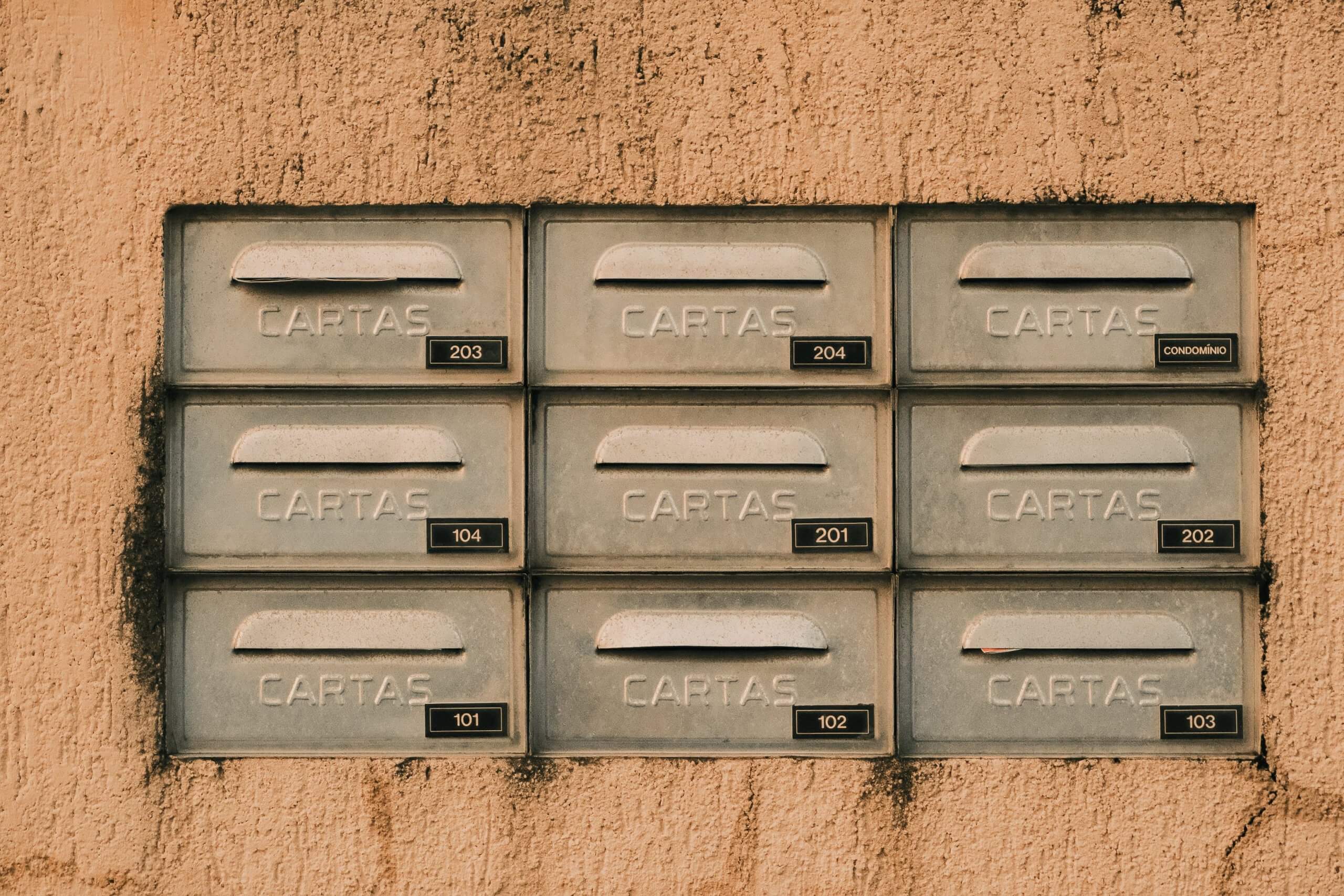
- The Modern Wall-Mount: If you live in a walkable neighborhood, a townhouse, or a home where the front door is right near the sidewalk, a wall-mounted box is incredibly convenient. It keeps your mail out of the rain and snow entirely, and offers a sleek, minimalist look.
- The Grand Column Mount: For larger estates or homes with prominent masonry work, integrating your mailbox into a custom stone or stucco pillar is the ultimate luxury upgrade. It adds immense curb appeal and provides a fortress-like level of protection.
The Golden Rule: Don’t Forget the Postmaster
You can buy the most beautiful, indestructible, architecturally perfect mailbox in the world, but if it doesn’t meet United States Postal Service (USPS) regulations, your carrier won’t use it.
Before you pour concrete or drill into your brick, double-check the federal guidelines. Generally, the bottom of the mailbox should be 41 to 45 inches from the road surface, and it should be set back 6 to 8 inches from the curb. When you invest in premium, outdoor residential mailboxes that are explicitly marked as USPS-approved, you can shop with total confidence, knowing the dimensions and incoming slots are already perfectly calibrated for your mail carrier.
The “Anti-Frustration” Features You Didn’t Know You Needed
Beyond surviving the weather, a great mailbox should make your daily life just a little bit easier. When shopping, keep an eye out for these highly practical, human-centric design features:
- The “Magazine Test” Capacity: Mail isn’t just thin envelopes anymore. We get thick catalogs, padded envelopes, and small cardboard boxes. Ensure the interior cavity is deep and wide enough to hold a few days’ worth of bulky mail without jamming the door shut.
- Silent-Close Doors: There is nothing worse than a mailbox door that slams shut with a loud, metallic CLANG every time you check the mail. Look for models with dampened hinges or magnetic catches that close softly and securely.
- Anti-Fish Baffles: Some thieves try to slide a long, hooked tool through the incoming mail slot to “fish” out envelopes that have just been dropped in. A thoughtfully designed secure mailbox will have an internal baffle or a curved chute that makes this physical maneuver impossible.
The Bottom Line: Invest in the Exclamation Point
Your home’s exterior is a reflection of your hard work and personal style. Don’t let a flimsy, fading, rusting piece of metal undermine the beautiful landscaping and architecture you’ve worked so hard to maintain.
By investing in a heavy-duty, thoughtfully designed mailbox, you are buying yourself a decade of hassle-free mornings. You won’t have to worry about rust stains dripping down the post, hinges snapping in the wind, or your mail getting soaked in a sudden downpour.
Take the time to choose a piece that is built to weather the storm, and give your driveway the beautiful, lasting exclamation point it deserves.
The Mailbox Makeover: A Realist’s Guide to Choosing Outdoor Residential Mailboxes That Actually Last


- AI Search KPIs: Measuring Visibility When Search Stops Sending ClicksWhen someone asks an AI assistant for a recommendation, they may get a complete answer without visiting a website. That makes familiar measures such as organic sessions an incomplete picture of search performance. The right AI Search KPIs help teams understand whether their expertise is... The post AI Search KPIs: Measuring Visibility When Search Stops […]