

 Why Warm Neutrals Are Returning to Modern Design
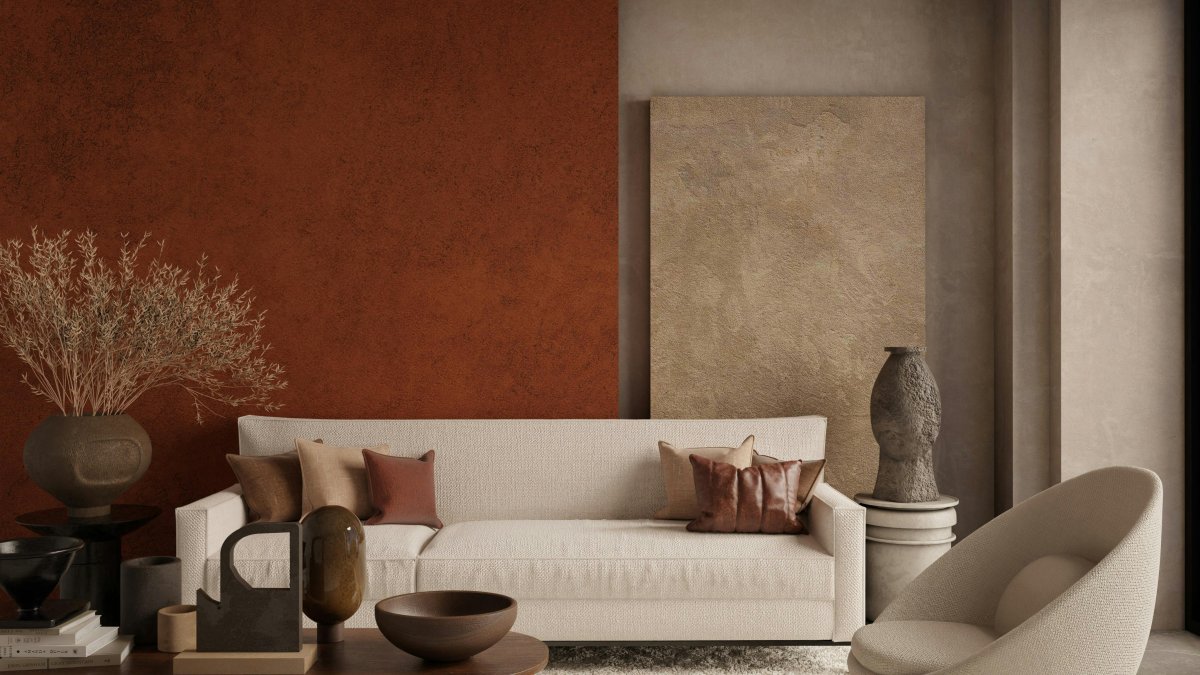
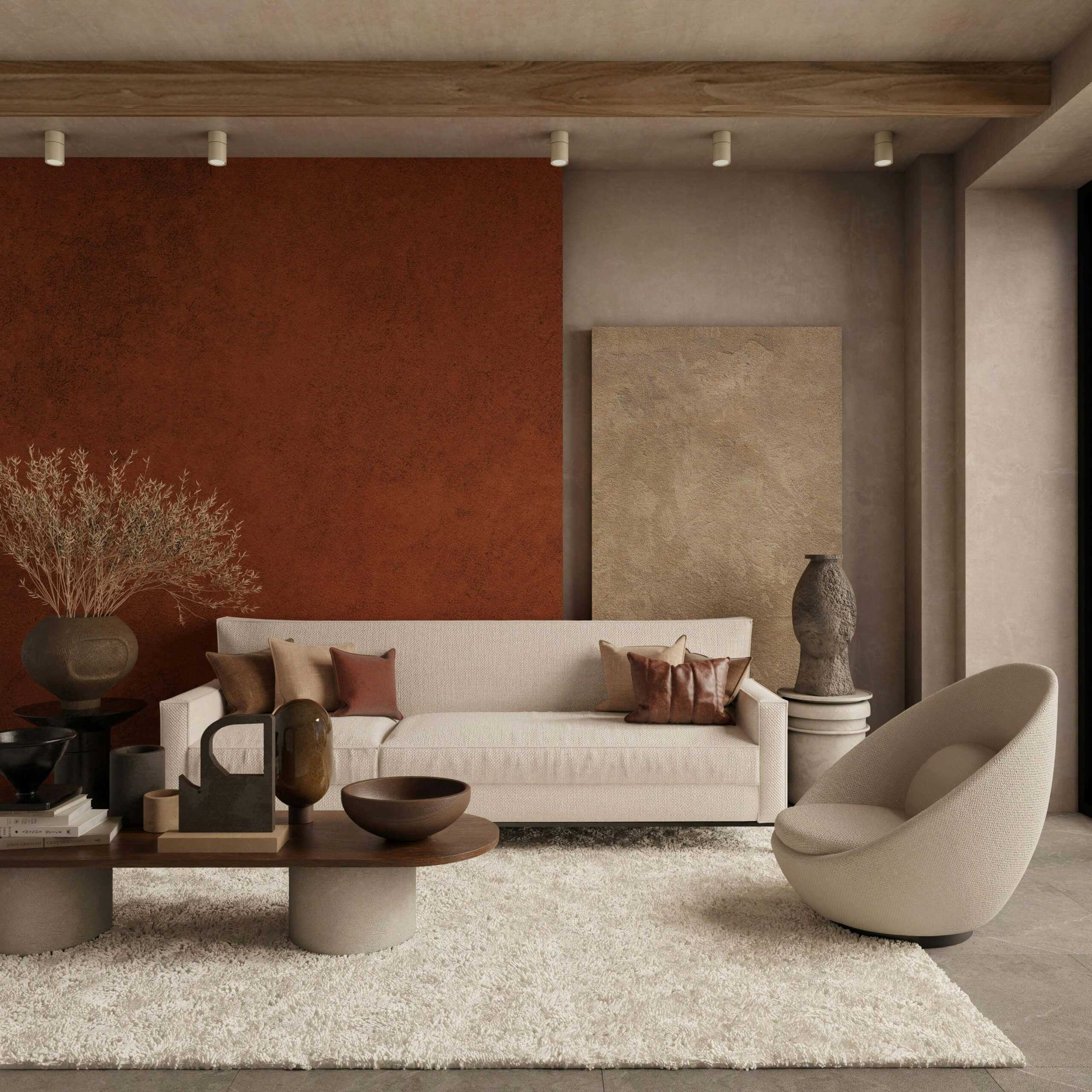
Why Warm Neutrals Are Returning to Modern DesignWarm neutrals have made a strong comeback in contemporary interiors as homeowners seek spaces that feel calm, grounded, and inviting. Unlike cooler tones that dominated previous design cycles, warm neutrals create a sense of comfort that aligns with today’s desire for relaxed living.
These shades work well in both small and large spaces, offering flexibility without overwhelming the room. Designers appreciate how warm neutrals pair effortlessly with a variety of materials, from wood to stone to woven textiles.
This versatility allows homeowners to refresh their spaces without committing to bold or trendy colors. As modern lifestyles shift toward simplicity and comfort, warm neutrals continue to rise in popularity.
The Appeal of Natural Textures in Modern Homes
Natural textures play a major role in creating interiors that feel balanced and connected to the environment. Materials such as wood, linen, clay, and rattan add depth and character to a room without relying on heavy ornamentation. These textures introduce subtle visual interest while maintaining a clean, modern aesthetic.
Homeowners appreciate how natural materials age gracefully, developing patina and personality over time. Designers often layer multiple textures to create warmth and dimension, especially in minimalist spaces.
This approach helps soften sharp architectural lines and brings a sense of organic harmony into the home. Natural textures also complement warm neutrals beautifully, creating cohesive and timeless interiors.
How Designers Combine Color and Texture
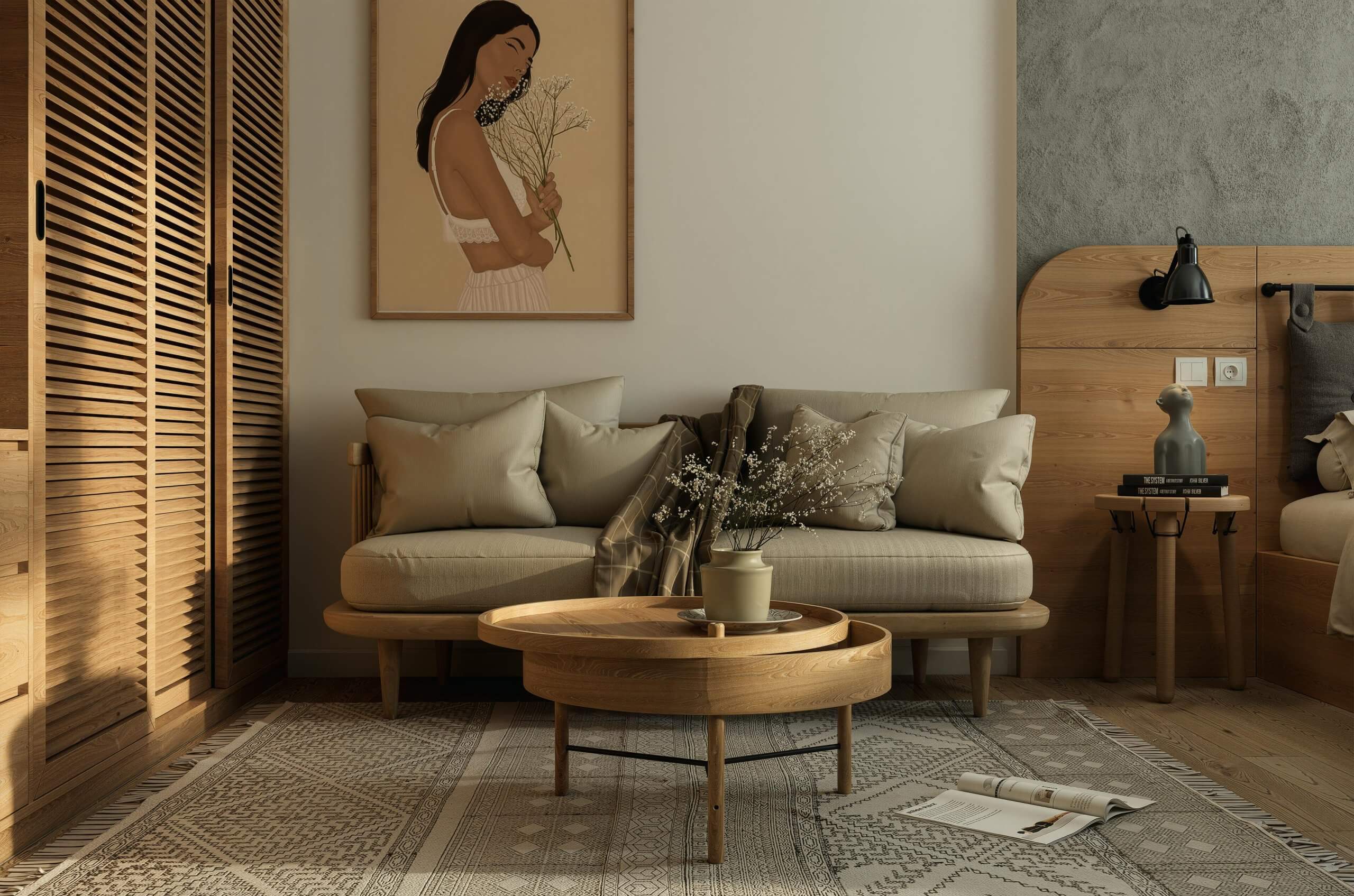 Combining warm neutrals with natural textures requires thoughtful planning to achieve a balanced look. Designers often start with a neutral foundation on walls or large furniture pieces, then introduce texture through accent materials. This layering technique prevents the space from feeling flat or monotonous.
Textured rugs, woven baskets, and wooden furniture add tactile richness that enhances the overall design. Subtle variations in tone and grain help create visual movement without overwhelming the room.
By mixing smooth and rough surfaces, designers achieve a dynamic yet calming atmosphere. This method allows homeowners to personalize their spaces while maintaining a cohesive modern style.
Creating Comfort Through Thoughtful Material Choices
Comfort is a central goal in modern interior design, and material selection plays a major role in achieving it. Soft textiles, warm wood tones, and natural fibers help create spaces that feel lived‑in and welcoming.
Designers often choose materials that are both durable and aesthetically pleasing, ensuring that the home remains functional for everyday use. Warm neutrals help soften the overall palette, making rooms feel more approachable. Natural textures add a sensory element that enhances comfort and encourages relaxation.
When combined thoughtfully, these elements create interiors that support both style and well‑being. This approach reflects a growing preference for homes that feel restorative and grounded.
The Influence of San Francisco Interior Designers
Many homeowners look to San Francisco interior designers for inspiration because of their ability to blend modern aesthetics with natural elements. These designers often incorporate warm neutrals and organic textures to create spaces that feel both sophisticated and approachable.
Their work reflects the region’s appreciation for nature, craftsmanship, and understated elegance. By prioritizing balance and harmony, they create interiors that feel timeless rather than trend‑driven.
Their design philosophy emphasizes sustainability, thoughtful material selection, and a strong connection to the surrounding environment. This influence has helped shape national trends and encouraged more homeowners to embrace warm, natural design elements.
Conclusion
Warm neutrals and natural textures have become essential components of modern interior design, offering comfort, versatility, and timeless appeal.
These elements work together to create spaces that feel grounded, inviting, and visually rich. Designers use them to balance simplicity with warmth, resulting in interiors that support both style and everyday living.
As homeowners continue to seek environments that promote relaxation and connection, warm neutrals and natural textures will remain central to contemporary design. With thoughtful planning, these elements can transform any space into a harmonious and welcoming home.


- How to Maximize Home Office Space in a Studio or One-Bedroom ApartmentAs more people continue working from home, renters are rethinking how they use every square foot of their apartments. A productive home office doesn’t require a dedicated room. With intentional design, even a studio apartment or one-bedroom layout can support focused work while still feeling... The post How to Maximize Home Office Space in a […]