
Home renovation projects often start with a simple idea, such as a new patio, an open-plan kitchen or a refreshed garden, and quickly reveal a need for tools most homeowners do not own.
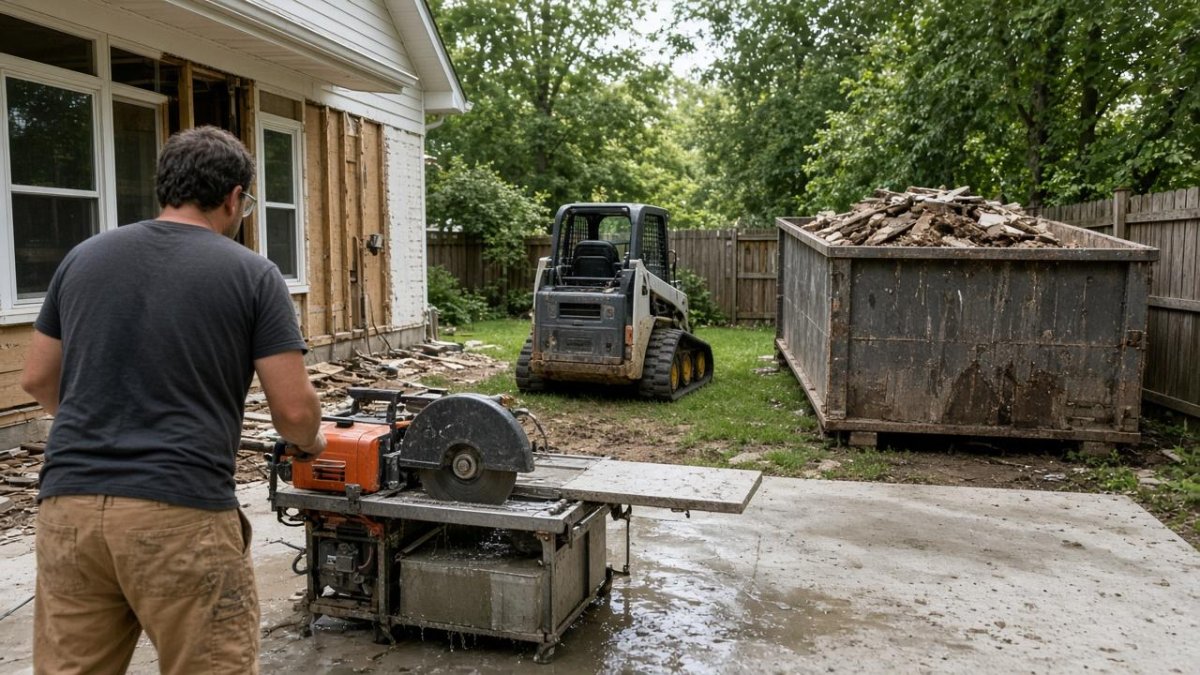
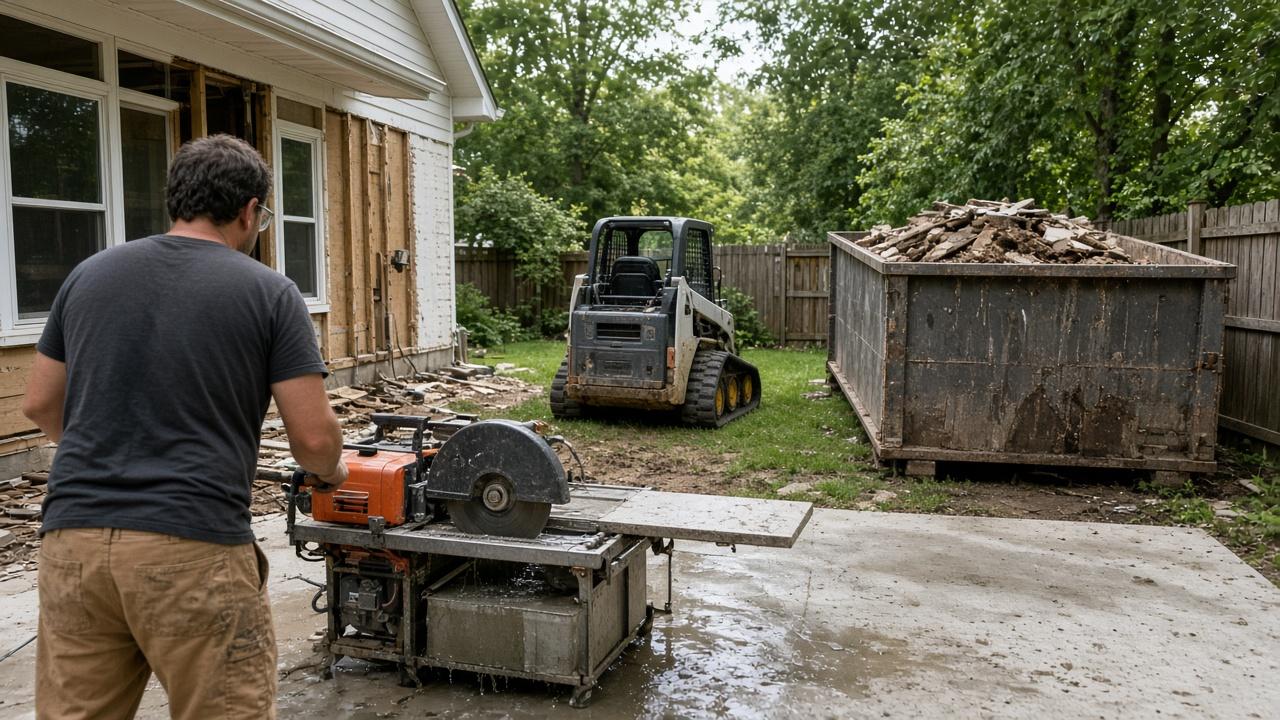
Mini excavators, concrete mixers, floor sanders, tile saws, skip bins, scaffolding and plate compactors can turn a weekend project from impossible to achievable.
Buying this equipment for a single renovation rarely makes sense. Renting gives you access to professional-grade machines for a fraction of the cost.
This guide explains which heavy-duty equipment homeowners commonly rent, how to plan your rental, and how to stay safe while using it.
Why Rent Instead of Buy?
Lower cost
A mini excavator can cost tens of thousands of dollars to buy but only a few hundred to rent for a weekend. Even smaller tools like floor sanders and tile saws are much cheaper to rent for occasional projects.
Professional-grade quality
Rental companies stock robust, commercial-grade equipment that performs better than many consumer models.
No storage or maintenance
Heavy-duty equipment takes up space and requires regular servicing. When you rent, you return it when you are done.
Access to the right tool for each job
Rather than making do with the wrong tool, you can rent exactly what each stage of your project needs.
Common Heavy-Duty Equipment for Home Projects
Mini excavators and diggers
Ideal for landscaping, digging foundations for extensions, trenching for drainage or utilities and removing tree stumps.
Skid steer loaders
Useful for moving soil, gravel and debris, levelling ground and clearing large areas.
Concrete mixers
Perfect for pouring patios, footings, fence posts and garden walls.
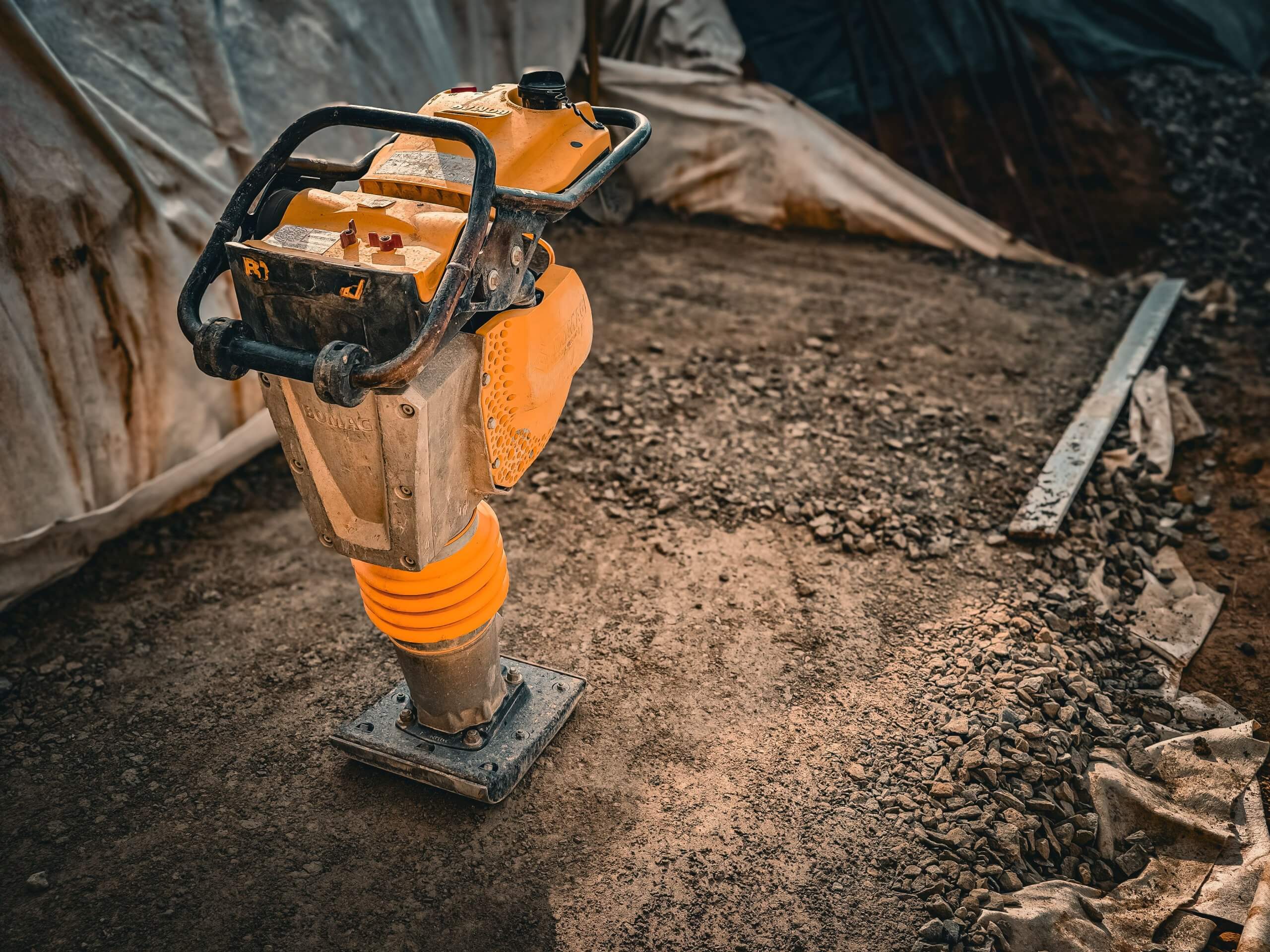
Plate compactors
Essential for preparing a solid base for patios, driveways and paths.
Floor sanders and edgers
Restore hardwood floors to a like-new finish.
Tile saws and wet saws
Cut ceramic, porcelain and stone tiles cleanly for bathrooms and kitchens.
Scaffolding and access towers
Safely reach high walls, roofs and ceilings for painting, repairs and installations.
Dumpsters and skip bins
Manage renovation waste efficiently and legally.
Demolition hammers and breakers
Remove old tiles, concrete and masonry quickly.
Planning Your Renovation Rentals
Good planning saves money and stress. Before you renovate, it helps to work through the key questions in this guide to things to consider when renovating your house, such as budget, timeline and permits. Then plan your equipment:
- Break the project into stages. Demolition, groundwork, structural work, finishing and clean-up each need different tools.
- List the equipment for each stage. Note sizes, attachments and accessories.
- Check access. Measure gates, doorways and driveways to make sure equipment can reach the work area.
- Book in sequence. Rent equipment only for the days you need it, and line up rentals so one stage flows into the next.
- Confirm delivery and collection. Many rental companies deliver heavy equipment, but times and fees vary.
Safety First
Heavy-duty equipment can be dangerous if used incorrectly. Before using rented equipment:
- Ask for a demonstration. Most rental companies will show you how to operate the machine safely.
- Read the manual. Pay attention to safety warnings and operating limits.
- Wear protective equipment. Gloves, eye protection, hearing protection, safety boots and dust masks are essential for many tasks.
- Check for underground utilities. Before digging, contact your local utility locating service.
- Keep children and pets away. Set up a clear work zone.
The US Occupational Safety and Health Administration provides helpful guidance on hand and power tool safety, including inspecting tools before use, using guards and choosing the right personal protective equipment. While written for workplaces, the principles apply equally at home.
Understanding Rental Costs
Rental prices typically depend on:
- Duration: Hourly, daily, weekend, weekly or monthly rates.
- Size and type of equipment: Larger machines cost more.
- Delivery and collection fees: Especially for heavy machinery.
- Attachments and consumables: Buckets, blades, sanding discs and fuel.
- Insurance and damage waivers: Optional or mandatory, depending on the company.
- Deposits: Often refundable on return in good condition.
Ask for a full quote before booking and compare a few providers.
How Rental Companies Make It Easier
Many rental businesses now offer online booking, live availability and digital agreements, making it simple for homeowners to reserve equipment for specific dates.
Behind the scenes, they use cloud-based equipment rental software to manage inventory, maintenance and delivery schedules. This means fewer double bookings, better-maintained equipment and clearer communication with customers.
DIY or Hire a Professional?
Some tasks are well suited to DIY with rented equipment, such as sanding floors, compacting a patio base or cutting tiles. Others, such as large-scale excavation, structural demolition or work near utilities, may be better left to licensed professionals.
Be honest about your skills and the risks involved. In some cases, hiring an operator along with the equipment is the best of both worlds.
Tips for Getting the Most From Your Rental
- Prepare the site before the equipment arrives so no rental time is wasted.
- Have helpers ready for heavy lifting and loading.
- Return equipment clean to avoid cleaning fees.
- Report problems immediately so the rental company can replace faulty equipment.
- Keep receipts and agreements in case of disputes.
Check Local Rules and Permits
Some renovation work requires permits, especially structural changes, extensions, major excavation or work affecting drainage. Skip bins placed on public roads may also need council approval.
Check local regulations before you book equipment so your project is not delayed halfway through, and keep copies of any permits on site.
Environmental Benefits
Renting equipment also supports a more sustainable approach to home improvement. Shared machines are used more efficiently, maintained professionally and kept in service longer. Fewer homeowners buying single-use tools means less waste and fewer resources consumed.
Final Thoughts
Renting heavy-duty equipment can transform your home renovation, making ambitious projects affordable and achievable.
With careful planning, a focus on safety and the right rental partner, you can tackle everything from landscaping to flooring with professional results. Before you buy that expensive machine for a single project, check what you can rent instead.
Renting Heavy-Duty Equipment for Home Renovation: A Practical Guide


- How to Choose a Garage Door Colour That Suits Your Home’s ExteriorYour garage door is probably the biggest single surface on the front of your house. On many homes it takes up a third of the elevation — more than the front door, more than any window. Yet it is the colour most homeowners choose last,... The post How to Choose a Garage Door Colour That […]