
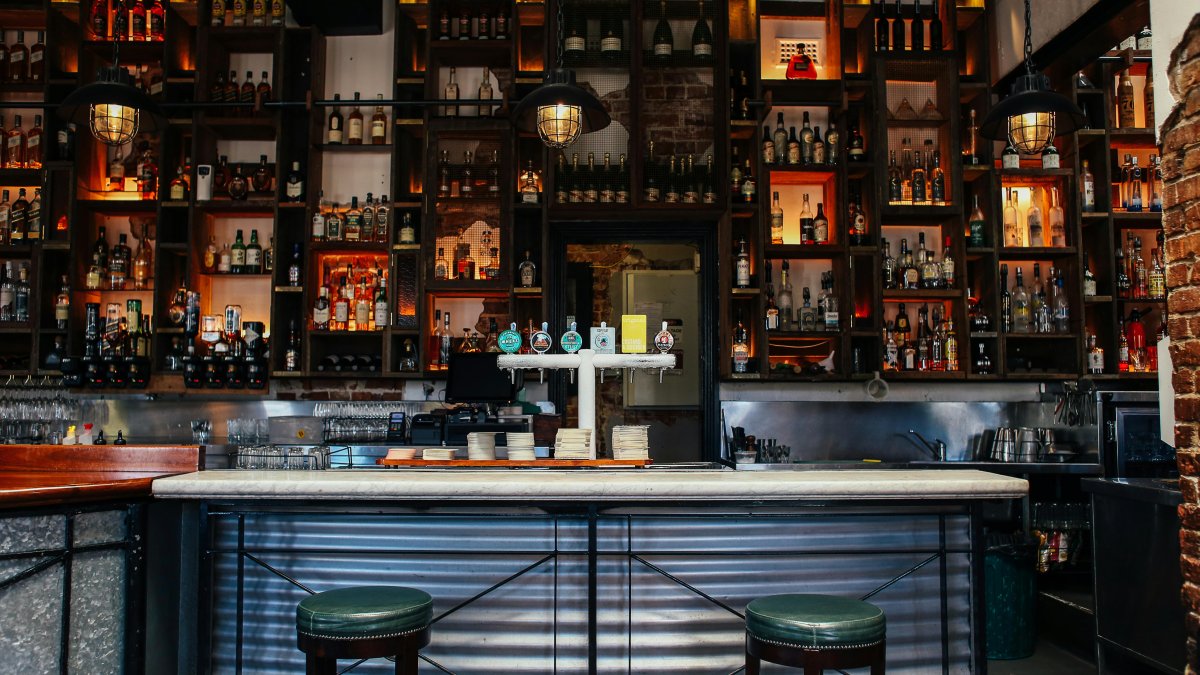

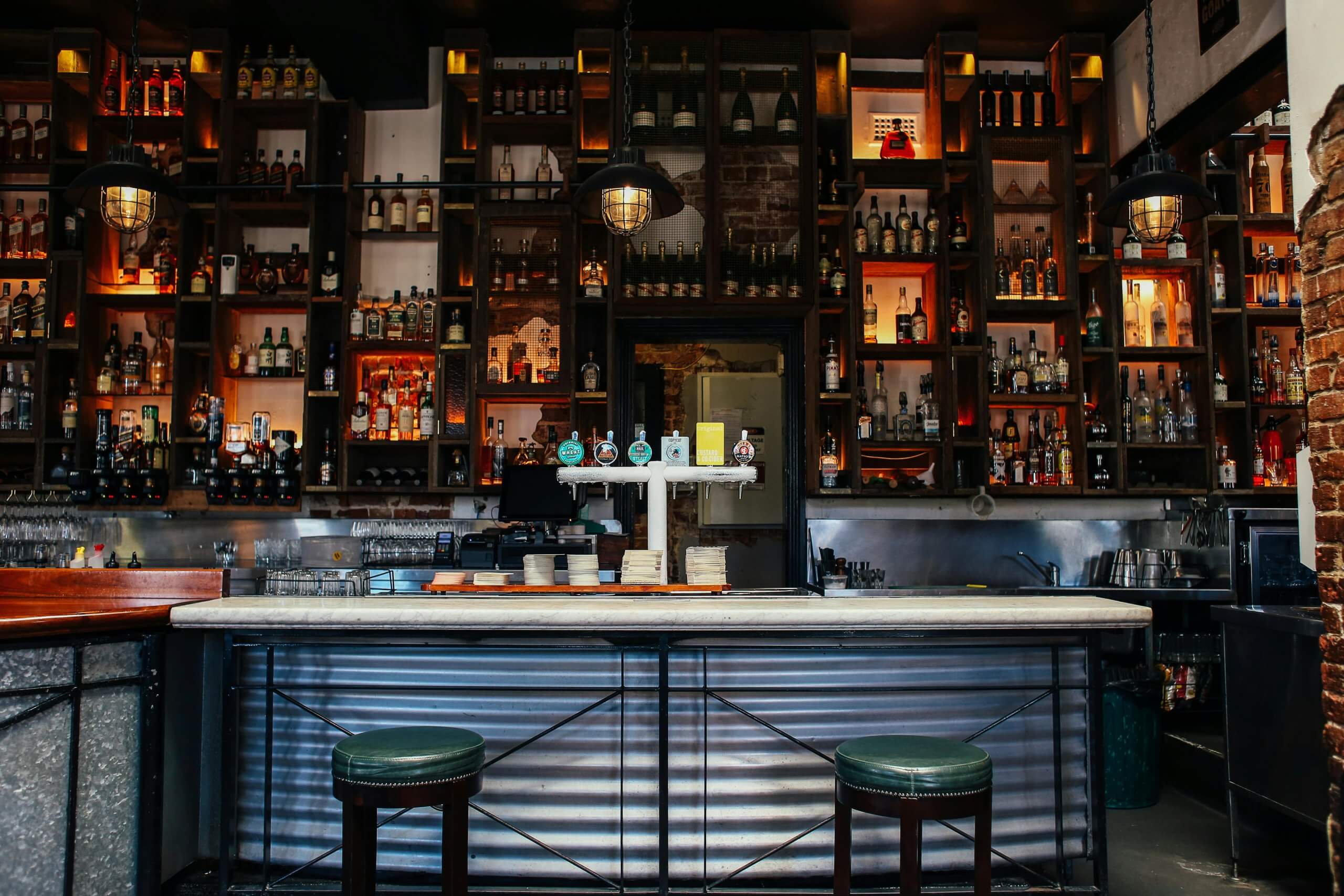
Why Metal and Wood Are Popular Materials for Industrial Bar Stools
Metal and wood have become defining elements of industrial bar stools because they balance strength, appearance, and practicality. Metal frames provide the structural support needed for commercial environments, while wood seats add warmth and visual contrast.
This combination works well in restaurants and bars that want a rugged look without sacrificing comfort. Metal resists bending and cracking under frequent use, making it ideal for high-traffic areas. Wood, on the other hand, offers a natural texture that softens the overall design and appeals to a wide range of interior styles. Together, these materials create seating that feels both sturdy and inviting.
The contrast between cool metal and warm wood also aligns with modern and rustic design trends. For operators seeking durable yet visually appealing seating, industrial bar stools made from metal and wood offer a reliable solution.
Metal Frame Construction in Industrial Bar Stools
The metal frame is the foundation of industrial bar stools, determining how well they perform under daily use. Steel is commonly used due to its strength and resistance to deformation, making it suitable for busy commercial settings. Welded joints play a critical role, as strong welds prevent loosening and wobbling over time.
Many designs incorporate reinforced legs and crossbars to evenly distribute weight and improve stability. Footrests are often integrated into the frame, adding both comfort and structural support. Protective coatings, such as powder coating, help guard against rust, scratches, and moisture exposure.
A well-constructed metal frame ensures that stools remain steady even with constant movement. When frame quality is prioritized, industrial bar stools can handle long service hours without compromising safety or performance.
Wood Seat Options Used in Industrial Bar Stools
Wood seats add character and comfort to industrial bar stools, making them a popular choice in restaurants and bars. Solid wood options, such as oak or beech, are valued for their durability and natural grain patterns. Engineered wood and laminated options are also common, offering consistency and resistance to warping.
Many seats are sealed with protective finishes to prevent stains and moisture damage from spills. The thickness of the wood seat contributes to its longevity, as thinner seats may crack under heavy use. Some designs feature contoured or slightly curved seats to improve comfort without adding cushions.
Wood seats also provide flexibility in finish choices, allowing operators to match their décor. With proper construction and sealing, wood seats enhance both the function and appearance of industrial bar stools.
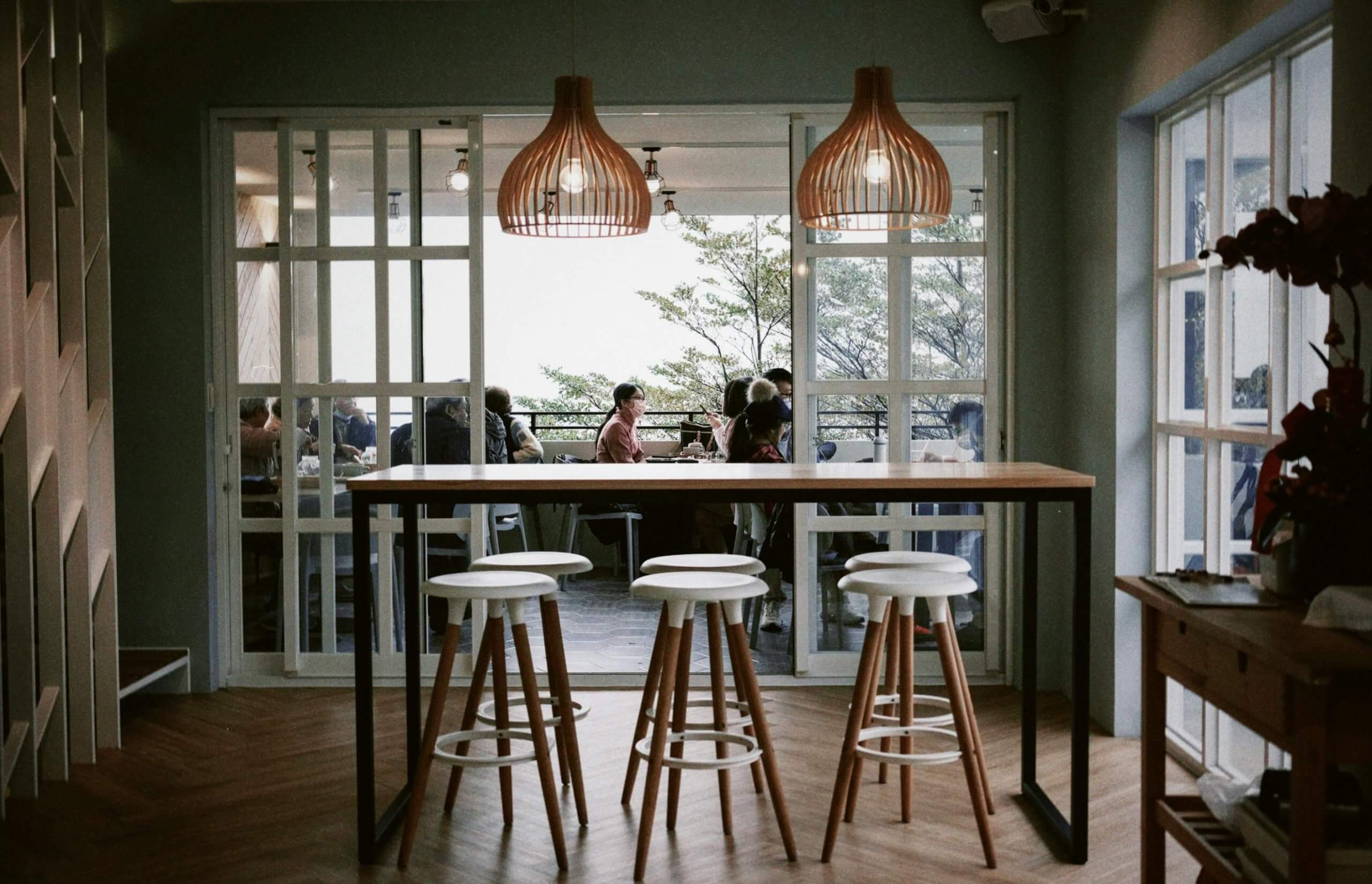
Comfort and Support Features of Industrial Bar Stools
Comfort is an important consideration, even in minimalist seating designs. Industrial bar stools often incorporate subtle features that improve the guest experience without compromising durability. Footrests reduce leg strain and help guests maintain proper posture, especially during longer visits.
Slightly contoured wood seats provide better weight distribution than flat surfaces. Some designs include low-profile backs or supportive rails for added comfort while maintaining a clean look. Seat height also plays a role, as proper alignment with bar or counter surfaces prevents awkward positioning.
While cushioning is minimal in many industrial styles, thoughtful seat shaping can still offer adequate comfort. By balancing form and function, industrial bar stools provide supportive seating that encourages guests to relax without detracting from the industrial aesthetic.
Design Versatility of Industrial Bar Stools with Mixed Materials
One of the main advantages of metal and wood seating is design versatility. Industrial bar stools with mixed materials fit seamlessly into a wide range of spaces, from modern bars to rustic cafés. The metal frame provides a neutral base, while wood finishes can be customized to match different color palettes.
Distressed metal pairs well with reclaimed wood for a vintage look, while smooth finishes suit contemporary interiors. These stools can also complement other furniture styles, making them suitable for mixed seating layouts.
Their adaptable design allows operators to maintain a cohesive look across dining and bar areas. Because they balance ruggedness with warmth, industrial bar stools appeal to both casual and upscale environments. This versatility makes them a practical choice for evolving restaurant concepts.
Maintenance Tips for Metal and Wood Industrial Bar Stools
Proper maintenance helps extend the lifespan of industrial bar stools and keeps them looking professional. Metal frames should be wiped regularly to remove dust, spills, and grease that can damage finishes over time. Inspecting welds and fasteners periodically helps identify issues before they become serious.
Wood seats benefit from routine cleaning with non-abrasive products to preserve their finish. Spills should be addressed promptly to prevent staining or moisture absorption. In outdoor or humid environments, additional care may be needed to protect both metal and wood surfaces.
Using floor protectors on stool legs can reduce wear and prevent damage to flooring. With simple, consistent care, industrial bar stools can remain functional and visually appealing through years of daily use.
Conclusion
Industrial bar stools with metal frames and wood seats offer a balanced combination of strength, comfort, and design flexibility. The metal frame provides reliable support for busy commercial environments, while wood seats add warmth and character that enhance the overall space.
Together, these materials create seating that performs well under daily use without appearing overly utilitarian. Thoughtful construction, proper finishes, and simple maintenance practices contribute to long-term performance and value.
These stools adapt easily to different interior styles, making them suitable for a wide range of restaurants and bars. When chosen carefully, industrial bar stools support efficient operations and positive guest experiences. Their durability and visual appeal make them a smart investment for businesses seeking seating that meets both functional and aesthetic goals.


- How to Maximize Home Office Space in a Studio or One-Bedroom ApartmentAs more people continue working from home, renters are rethinking how they use every square foot of their apartments. A productive home office doesn’t require a dedicated room. With intentional design, even a studio apartment or one-bedroom layout can support focused work while still feeling... The post How to Maximize Home Office Space in a […]