
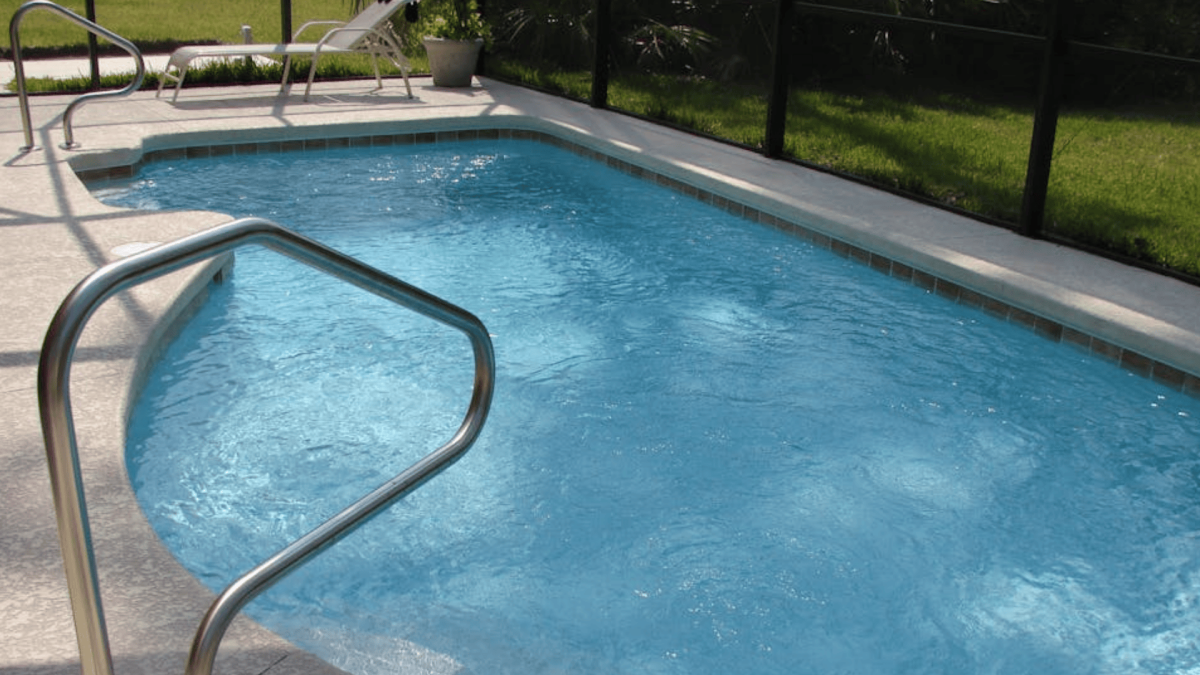

When it comes to pool maintenance, testing your pool water regularly is one of the most important tasks you can do to keep your pool clean, safe, and enjoyable.
Proper water testing helps prevent algae growth, equipment damage, and skin or eye irritation—all while saving you money on chemicals and repairs in the long run. But how often should you actually test your pool water?
The Short Answer: At Least Once a Week
For most residential pools, water should be tested at least once per week. Weekly testing allows you to monitor key chemical levels like chlorine (or other sanitizers), pH, alkalinity, and calcium hardness. These factors work together to keep your pool water balanced and safe for swimmers.
Even if your pool looks clear, chemical imbalances can develop silently. Regular testing ensures small issues are corrected before they become costly problems, which is a cornerstone of effective pool maintenance.
Test More Often During Heavy Use or Hot Weather
In certain situations, weekly testing isn’t enough. You should test your pool water 2–3 times per week if:
- Your pool gets heavy use from swimmers
- Temperatures are consistently high
- There has been a heavy rainstorm
- You recently shocked the pool
- You’re dealing with recurring algae or cloudy water
Heat, rain, and swimmer load all affect water chemistry. Chlorine breaks down faster in hot weather, and rain can dilute or throw off your chemical balance. Increased testing during these times helps maintain stable water conditions.
What About Daily Testing?
Daily testing is typically recommended for commercial or public pools, but some homeowners—especially those new to pool ownership—may choose to test more frequently while learning how their pool behaves.
Saltwater pools, pools with automated chemical feeders, or pools using smart monitoring systems may not require daily manual testing, but they should still be checked regularly for accuracy.
What Should You Test For?
A complete pool maintenance routine includes testing:
- Free chlorine or sanitizer levels
- pH
- Total alkalinity
- Calcium hardness
- Cyanuric acid (stabilizer)
Test strips are convenient for quick checks, but liquid test kits or digital testers offer greater accuracy, especially when troubleshooting water issues.
Consistency Is the Key to Good Pool Maintenance
The most important factor isn’t just how often you test—it’s consistency. Testing on a regular schedule allows you to understand patterns in your pool’s chemistry and make adjustments before problems escalate.
If testing feels overwhelming or time-consuming, many pool owners choose professional pool maintenance services to ensure their water stays balanced year-round.
Final Thoughts
Testing your pool water regularly is one of the simplest and most effective ways to protect your investment and enjoy crystal-clear water. As a general rule, test weekly, increase frequency during high-impact conditions, and stay consistent. Good pool maintenance starts with knowing what’s happening beneath the surface.


- How to Modernize a Classic Seattle Craftsman Home Without Losing Its SoulSeattle is famous for its Craftsman homes. You see them all over neighborhoods like Wallingford, Queen Anne, and Ballard. They have distinct low pitched roofs, wide porches, and beautiful woodwork inside. People love them because they feel like they have a history. But living in... The post How to Modernize a Classic Seattle Craftsman Home […]