
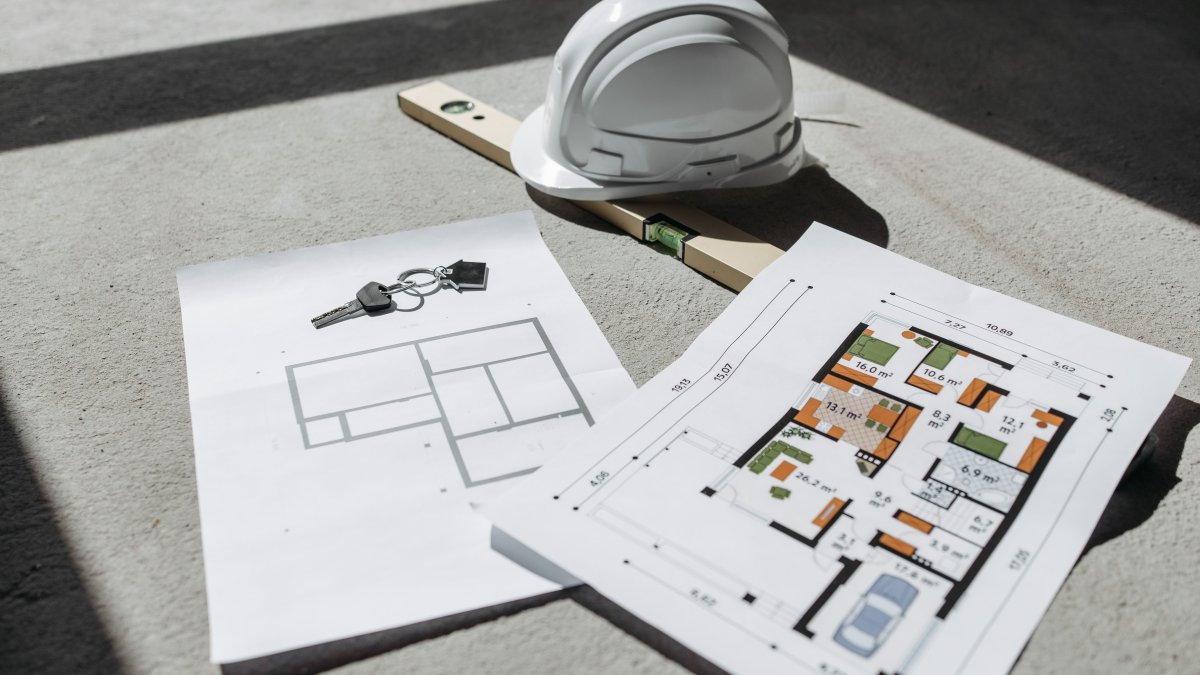

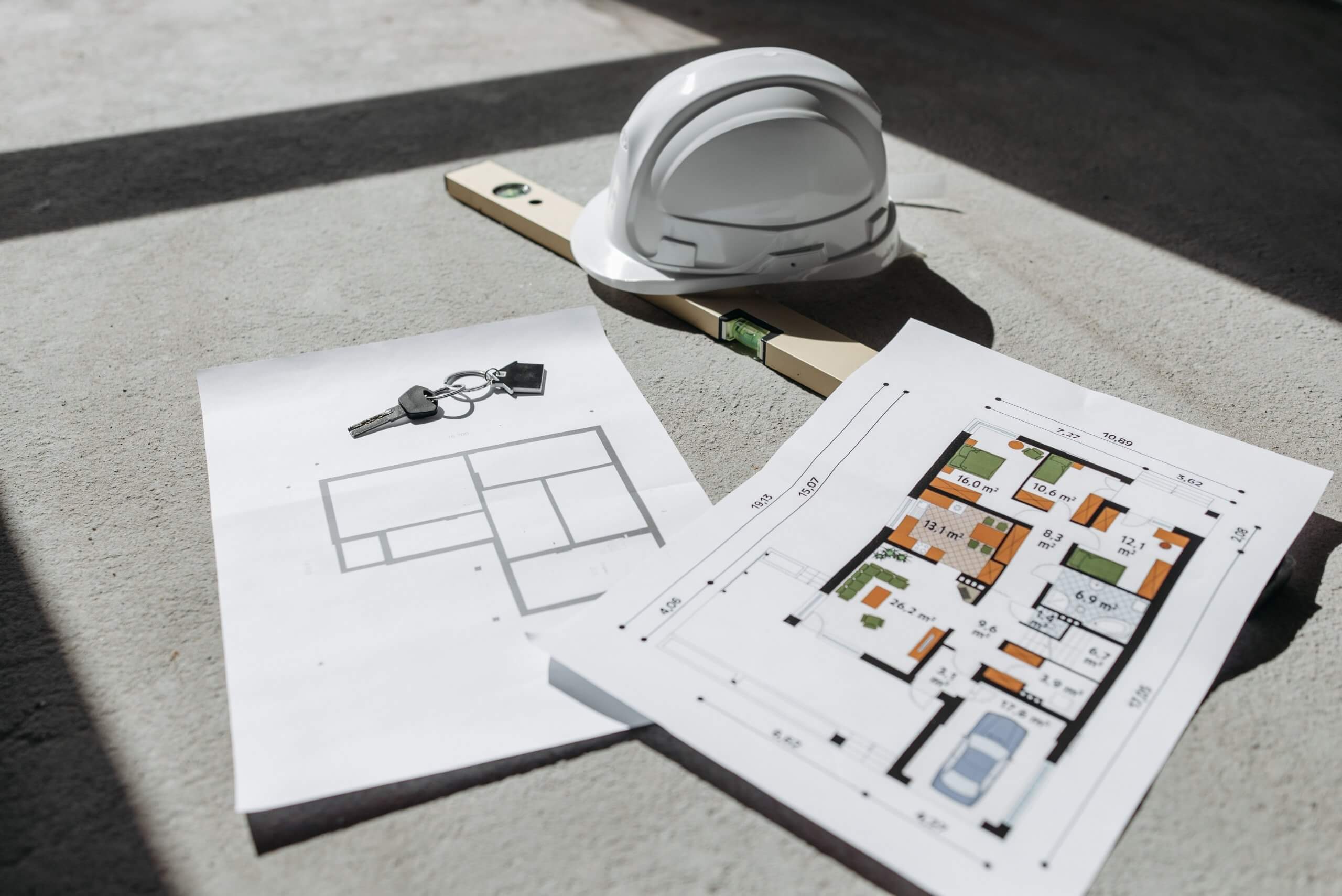
Residential construction comes close to commercial development in the number of regulatory requirements with which it has to resist.
In the world of building a business, a developer or investor planning a commercial project, whether it be a new retail development, a restaurant, a medical office or a multi-tenant industrial development, the site plan and construction layout drawings are some of the most closely looked at documents in the entire permit application package.
These documents need to include specific information, and it helps to have the right Construction Site Layout Drawing Services in USA to create them, to see projects move past the permitting stage and into a project that won’t stall in months of correction cycles.
The Commercial Site Plan: More Than a Property Sketch
A permit-ready commercial site plan is the exact development program on a parcel presented in a scaled graphic format that is precise and code compliant. At least it has the outline of the building, all dimensions, and how it relates to all property lines and setbacks.
It presents the entire parking plan layout which includes parking spaces (standard and accessible), drive aisles (with labeled width), and a calculation to ensure that the number provided parking spaces is within the jurisdiction’s ratio for the proposed use.
It depicts the vehicle circulation routes, turning radiuses at entry and exit points that identify through emergency vehicle access.
Commercial site plans for permits in USA also document landscaping areas, both as planted-area square footage and as a percentage of total site area because most commercial zoning ordinances impose minimum landscaping ratios.
They show utility connections: water service, sanitary sewer lateral, storm drainage, gas, and electrical point of connection.
They document existing and proposed grades sufficient to establish drainage patterns and demonstrate that the project does not create adverse drainage impacts to adjacent properties or public rights-of-way.
Construction Site Layout Drawings: The Operational Layer
Where the site plan answers the regulatory question Does this project comply with land use and development standards? the construction site layout drawing answers the operational question: How do we actually build this?
Construction Site Layout Drawing Services in USA produce documents that translate the approved design into buildable field instructions. These drawings show the precise horizontal location of all improvements referenced to established survey benchmarks or property corner monuments.
They show cut and fill volumes, grading sequences, and erosion control measures required during construction. They show temporary facilities: construction trailers, material staging areas, equipment access routes, and perimeter fencing.
The construction layout drawing also includes the sequence of construction for larger commercial projects, as well as the areas that are graded first, the utility trenching layout relative to building pad preparation and the transition of the project from a construction site to an operational facility.
This sequencing information is vital for general contractors who have to coordinate several subcontractors at once and for owners who have to coordinate tenant move-in schedules with construction milestones.
Regulatory Layers That Affect Commercial Site Plans
Commercial projects in the United States face regulatory review from multiple agencies, often simultaneously. At the local level, the planning department reviews the site plan for consistency with the general plan and zoning ordinance use classification, floor area ratio, building height, setbacks, parking, landscaping.
The building department reviews for code compliance. The public works or engineering department reviews drainage and grading. The fire department reviews access, turning radii, fire hydrant locations, and fire lane striping.
Many commercial projects also face state-level review. Projects within one-half mile of a transit corridor may trigger transit-oriented development overlay requirements.
Projects above a certain threshold of impervious surface area trigger stormwater management regulations under the Clean Water Act’s National Pollutant Discharge Elimination System (NPDES) permit program.
Projects on sites with known environmental conditions trigger Phase I and potentially Phase II environmental review. Projects near wetlands or waterways trigger Army Corps of Engineers jurisdiction analysis.
A drafting firm providing Commercial Site Plans for Permits in USA that operates without awareness of these overlapping regulatory layers will produce drawings that clear local review but fail at the state or federal level or that clear all regulatory review but create construction problems because the drawings do not reflect actual site conditions.
The best firms integrate regulatory research into their drafting workflow from the first day of a project, not as an afterthought after the drawings are already half-complete.
What Separates Qualified Commercial Drafting Firms
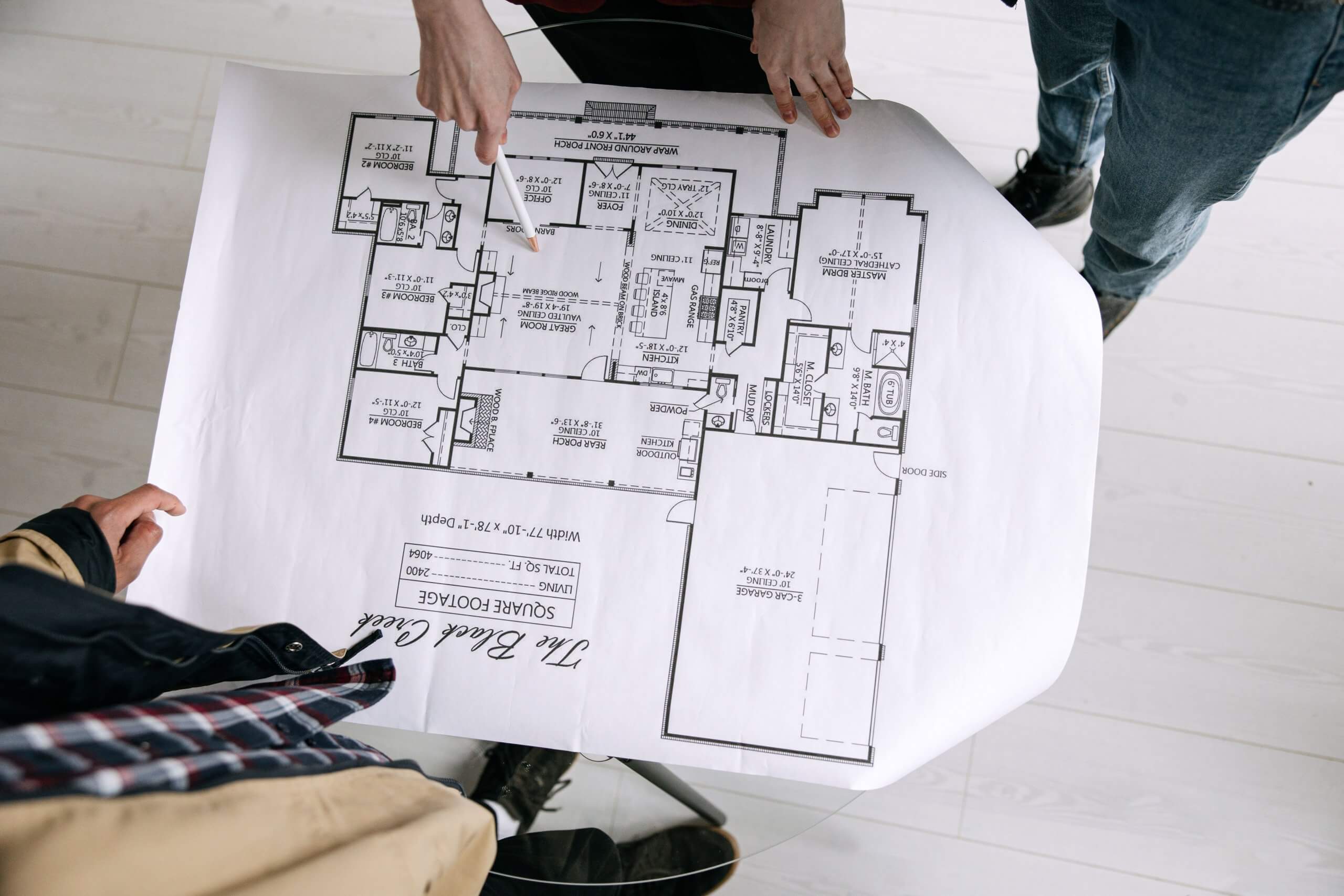
Commercial site plan drafting is a specialized discipline. Not every firm that produces residential site plans has the capacity, knowledge, or quality systems to handle commercial permit submissions.
When evaluating Construction Site Layout Drawing Services in USA for a commercial project, assess the following dimensions carefully.
First, examine their commercial portfolio specifically. Ask for examples of approved commercial permit sets not residential, not conceptual renderings, but actual approved permit drawings for commercial projects comparable in size and use to yours.
A firm that has produced ten approved commercial permit sets in your specific county understands that county’s plan check process in a way that cannot be replicated from a code book.
Secondly, ask them about how they coordinate with engineers and other consultants. Commercial projects always have a civil engineer to design the grading and drainage, a geotechnical engineer to check the bearing capacity of the soil, a structural engineer to design the foundation and framing, and MEP engineers to design the mechanical, electrical and plumbing systems.
The site plan drafter should work with all these consultants to ensure consistency with the drawings. The old method of drafting without the cooperation of the engineering team results in drawings which have to be continually revised as engineering decisions are made.
The Cost of Inadequate Commercial Site Plan Documentation
Developers who underinvest in site plan and construction layout documentation consistently report the same types of problems. Permit corrections that delay construction start dates by months.
Contractor requests for information that clog communication channels and slow field progress. Change orders driven by conditions that were foreseeable from the site plan but not documented.
Inspections that fail because as-built conditions do not match approved drawings. Tenant occupancy delays that trigger lease abatement provisions or tenant termination rights.
Quantifying these costs against the fee for qualified drafting services consistently shows that cutting corners on documentation is false economy.
A commercial site plan correction cycle in a major California jurisdiction can add six to twelve weeks to a permit timeline.
At typical commercial construction loan rates, six weeks of additional carry cost on a five-million-dollar construction loan exceeds the cost of the entire drafting fee.
The math is not subtle. The best commercial developers understand that documentation quality is a direct input to project returns and they engage qualified, experienced drafting firms accordingly.
Commercial Site Plans for Permits in the USA: What Developers Need to Know About Construction Site Layout Drawing Services


- How Often to Clean a Robot Vacuum Brush Filter and BinMost manufacturer guides suggest cleaning the roller brush every week or two. That estimate is built for a household without pets. One medium-shedding dog can move as much hair through a robot vacuum for pets in a single day as a pet-free home produces in... The post How Often to Clean a Robot Vacuum Brush […]