

Basements have long been the hidden gem of many homes, whether used for storage, extra living space, or even as a hobby area. However, they are also the most vulnerable to water damage. A damp or flooded basement not only causes structural issues but also reduces a property’s value and creates unhealthy living conditions. This is why basement waterproofing has become a critical part of modern homeownership. One of the most effective tools in this process is the sump pump.
Why Basement Waterproofing Matters
Water can enter a basement in several ways: through cracks in the foundation, high groundwater levels, or heavy rainfall that overwhelms drainage systems. Left unchecked, moisture can lead to mold growth, damaged flooring, and even foundation instability.
Basement waterproofing isn’t just about keeping your lower level dry; it’s about protecting your entire home’s structure and livability. Effective waterproofing solutions not only safeguard belongings but also make basements usable year-round, transforming them from problem areas into valuable living spaces.
Understanding Sump Pumps
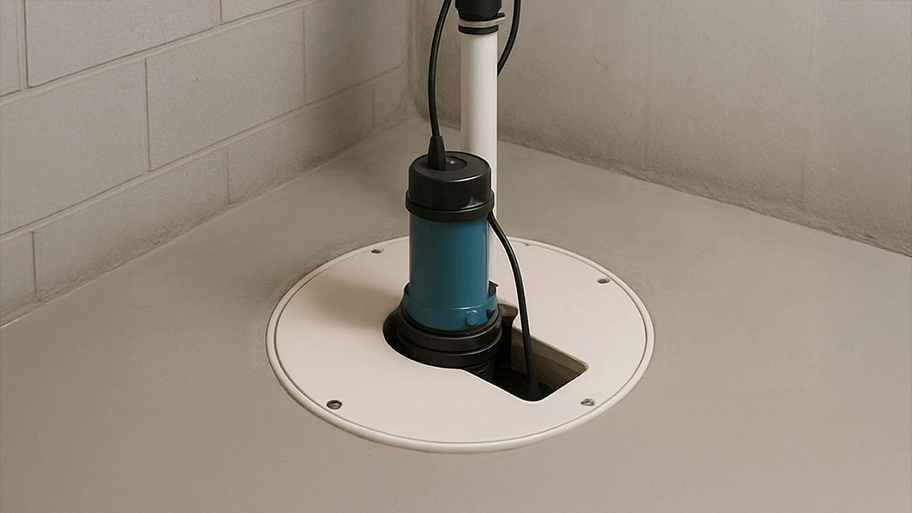
At the heart of many basement waterproofing solutions is the sump pump. Installed in a sump pit, typically at the lowest part of the basement, the pump collects and expels excess water away from the foundation. By preventing water buildup, it ensures the basement stays dry even during periods of heavy rainfall or snowmelt.
How Sump Pumps Work
- Water Collection – Water naturally flows to the lowest point of the basement and gathers in the sump pit.
- Activation – When water levels rise, a float switch activates the pump.
- Water Expulsion – The pump directs water away from the foundation through a discharge pipe.
- Continuous Protection – As long as the sump pump functions correctly, the risk of flooding is significantly reduced.
Types of Sump Pumps
Homeowners can choose between two main types of sump pumps, depending on their needs and basement conditions:
- Submersible Sump Pumps – Installed inside the sump pit and designed to handle larger volumes of water. They are powerful, quiet, and ideal for homes prone to heavy flooding.
- Pedestal Sump Pumps – Positioned above the sump pit with the motor exposed. While easier to maintain, they are slightly noisier and better suited for smaller spaces with lighter water issues.
Benefits of Sump Pumps
Adding a sump pump as part of a waterproofing system comes with several advantages:
- Flood Prevention – Minimizes the risk of basement flooding even during severe storms.
- Mold and Mildew Control – Keeps humidity levels low, reducing the chances of mold growth.
- Property Protection – Safeguards furniture, flooring, and stored items from water damage.
- Foundation Preservation – Prevents water from weakening the structural base of your home.
- Peace of Mind – Offers reassurance that your basement and foundation are protected against unexpected water surges.
Maintenance Tips for Long-Term Reliability
Like any home system, sump pumps require regular maintenance to remain effective:
- Test Regularly – Pour water into the pit to make sure the pump activates.
- Check the Power Supply – Ensure the unit is plugged into a reliable outlet or backed up by a battery system.
- Inspect the Discharge Line – Keep it clear of debris and ice during the winter months.
- Schedule Professional Inspections – Annual servicing can catch early issues before they become costly repairs.
Common Sump Pump Problems and Fixes
Even a well-installed pump can encounter issues over time. Here are a few common problems homeowners face:
- Clogged Pumps or Pits – Dirt, gravel, or debris can block the system. Fix: Clean the pit and filter regularly.
- Switch Malfunctions – The float switch may get stuck, preventing activation. Fix: Test and replace faulty switches.
- Power Failures – Outages render pumps useless without backup. Fix: Install a battery backup or generator connection.
- Overwhelmed Pumps – Some pumps can’t handle extreme water volumes. Fix: Upgrade to a higher-capacity or secondary pump.
By staying proactive, you can resolve these issues quickly and cost-effectively, ensuring uninterrupted protection.
When to Consider a Backup System
Even the most reliable sump pumps can fail due to power outages or mechanical issues. Backup systems, such as battery-powered pumps or water-powered backups, provide added peace of mind. These systems automatically activate when the primary pump fails, ensuring continued protection.
Cost vs. Value: Is a Sump Pump Worth It?
The cost of a sump pump installation varies depending on the type, features, and home size. On average, homeowners may spend anywhere between $1,000 and $3,000 for installation, including labor. While this may seem like a considerable investment, the potential savings outweigh the initial cost:
- Water Damage Repairs – Flood cleanup and repairs can cost $5,000–$10,000 or more.
- Mold Remediation – Removing mold from a damp basement can cost thousands.
- Home Value Protection – A dry, usable basement increases resale appeal and value.
In this light, a sump pump is a cost-effective safeguard that protects your property for years to come.
Integrating Sump Pumps into Modern Homes
Today’s homeowners are increasingly seeing basements as valuable extensions of their living space. Whether finishing a basement into a home office, gym, or entertainment room, keeping it dry is a priority. Sump pumps, combined with drainage systems, dehumidifiers, and proper insulation, create a comprehensive approach to waterproofing.
Environmental Considerations
Sump pumps not only protect homes but also contribute to eco-friendly living. By reducing excess moisture, they lower the risk of mold, which helps maintain healthier indoor air quality. Additionally, when paired with efficient drainage systems, they prevent excess groundwater from seeping into municipal storm drains, reducing pressure on local infrastructure.
Final Thoughts
Basement waterproofing is no longer a luxury; it’s a necessity for maintaining a safe and functional home. Among the various strategies available, sump pumps stand out as a proven defense against water damage. By integrating this technology into a broader waterproofing plan, homeowners can protect their investments, enjoy peace of mind, and make the most of every square foot of their property.


- How to Maximize Home Office Space in a Studio or One-Bedroom ApartmentAs more people continue working from home, renters are rethinking how they use every square foot of their apartments. A productive home office doesn’t require a dedicated room. With intentional design, even a studio apartment or one-bedroom layout can support focused work while still feeling... The post How to Maximize Home Office Space in a […]