

1. Turn More Months into Pool Months
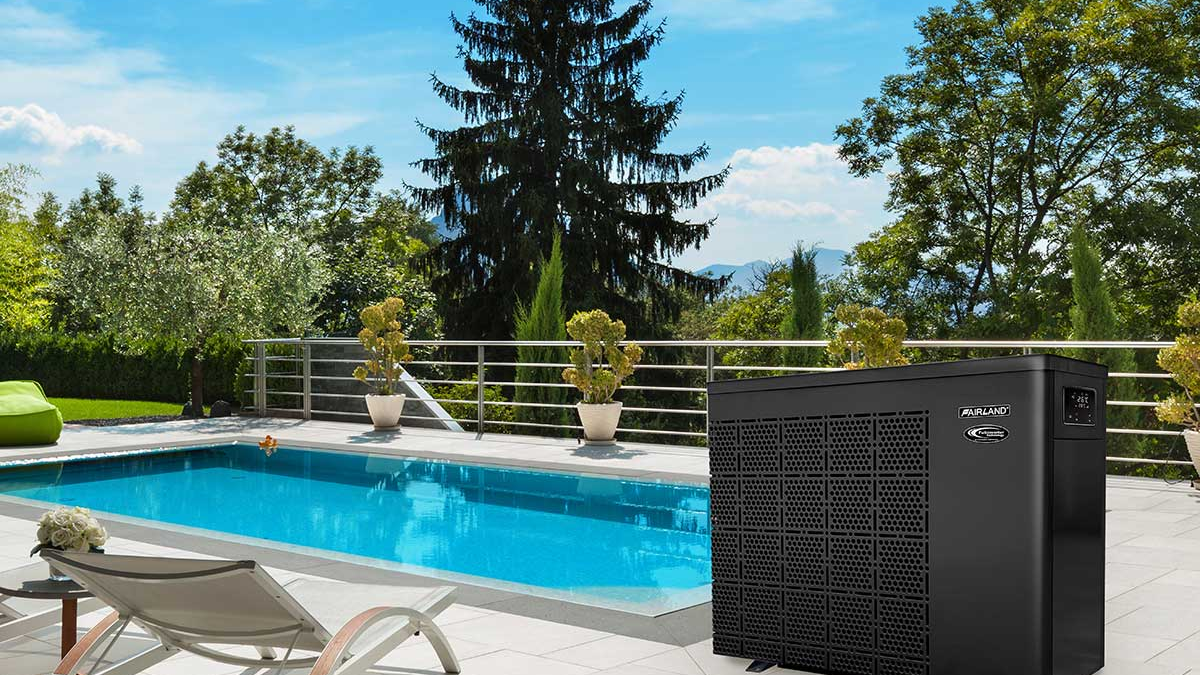
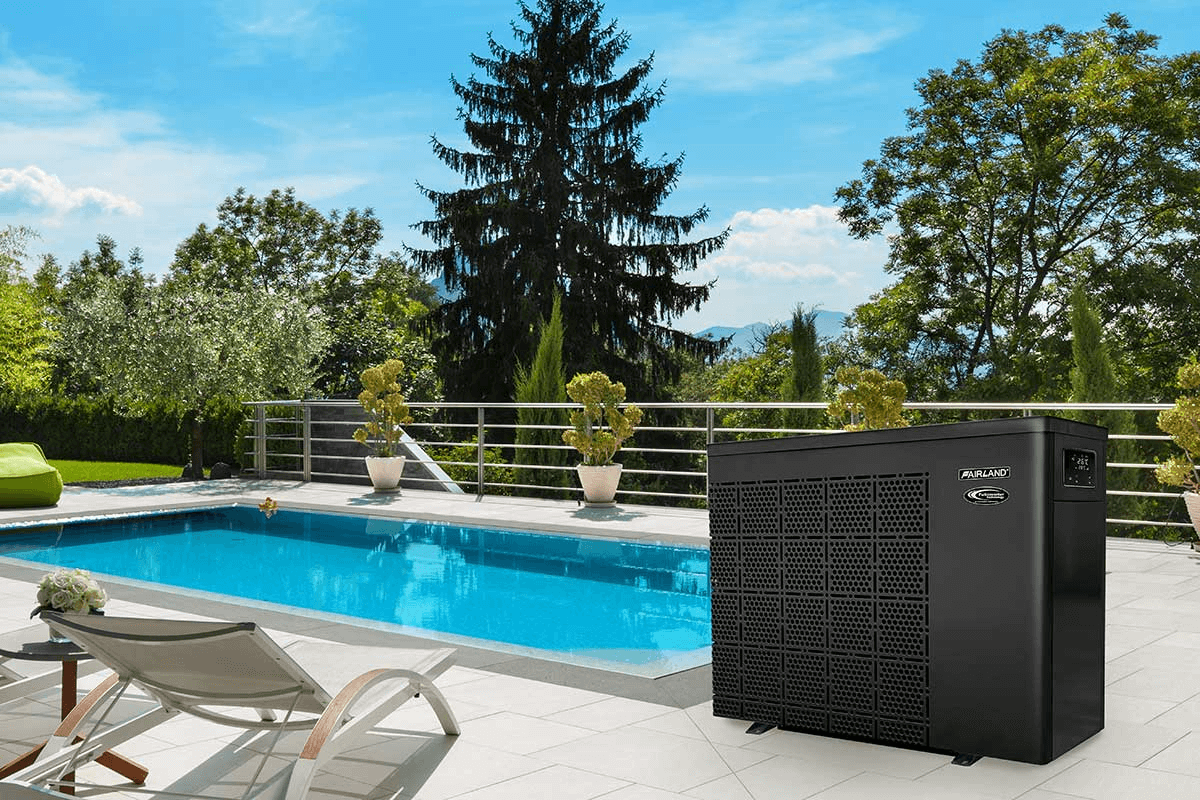
Imagine the sun dips behind the trees, it’s a crisp October evening, and instead of closing your pool, you’re slipping into warm water that feels just right. This isn’t a vacation fantasy—it’s what pool heat pumps make possible. Unlike the old days of shutting down your pool after summer, today’s systems extend your swimming season, save money on energy, and turn your backyard into a cozy outdoor living space complete with a heated patio and year-round fun.
2. The Seasonal Struggle: Why Pools Sit Empty Most of the Year
Most homeowners think of their pools as a 3–4 month perk—open in late spring, close before the fall leaves drop. Traditional pool heaters often fuel this mindset due to high costs and limited efficiency. Some even try braving cold plunges or short bursts of cold-water immersion, but let’s be honest—that’s not everyone’s idea of fun.
As Hayward’s blog points out, it’s a myth that swimming is only for summer. Modern swimming pool heater systems offer improved speed to heat and energy-efficient heat pumps, making year-round swimming realistic and affordable.
3. Heat Pump Magic: How They Keep Pools Warm Without Burning Cash
So, what’s the magic? A swimming pool heater pump doesn’t burn fuel—it pulls warmth from the air, even when it feels chilly outside, and transfers it into your pool water. This is how swimming pool heat pumps deliver steady heating without shocking your electric bill.
Unlike gas heaters, they run quietly, are eco-friendly, and help you maintain the perfect water temperature with ease. With simple routine maintenance, these heat pumps provide years of reliable heating while keeping your swims longer and warmer. As Solareas HVAC highlights, this tech makes heating practical, sustainable, and budget-friendly.
4. More Months of Fun: Benefits of Heat Pumps in Cooler Climates
Who says the pool season has to wrap up with summer? With pool heat pumps, you can stretch your swims well into fall, early spring, and sometimes even mild winters. These systems work best when paired with an energy-efficient pool cover, trapping warmth, and maintaining the perfect water temperature for longer.
While they don’t deliver instant speed to heat like gas, swimming pool heat pumps provide steady and low-speed heating that keeps water at a comfortable temperature. That means more pool parties, family time, and laps—even when your neighbors have already shut their covers.
5. Creating the Perfect Year-Round Outdoor Living Space
Owning a pool is about more than just swimming—it’s about lifestyle. Imagine stepping out of the water and gathering with friends by a heated patio, roasting marshmallows around a fire pit, or highlighting your backyard oasis with outdoor lighting. For the brave, mix in cold plunges for health and recovery.
When combined with pool heat pumps, these upgrades transform your yard into an all-season outdoor living space. Suddenly, your pool isn’t just for summer—it’s the centerpiece of your home’s year-round entertainment.
6. Real-World Results: Homeowners Who Extended Their Swim Season
Meet Sarah in Georgia: she installed a swimming pool heater pump, and went from a 3-month swim season to 8 months. Her kids now swim in October without shivering, and she only schedules light routine maintenance twice a year.
Then there’s Mike in New Jersey, who loves spontaneous laps. His swimming pool heater heats quickly enough to keep up with his weekend workouts, while his wife enjoys relaxing soaks after work. They’ve both praised the speed to heat and cost savings compared to their old gas system.
Real homeowners prove: it’s not just hype—it’s a lifestyle upgrade.
7. Cost vs. Value: Are Pool Heat Pumps Worth It?
At first glance, installing pool heat pumps can feel like an investment. But consider this: lower energy use, fewer repairs, and years of extended swim time add up to major savings. Unlike gas heaters that burn through fuel, swimming pool heat pumps deliver value season after season.
They not only maintain the perfect water temperature but also reduce your carbon footprint. And with simple routine maintenance, you’ll enjoy a system that pays for itself over time. Ready to see your options?
Browse Varmin Pool’s heater collection and start planning your extended swim season.
8. Maintenance Tips to Keep Your Heat Pump Humming
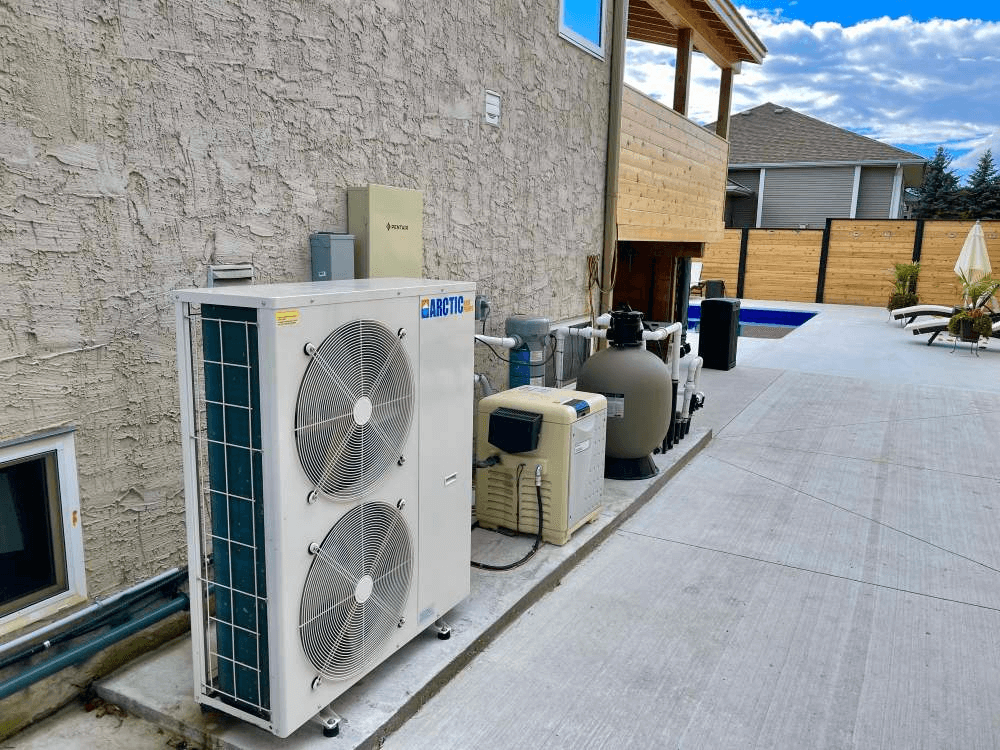
Like any system, your heat pump thrives on care. Routine maintenance ensures smooth performance and long life. Here’s a quick checklist:
- Clean or replace filters monthly.
- Inspect airflow and remove debris around the unit.
- Schedule annual servicing with a pool professional.
- Use a pool cover to keep heat in and make maintenance easier.
By treating your heat pumps right, you’ll enjoy warm water without unexpected breakdowns, season after season. A little attention now prevents bigger expenses later.
9. Conclusion: Dive In Longer—Because You Can
With today’s technology, closing your pool early is a choice—not a necessity. Pool heat pumps give you more months of swimming, fewer headaches, and an upgraded lifestyle. From cozy fall swims to springtime laps, they let you keep the fun going while saving money and energy.
FAQ: Pool Heat Pumps Made Simple
Can pool heat pumps work in cold weather?
Yes—most run efficiently above 50°F, with some models built for cooler conditions.
How long does it take to heat a pool?
Usually 24–48 hours, depending on pool size and climate.
What’s the difference between a pool heater and a heat pump?
Heaters burn fuel for quick results, while pumps use ambient air for steady, energy-efficient heating.
Do I need a pool cover?
Absolutely—it locks in heat and lowers costs.
Are they good for large pools?
Yes, when properly sized and maintained.
Q: Are heat pumps cost-effective for large pools?
Yes, with proper sizing and routine maintenance, they’re efficient even for bigger pools.


- How to Maximize Home Office Space in a Studio or One-Bedroom ApartmentAs more people continue working from home, renters are rethinking how they use every square foot of their apartments. A productive home office doesn’t require a dedicated room. With intentional design, even a studio apartment or one-bedroom layout can support focused work while still feeling... The post How to Maximize Home Office Space in a […]