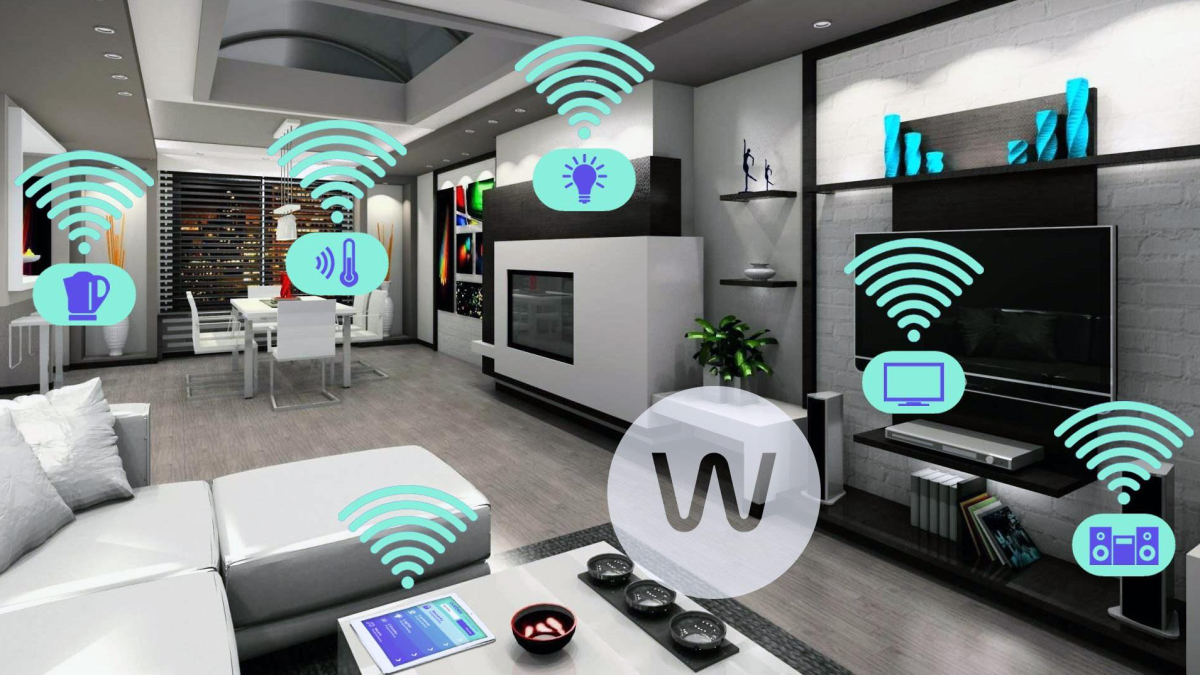

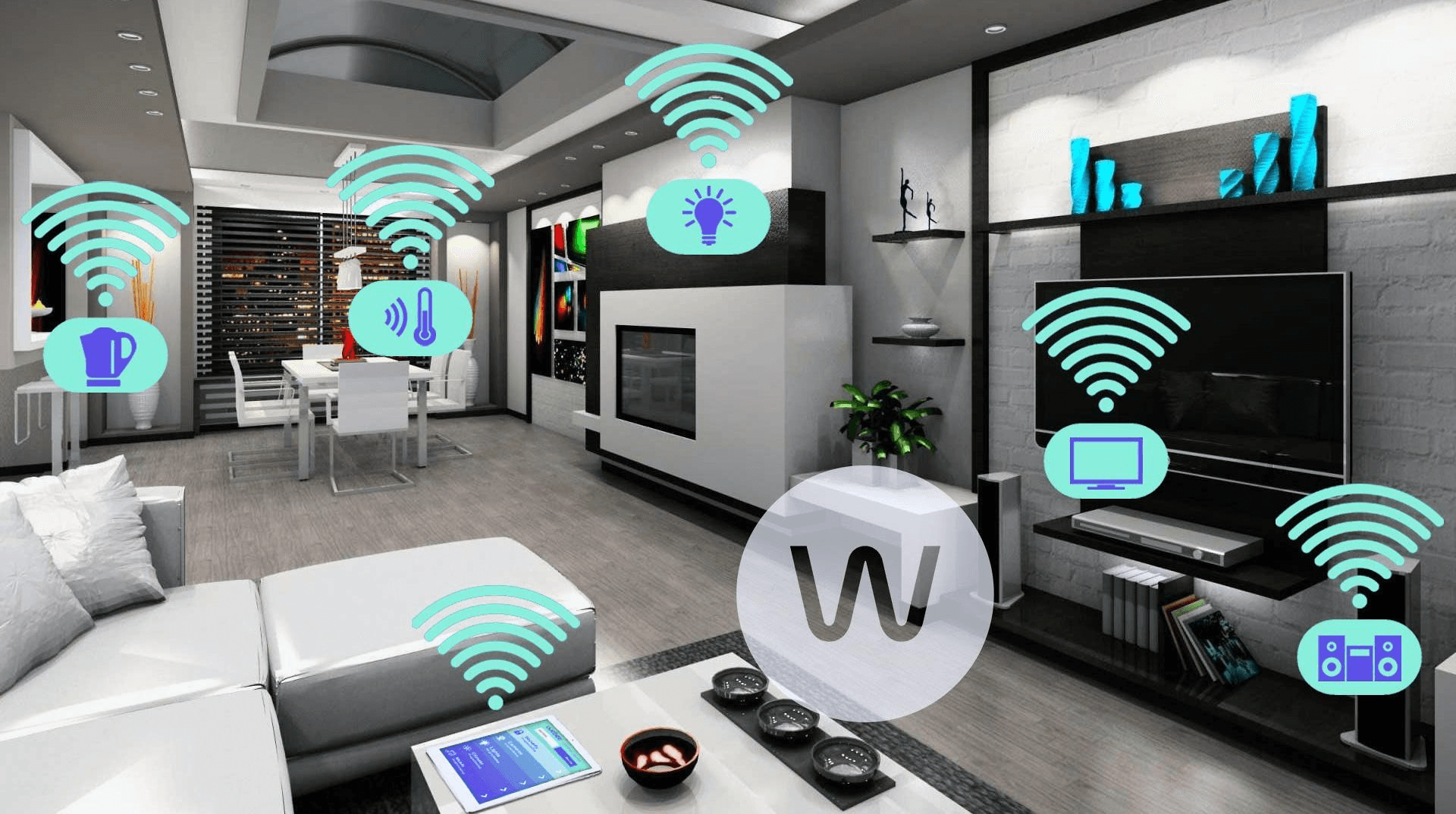
Smart home technology has skyrocketed in use in the last decade, going from niche and largely ignored to mainstream and standardized. Despite this spread, many of us are still hesitant to try smart home systems, seeing them as unnecessary and complicated. There’s a lot to gain here, however, and as long as you keep a few simple ideas in mind, you’ll be well on your way to making the most of what they have to offer.
Easier Than You Think
Smart home technology can seem scary because we think of it as extremely high tech. We’ve internalized the idea that anything digital is difficult to learn, but this isn’t the case. Smart home systems are generations old at this point, with a helpful writer at Ubuntu pointing out their origins back in 1975.
With today’s emphasis on online tech, the user-friendliness and user experience of these systems are better than ever. This means a setup process that is designed for even the most technophobic person to follow easily. For the average user, setup and use only takes a little time, and won’t frustrate you to figure out.
The Money Factor
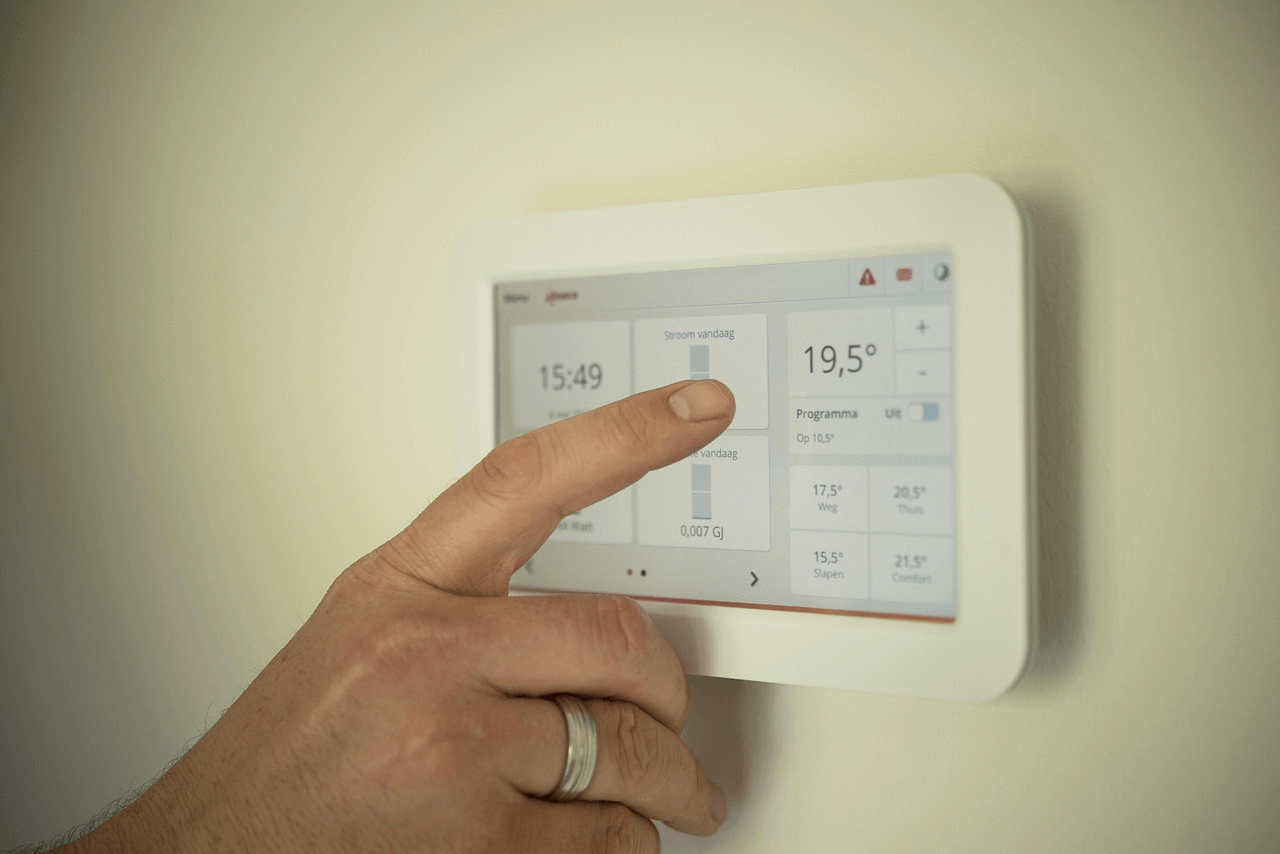
It’s true that smart home systems will be slightly more expensive than non-smart alternatives, but they can also help pay for themselves. This starts with lower power bills, which come from the automatic and remote functionality of smart systems. If you have peak electric hours to worry about, you could time washers and driers until after these are over. You can also turn off all unused devices remotely, which is great for the more forgetful among us, and these are just a couple of examples.
Investing in smart home systems can also aid in home valuation, providing more back to you later if you do intend to sell. A modern online system, like the Sold online estate agents, is a great example of this in action. This platform takes modifications like smart home installations into account, and alongside free cash offers and no hidden fees, can help you get an efficient and fair sale of a smart home-equipped property.
Remember Open Source
One big caveat to keep in mind when buying smart homes is to understand that many can fall into the trap of live service software. This is where you have to keep paying to access your smart systems, and if the company fails, your systems might become inoperable. This was the case for providers like Insteon, iHome, Rovolv, Iris, Insignia, and more.
To avoid this issue, consider purchasing systems that operate on open source software. This is software that is maintained by the community rather than big companies, so there’s no chance of it suddenly going offline if the business fails or decides to end support. Cedia explains some options here that should support your needs for decades to come.
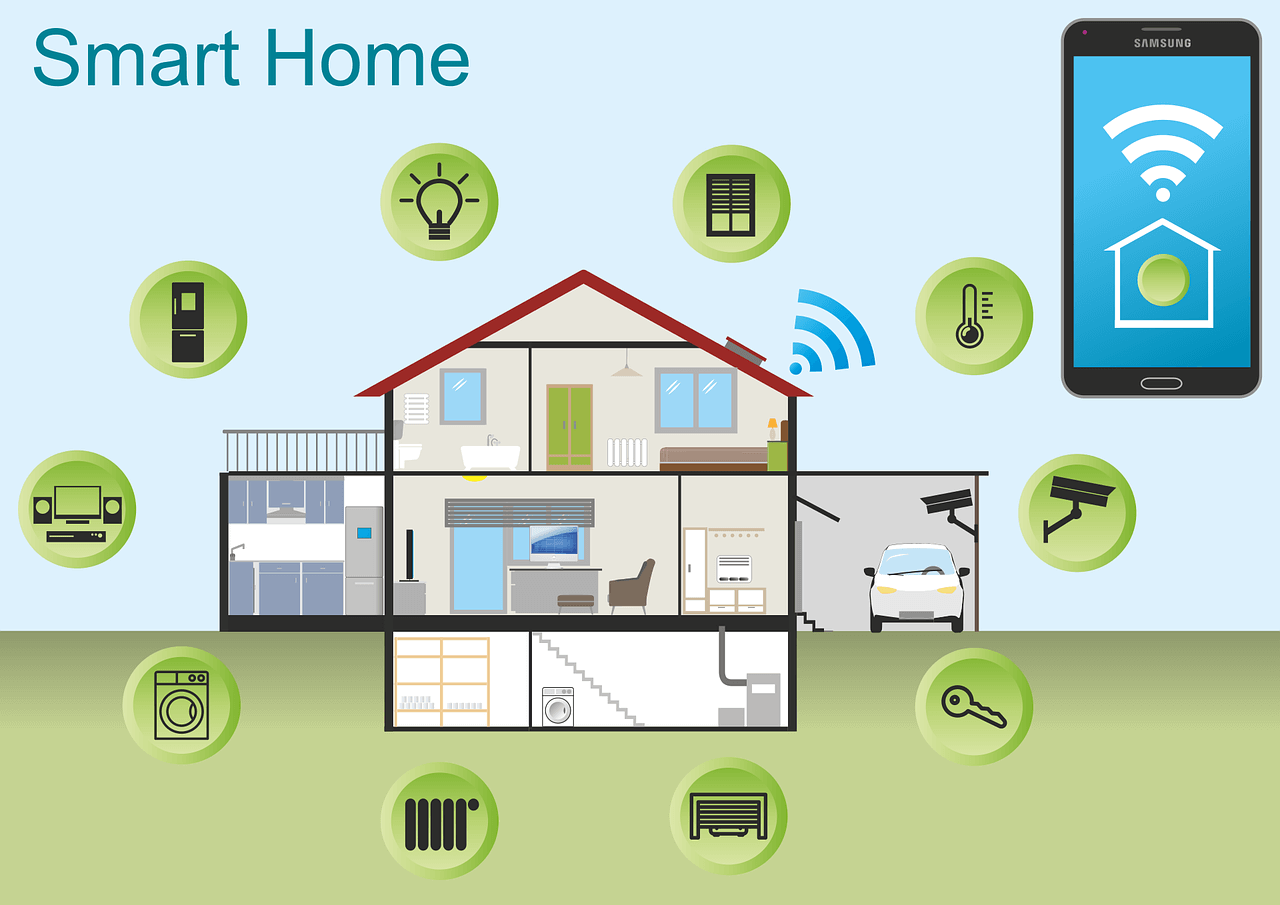
Smart homes are like smartphones and smart TVs; their arrival into our lives is a matter of when and not if. The question is, would you rather be proactive and learn on your own terms to take advantage of their features, or wait until you have no choice but to learn later? There’s no one right decision for everyone, but they are worth considering seriously.


- How to Maximize Home Office Space in a Studio or One-Bedroom ApartmentAs more people continue working from home, renters are rethinking how they use every square foot of their apartments. A productive home office doesn’t require a dedicated room. With intentional design, even a studio apartment or one-bedroom layout can support focused work while still feeling... The post How to Maximize Home Office Space in a […]