

Major home renovations look very different today than they did even twenty years ago.
Homes are larger, materials are heavier, and design trends increasingly rely on structural elements such as steel beams, oversized windows, rooftop equipment, and prefabricated components.
Whether it is a full home addition, a roof replacement, or a structural remodel, many residential projects now involve lifting and positioning loads far beyond what manual labor or basic tools can safely handle.
That is where professional rigging comes in. Rigging is not limited to skyscrapers or industrial job sites. It plays a critical role in modern home renovations, ensuring that heavy materials are lifted, moved, and installed safely, accurately, and without damage to the structure or the people working on it.
The Growing Weight of Modern Home Projects
Home renovation materials have evolved. Structural steel beams are often used to open floor plans. Engineered lumber and laminated beams are heavier than traditional framing materials. HVAC units, backup generators, solar panels, and prefabricated wall sections can weigh hundreds or thousands of pounds.
Attempting to move these components without proper rigging equipment creates serious risks. Improvised lifting methods, undersized tools, or unbalanced loads can cause injuries, damage materials, or lead to structural failures.
Professional rigging ensures that weight is properly supported, loads are evenly distributed, and every lift is controlled from start to finish.
What Professional Rigging Really Means
Professional rigging is not just about lifting heavy loads. It is a complete system that includes load assessment, equipment selection, attachment methods, and precise lifting techniques.
Trained riggers understand how forces shift during a lift, how angles affect load capacity, and how to protect both the load and the surrounding structure.
For homeowners, this expertise translates into safer renovations, fewer delays, and better outcomes. When rigging is done correctly, heavy components are installed exactly where they need to be, without overstressing the home or putting workers at unnecessary risk.
Rigging Tools Commonly Used in Home Renovations
Professional rigging relies on specialized tools designed to handle heavy loads safely and predictably. Some of the most common rigging tools used in residential renovation projects include:
Slings
Slings are used to support and lift loads and come in several types, including wire rope slings, synthetic slings, and chain slings. In home renovations, slings are often used to lift beams, HVAC units, and prefabricated sections. Proper sling selection ensures the load is evenly supported and prevents crushing or shifting during the lift.
Chain Hoists
Chain hoists provide controlled vertical lifting and are especially useful for positioning heavy components within a structure. During renovations, chain hoists are commonly used to raise steel beams into place, lift stair assemblies, and support loads during adjustments. Their precise control allows contractors to make small, safe movements.
Beam Clamps
Beam clamps attach securely to structural steel and provide a strong anchor point for lifting devices. In home renovations involving steel beams or reinforced framing, beam clamps allow riggers to attach chain hoists or slings without drilling or welding, protecting the structure’s integrity.
Spreader Bars
Spreader bars distribute weight evenly across a load. This is especially important when lifting wide or long items such as roof trusses, wall panels, or large windows. By reducing stress points, spreader bars help prevent bending, cracking, or structural damage during the lift.
Shackles
Shackles connect slings, hoists, and lifting points. Although small, they are critical components of any rigging system. Properly rated shackles ensure secure connections and allow safe load movement without unexpected separation.
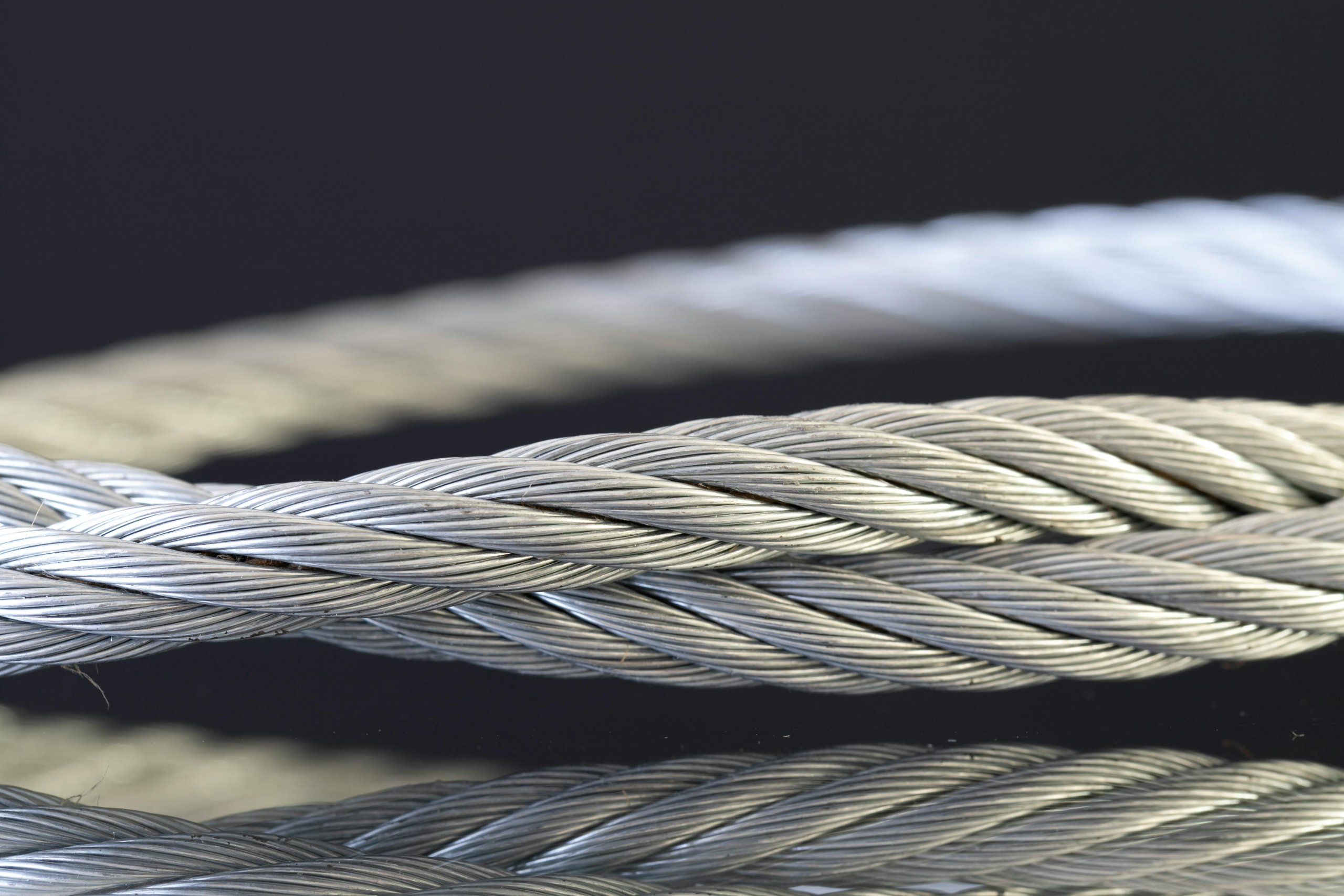
Wire Rope
Wire rope is commonly used in residential rigging for pulling, lifting, and stabilizing loads. Its strength and durability make it ideal for supporting heavy loads while maintaining flexibility. When properly selected and installed, wire rope provides reliable load control throughout the renovation process.
Safety Is the Biggest Reason Rigging Matters
The most important benefit of professional rigging is safety. Heavy-lifting accidents can cause severe injuries, structural damage, or even total project shutdowns. Professional rigging minimizes these risks by using equipment that is properly rated and inspected and used in accordance with best practices.
Rigging professionals understand load limits, working load ratings, and how environmental factors such as uneven ground or limited clearance affect a lift. This knowledge prevents common mistakes, including overloading equipment, using improper attachment points, and allowing loads to swing uncontrollably.
For homeowners, this level of safety also reduces liability. When professionals handle rigging, the likelihood of property damage or injury-related claims drops significantly.
Protecting the Home Itself
Beyond safety, rigging protects the home being renovated. Heavy materials can easily crack foundations, damage framing, or compromise finishes if not handled properly. Controlled lifts using proper rigging tools allow materials to be placed gently and accurately, even in tight or finished spaces.
For example, installing a steel beam in an existing home often requires threading it through confined areas. Using chain hoists and beam clamps, contractors can lift and shift the beam incrementally, reducing stress on walls, floors, and ceilings.
Efficiency and Precision
Professional rigging also keeps renovation projects on schedule. Improvised lifting methods often cause delays when things do not go as planned. Loads shift, materials are damaged, or workers must stop to reassess unsafe conditions.
With proper rigging equipment such as spreader bars and slings, lifts are planned in advance and executed efficiently. Materials arrive, are lifted into place, and installed with minimal downtime. This precision reduces labor hours and helps keep overall project costs under control.
Knowing When Rigging Is Necessary
Not every home project requires professional rigging, but many major renovations do. Projects that typically benefit from rigging include:
- Structural beam installation
- Roof replacements with large trusses
- Whole-home additions
- Installation of heavy mechanical equipment
- Prefabricated wall or floor systems
- Large window or door openings
When loads are heavy, awkwardly shaped, or must be placed with precision, rigging is not optional; it is essential.
Why Cutting Corners Is Never Worth It
Home renovation budgets can be tight, and it can be tempting to avoid specialized services.
However, cutting corners on rigging often leads to higher costs in the long run. Equipment damage, material replacement, medical bills, and project delays quickly outweigh the cost of doing the job correctly from the start.
Professional rigging brings experience, planning, and the right tools to the job. It reduces risk, improves outcomes, and ensures that even the heaviest components of a renovation are handled safely.
Final Thoughts
Modern home renovations are heavier, more complex, and more ambitious than ever before. Behind many of these projects is professional rigging, quietly ensuring that everything from steel beams to rooftop equipment is safely lifted and installed.
Using proper rigging tools such as slings, chain hoists, beam clamps, spreader bars, shackles, and wire rope, professionals protect workers, homeowners, and the structure itself. For any major renovation, professional rigging is not just a technical detail. It is a critical part of building smarter, safer, and stronger homes.


- Why Growing Workshops Need to Treat Abrasives as a Business Decision, Not a Consumables Line ItemA lot of Australian workshops still buy abrasives the same way they buy tea bags, gloves or bin liners. Someone spots a deal, a carton lands, the team uses it until it runs out, then the cycle repeats. That works for a while. It usually... The post Why Growing Workshops Need to Treat Abrasives as […]