
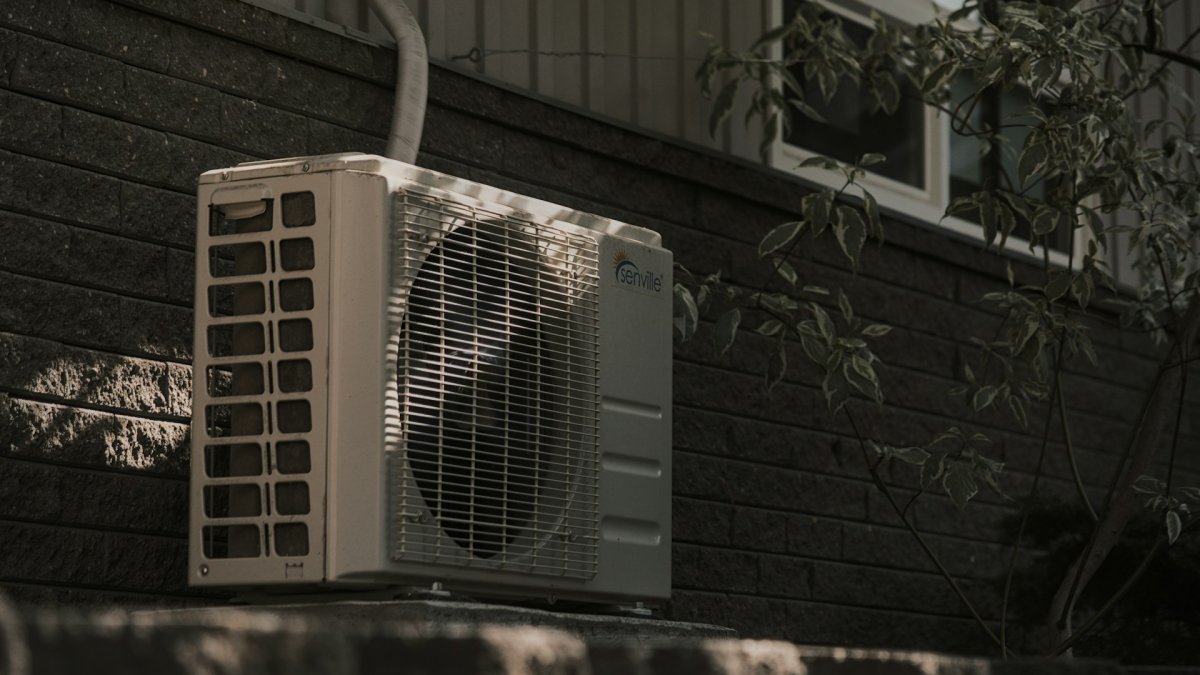

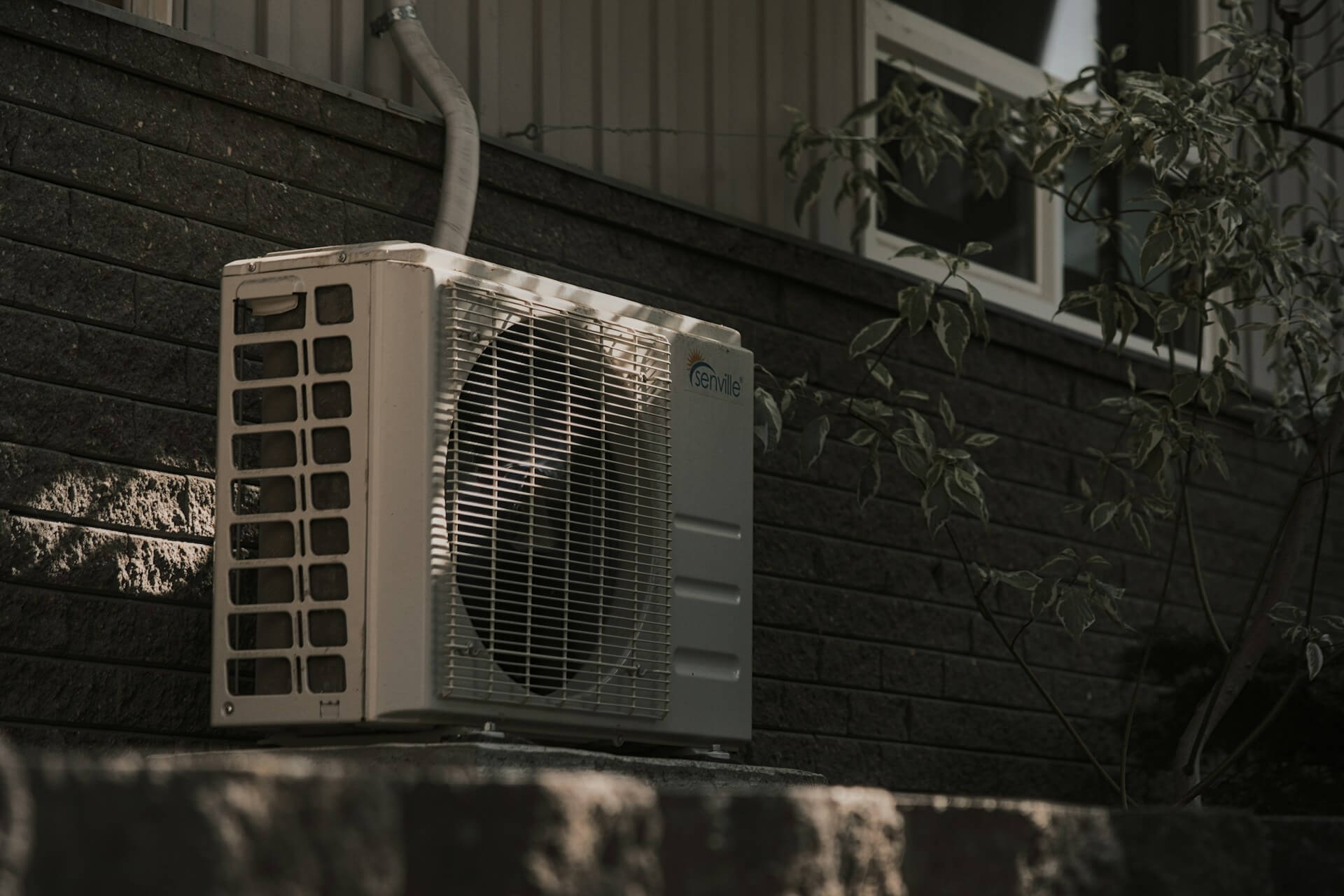
Choosing the right size air conditioner for your home is one of the most important decisions when installing or replacing an HVAC system. Many homeowners assume that a bigger unit will cool their home faster and more effectively, but that’s not always the case.
An oversized or undersized system can lead to poor performance, higher energy bills, and unnecessary wear on the equipment. This is why professional HVAC contractors carefully calculate the correct system size before recommending a new air conditioning unit.
Why AC Size Matters
The “size” of an air conditioner refers to its cooling capacity, which is measured in tons. One ton of cooling capacity equals the ability to remove about 12,000 BTUs (British Thermal Units) of heat per hour. Residential air conditioners typically range from 1.5 tons to 5 tons, depending on the size and needs of the home.
Installing the wrong size AC unit can create several problems:
- Oversized units cool the home too quickly, causing the system to cycle on and off frequently. This short cycling reduces efficiency and prevents proper humidity control.
- Undersized units run continuously but still struggle to reach the desired temperature, leading to increased wear and higher energy bills.
Professional HVAC contractors evaluate several factors to determine the correct system size for your home.
Home Square Footage
Square footage is one of the starting points when estimating AC size. While every home is different, general guidelines often look like this:
- 600–1,000 sq. ft.: 1.5–2 tons
- 1,000–1,500 sq. ft.: 2–2.5 tons
- 1,500–2,000 sq. ft.: 2.5–3 tons
- 2,000–2,500 sq. ft.: 3–4 tons
- 2,500+ sq. ft.: 4–5 tons
However, these numbers are only rough estimates. HVAC contractors use more detailed calculations to determine the exact size needed.
Insulation and Home Construction
Insulation plays a major role in how efficiently your home retains cool air. Homes with high-quality insulation require less cooling capacity, while poorly insulated homes may need larger systems to maintain comfortable temperatures.
The age of the home, type of windows, and roofing materials can also influence how much heat enters the house. Older homes often require additional evaluation to determine the proper system size.
Climate and Sun Exposure
Your geographic location and the amount of sunlight your home receives can affect cooling needs. Homes that receive direct sunlight for much of the day may need more cooling capacity than homes with significant shade.
Professional HVAC contractors account for local climate conditions when calculating system size to ensure consistent comfort during the hottest parts of the year.
Ceiling Height and Layout
Homes with higher ceilings have more air volume that needs to be cooled. Open floor plans may allow air to circulate more easily, while homes with many smaller rooms may require adjustments to airflow and system design.
HVAC contractors also evaluate ductwork and airflow to ensure the system can distribute cooled air evenly throughout the home.
The Importance of a Professional Load Calculation
Rather than relying on estimates alone, reputable HVAC contractors perform what’s called a Manual J load calculation. This industry-standard method evaluates multiple factors, including:
- Home size and layout
- Insulation levels
- Window placement and type
- Local climate data
- Occupancy and appliance heat load
This detailed calculation ensures that the recommended AC unit is properly sized for your home’s specific cooling requirements.
Making the Right Choice
Installing the right-sized air conditioning system helps improve comfort, reduce energy costs, and extend the life of your equipment. An efficient system will maintain consistent temperatures without excessive cycling or strain.
Working with experienced HVAC contractors ensures that your system is correctly sized, professionally installed, and optimized for long-term performance. With the right unit in place, you can enjoy reliable cooling and better energy efficiency throughout the year.


- Why Growing Workshops Need to Treat Abrasives as a Business Decision, Not a Consumables Line ItemA lot of Australian workshops still buy abrasives the same way they buy tea bags, gloves or bin liners. Someone spots a deal, a carton lands, the team uses it until it runs out, then the cycle repeats. That works for a while. It usually... The post Why Growing Workshops Need to Treat Abrasives as […]