
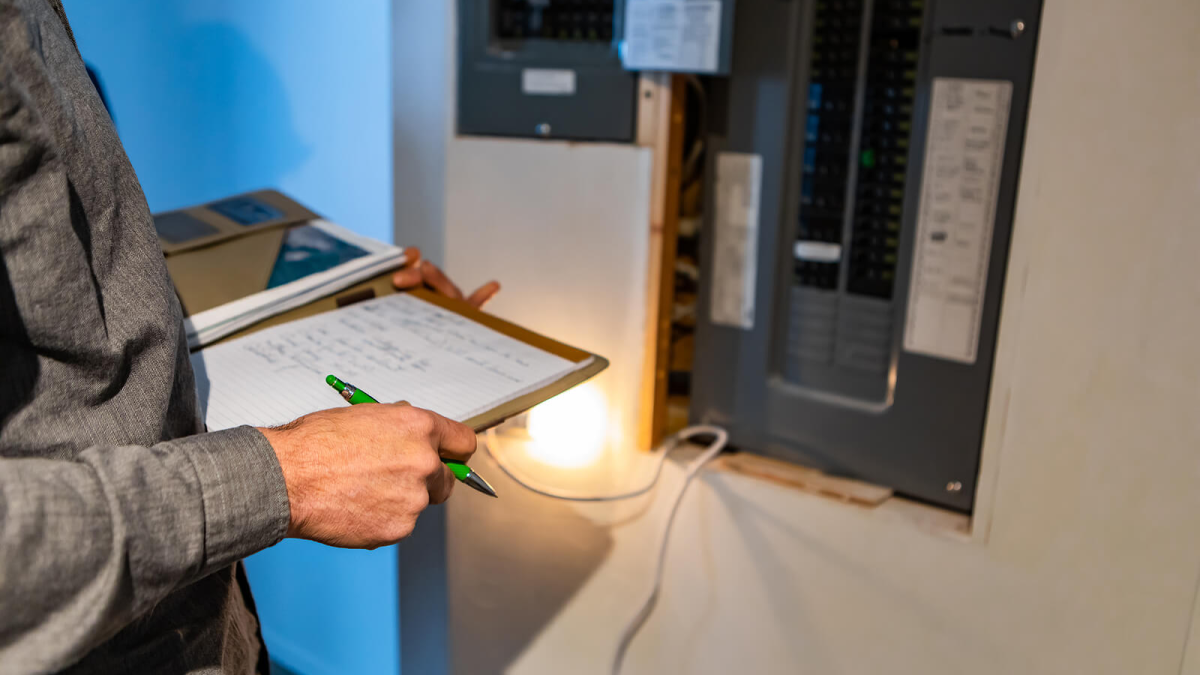

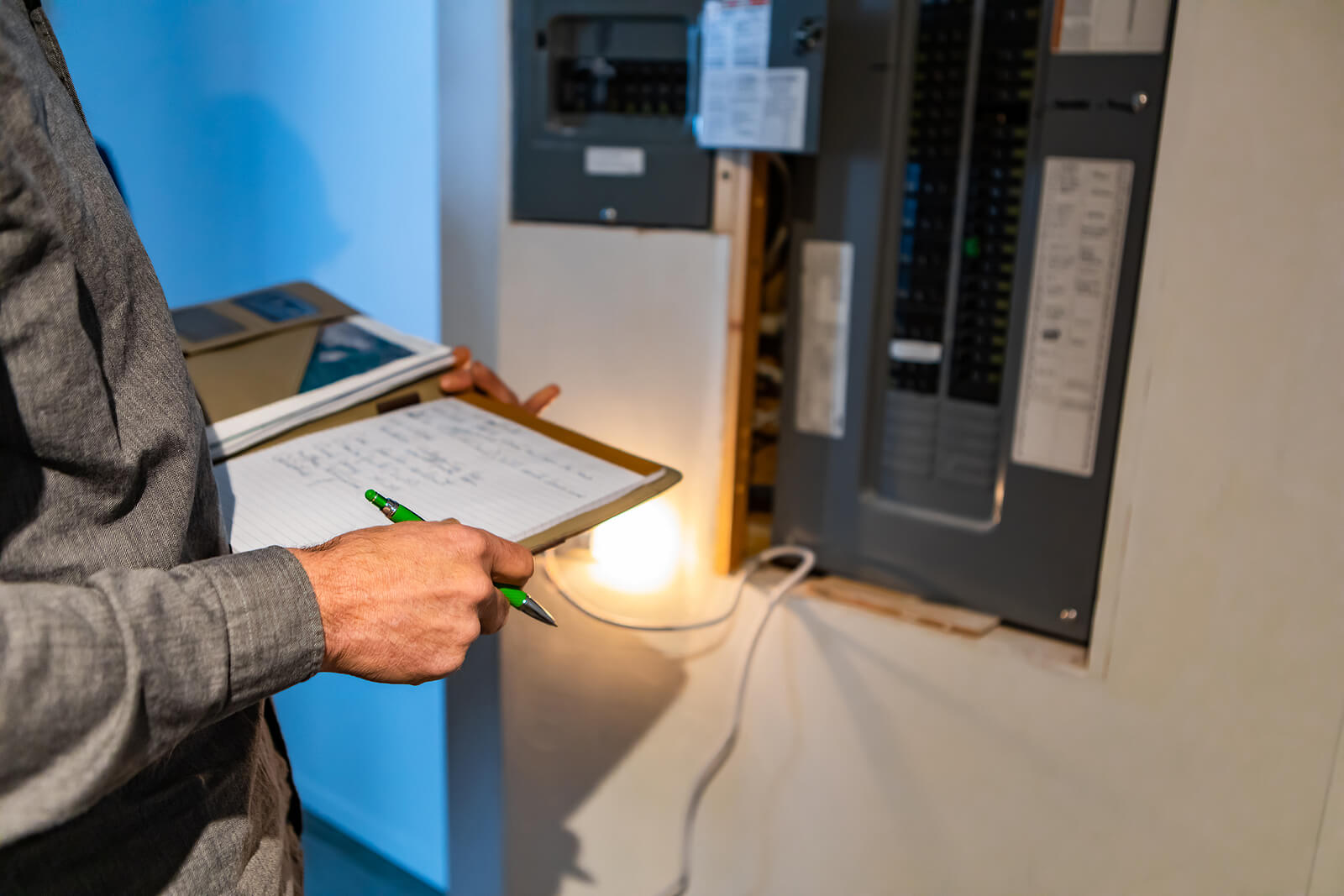
Electrical systems are at the heart of every home, powering everything from kitchen appliances to heating and lighting. But when faults go unnoticed, they can lead to serious safety risks, including fires and electric shocks. Regular safety checks are essential for protecting your household and ensuring your system runs efficiently. Here’s a breakdown of the most important electrical checks every homeowner should be aware of.
Why Electrical Safety Checks Matter
Electricity is something most people take for granted until a problem arises. Unlike visible wear and tear in other areas of the home, electrical issues can develop quietly behind the scenes. Overloaded circuits, faulty wiring, and outdated fittings can all create hidden hazards.
Carrying out routine checks helps:
- Identify potential dangers before they become emergencies.
- Extend the lifespan of electrical systems and appliances.
- Improve energy efficiency by ensuring connections are sound.
Checking Sockets and Switches
Sockets and switches are used daily, so they often provide the first signs of trouble. Look out for:
- Burn marks or discolouration, which may indicate overheating.
- Loose fittings that wobble or spark when used.
- Buzzing or crackling sounds when appliances are plugged in.
Any of these signs suggest it’s time for professional attention. Left unresolved, they could signal wiring issues that compromise the entire circuit.
Testing the Consumer Unit and RCD
The consumer unit (often called the fuse box) is the control centre of your home’s electrical system. Modern units contain Residual Current Devices (RCDs), which cut power instantly if they detect a fault, protecting you from electric shocks.
Homeowners should test RCDs at least twice a year using the built-in “test” button. If the device doesn’t trip and reset properly, it may not function in an emergency. Ensuring your consumer unit is up to date and compliant with current standards is one of the most important aspects of electrical safety.
Inspecting Cables and Extension Leads
Cables are easy to overlook but can quickly become hazards if damaged. Signs of wear include fraying, exposed wires, or kinks in the cable. Extension leads should be used sparingly and never overloaded — plugging too many high-wattage appliances into one strip can cause overheating.
When it comes to permanent solutions, additional sockets installed by a qualified electrician are far safer than relying on multiple extensions.
Lighting and Outdoor Circuits
Faulty lighting circuits and outdoor electrics often go unnoticed until they fail completely. Keep an eye out for flickering lights, bulbs that blow frequently, or switches that feel warm to the touch. Outdoors, check that sockets and lighting are weatherproof and properly sealed to prevent moisture from entering.
Garden electrics are particularly vulnerable to wear, so regular inspections can help prevent both inconvenience and danger.
When to Call in a Professional
While basic visual checks are useful, some issues require professional expertise. A qualified electrician can carry out detailed inspections, test wiring resistance, and ensure your home meets modern safety regulations. Working with trusted providers such as LA Electrical gives homeowners peace of mind that their system is both safe and efficient.
Final Thoughts
Electrical safety is not something to overlook. Small warning signs — such as buzzing sockets, damaged cables, or outdated fuse boxes — can quickly turn into bigger risks if ignored. By carrying out regular checks and calling in professionals when needed, homeowners can safeguard their property, protect their family, and avoid costly repairs down the line.


- Why Growing Workshops Need to Treat Abrasives as a Business Decision, Not a Consumables Line ItemA lot of Australian workshops still buy abrasives the same way they buy tea bags, gloves or bin liners. Someone spots a deal, a carton lands, the team uses it until it runs out, then the cycle repeats. That works for a while. It usually... The post Why Growing Workshops Need to Treat Abrasives as […]