


Your HVAC system works hard to keep your home comfortable, but even small inefficiencies can add up over time. Before the summer heat kicks in, it’s worth taking a few minutes to see if your AC is performing at its best, a quick efficiency check can reveal issues early and keep your system running smoothly all season.
AC Test Basics: Why Efficiency Checks Matter
Regular performance testing ensures your air conditioner runs as efficiently as it was designed to. Over time, even minor issues, dust buildup, refrigerant loss, or electrical wear, can quietly degrade performance, leading to higher utility bills, uneven cooling, and shortened equipment life.
Testing performance with an AC test at least once a year helps catch problems early before they evolve into expensive breakdowns, maintain optimal AC efficiency (saving 10-30% on energy costs), and preserve comfort and air quality, since poor performance often means poor circulation or humidity control.
Think of it as a health check-up for your HVAC system: proactive testing extends its lifespan and ensures reliable comfort all year. Most people only schedule an AC test after it fails, when comfort and repair costs are already suffering, but regular testing prevents small inefficiencies from becoming major breakdowns. A clogged coil or weak capacitor can silently raise energy use by 20-30% before you ever notice.
It also protects indoor air quality, as weak systems trap humidity and fuel allergens or mold, while balanced airflow ensures every room cools evenly, no hot bedrooms or icy living rooms. Just one annual AC test can add up to five extra years of reliable service.
Skipping AC tests to “save money” is like ignoring your car’s oil changes, you’ll pay more later.
Key Signs of Poor AC Efficiency
Your AC may still cool your home, but inefficiency often hides in plain sight. Watch for rising energy bills without changes in use, uneven temperatures or “hot spots” in certain rooms, longer run times to hit the same thermostat setting, and weak airflow or air that feels warmer than the thermostat reading.
Unusual noises, buzzing, or vibrations can also signal compressor, fan, or electrical strain, while increased humidity indoors often points to reduced cooling performance.
Each of these symptoms indicates your system is working harder than it should, burning more power, producing less comfort, and wearing out faster. If your AC feels like it’s working overtime but your home still doesn’t cool evenly, it’s speaking to you, just not in words.
Skipping these signs is like running a marathon with one shoe untied, you’ll make it, but not efficiently. Improving AC efficiency means noticing these clues early and acting fast.
Simple AC Tests to Measure Efficiency
You don’t need professional tools to get a sense of your system’s health. A simple thermometer AC test can reveal a lot: measure the air coming from a supply vent and compare it to the return vent, a 15-20°F difference is ideal for most systems. Weak or inconsistent airflow from vents often points to duct leaks or dirty filters, while rapid on/off cycling can signal poor calibration or low refrigerant.
Monitoring energy use also helps. Compare your utility bills year-over-year under similar weather conditions; sharp increases suggest declining AC efficiency. Smart thermostats like Nest or Ecobee make this easier by tracking runtime and energy trends week to week.
These at-home checks can reveal performance dips early, before they turn into costly repairs. For best results, create a quick “efficiency baseline” after a tune-up and compare your system’s behavior later in the season. If run times increase, it’s time for re-testing or another AC test.
How to Check AC Capacitor
The capacitor stores and releases energy to start your AC’s compressor and fan motors, without it, the system can’t even start. To check AC capacitor safely, turn off power completely at both the thermostat and breaker. Then open the outdoor unit’s access panel (usually held by a few screws) and locate the small cylindrical or oval metal component.
Inspect it closely for bulging, rust, leaking oil, or burnt terminals. A burning odor is also a warning sign of electrical failure. If you see or smell any of these issues, stop there, capacitors can hold a dangerous charge even when powered off. Replacing a failing one early can prevent bigger, costlier compressor problems and help maintain AC efficiency.
How to Check AC Capacitor with Multimeter
If you have a digital multimeter with a capacitance setting, turn off all power and safely discharge the capacitor using an insulated screwdriver across the terminals. Remove it from the circuit, noting wire placement, then set your multimeter to “capacitance (μF)” and connect the leads to the terminals.
Compare the reading with the value printed on the capacitor’s label (for example, 40/5 μF ±6%). If it’s more than 10% below the rated value or the reading fluctuates erratically, the capacitor is weak or failing. Check AC capacitor performance at least once a year to avoid startup issues and protect your system.
While you’re testing, you can also check AC voltage with multimeter to ensure proper electrical flow. Comparing voltage readings with manufacturer specifications helps identify wiring or power supply problems that reduce AC efficiency and cause hard starts.
How to Check AC Compressor
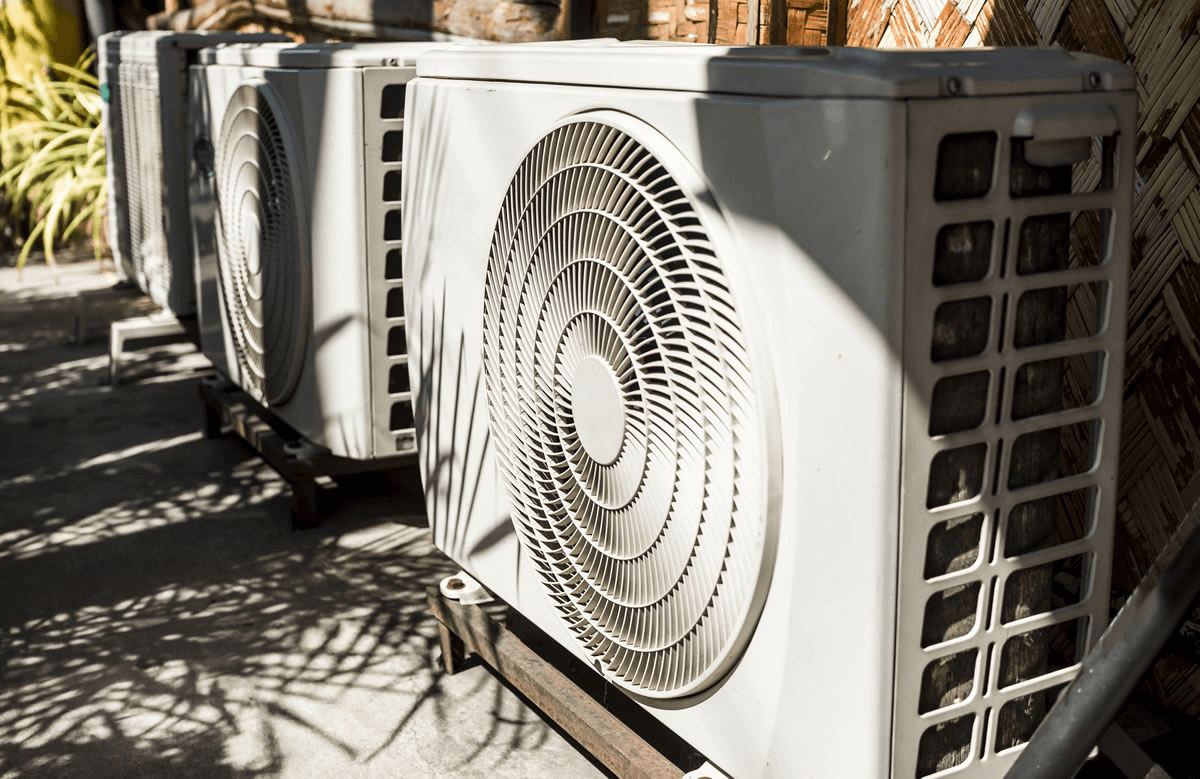
The compressor is your system’s heart, its steady hum is the sound of healthy operation. Loud rattling, clicking, or buzzing usually signals trouble. Carefully touch the copper refrigerant lines: one should feel cold (suction) and the other warm (discharge); a strong temperature contrast means things are working properly.
Watch the outdoor fan and compressor during startup, if the fan runs but the compressor doesn’t, the capacitor or contactor may be failing. Advanced users can check AC voltage with multimeter or measure amperage draw with a clamp meter and compare it to the compressor’s rated amps on its nameplate; high amperage can indicate a hard start or electrical issue.
If the compressor overheats, short cycles, or trips breakers, shut it off and call a professional, these are complex, high-pressure components that can be easily damaged if ignored. Addressing these issues promptly keeps your AC efficiency at its peak.
How to Check AC Refrigerant Level
Because refrigerants are pressurized and regulated, visual checks are safest for homeowners. Check the sight glass (if present); bubbles may indicate low refrigerant. Frost or ice buildup on copper lines or the evaporator coil, as well as hissing or gurgling sounds near connections, can also signal a leak or low charge.
If you notice frost, turn off the system to prevent compressor damage and call a licensed HVAC technician immediately. Do not attempt to open or recharge the refrigerant circuit yourself, handling refrigerants requires EPA-certified equipment and training. Regular AC test appointments by professionals ensure your refrigerant levels stay optimal for AC efficiency.
Other Factors Affecting AC Efficiency
Efficiency depends on the whole system, not just the compressor or coils. Clean air filters, evaporator and condenser coils, and unobstructed outdoor units are essential for proper airflow and heat transfer. Leaky ducts or poor insulation waste cool air and make your AC work harder, while inaccurate thermostat readings cause unnecessary run time.
A seasonal professional AC test that cleans, calibrates, and balances all these components keeps performance near factory levels, ensuring every watt turns into comfort. Proper maintenance and routine check AC capacitor inspections go a long way toward maintaining AC efficiency.
When to Get a Professional AC Test
Call a certified HVAC technician if your system blows warm air, makes unusual noises, trips breakers, or shows ice on the coils. Also schedule a visit if you notice weak cooling, unexplained energy bill spikes, lingering humidity or odors, or if it’s been over 12 months since your last tune-up.
Professionals use specialized tools to measure refrigerant pressure, electrical load, and airflow accuracy, data impossible to gather without proper equipment. They’ll also check AC voltage with multimeter and check AC capacitor performance during the process. Regular professional testing not only prevents breakdowns but also validates warranties and keeps your system running at peak AC efficiency.


- Why Growing Workshops Need to Treat Abrasives as a Business Decision, Not a Consumables Line ItemA lot of Australian workshops still buy abrasives the same way they buy tea bags, gloves or bin liners. Someone spots a deal, a carton lands, the team uses it until it runs out, then the cycle repeats. That works for a while. It usually... The post Why Growing Workshops Need to Treat Abrasives as […]