

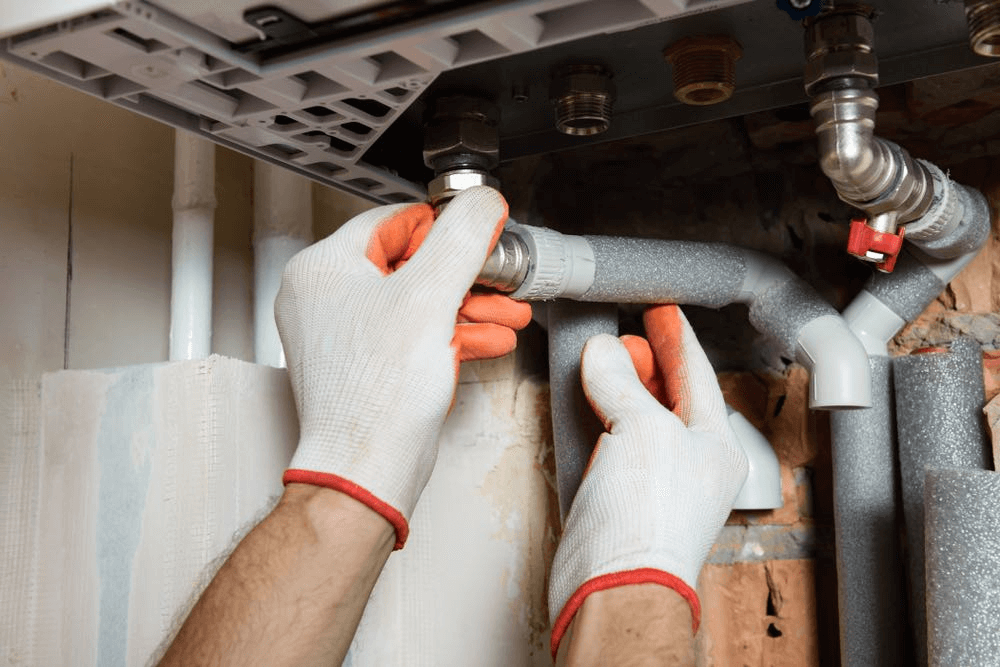
Before the first freeze hits, every homeowner should think like a plumber. Winterizing plumbing isn’t just a seasonal chore, it’s smart prevention that keeps your water lines safe, efficient, and leak-free when temperatures drop.
Why Winterizing Plumbing Matters
Winterizing home plumbing isn’t just about preventing inconvenience, it’s about avoiding a potential disaster. When water freezes inside pipes, it expands and can create enough pressure to split copper or PVC like a soda can in a freezer. A single burst pipe can release hundreds of gallons of water in minutes, causing structural damage, mold growth, and thousands of dollars in repairs.
By winterizing early, you’re also protecting your water heater, outdoor faucets, irrigation lines, and any hidden pipes in unheated spaces. Think of it as “cold-weather armor” for your home’s plumbing, a small effort now that saves huge headaches later.
Because plumbing failures rarely start with a burst, they start with one forgotten pipe in the wrong place. When water freezes, it pushes against every joint, valve, and connection in your system, and one weak spot can turn into a geyser once the ice thaws. Winterizing house plumbing isn’t just a precaution, it’s stress testing your plumbing before nature does it for you. The cost of plumbing winterization (insulation, drain-down, faucet covers) is tiny compared to emergency plumbing, drywall repair, and flooring replacement. You’re not just protecting pipes, you’re protecting your home’s bones.
Where To Focus When You Winterize House Plumbing
Some pipes live dangerously close to the cold. The most at-risk areas are exterior walls without proper insulation, basements and crawl spaces where cold air lingers, and unheated spaces like garages, attics, or utility rooms with exposed plumbing.
Under kitchen and bathroom sinks, especially on outside walls, can also trap cold air around pipes, as can laundry areas near garage walls and unfinished basements with metal vents blowing cold air toward copper lines. Cold air from vents or poorly insulated ducts can affect both plumbing and air conditioning systems, so check those areas for drafts while you insulate pipes. Outdoor spigots and hose bibs are literally exposed to the elements.
Every home has “cold zones,” and they’re not always where you’d expect. If a space feels drafty or cold to you, like the cabinet under your kitchen sink or a bonus room above the garage, your pipes feel it ten times worse. If you’ve ever walked barefoot somewhere and thought, “wow, it’s freezing in here,” that’s where your pipes feel it most, and that’s where you most need to winterize house plumbing carefully.
How To Winterize Home Plumbing Outdoors
Here’s the pro-level checklist:
Find the shutoff valve inside the house that controls outdoor faucets and turn it off completely. Then open the outdoor spigot to let any trapped water drain out, if you hear a “glug,” there’s still water inside, so loosen the bleeder cap or use compressed air to clear it.
Disconnect garden hoses, drain them fully, and store them indoors, leaving them attached traps water in the faucet neck, which freezes easily. Blow out sprinkler lines using compressed air if you have an irrigation system.
Once everything’s drained, install faucet covers or insulated sleeves to protect the exposed metal and prevent cold transfer into the wall cavity. This ensures no hidden water stays behind to freeze, expand, and crack fittings.
Pro tip: Mark your outdoor shutoffs with a tag. When there’s a freeze warning, you’ll know exactly which valve to close in seconds, a small but critical part of how you winterize plumbing properly.
Ways To Protect Pipes as You Winterize Plumbing
Insulation is your first line of defense, but not your only one. Wrap pipes with foam sleeves, fiberglass insulation, or heating tape (especially for problem areas), and seal gaps or cracks where cold air sneaks in, like around vents, wiring holes, or basement windows.
Keep doors open under sinks so warm air can circulate, and if temperatures plummet, let faucets drip slightly, that gentle movement helps prevent freezing. It’s like dressing your plumbing in a warm winter coat, layers make the difference.
Since insulation only slows freezing, not prevents it, use heat tape with a thermostat for pipes that have frozen before. Seal drafts in rim joists or sill plates, where even a small gap can drop pipe temperatures fast. Reflect heat back into the area with foil insulation or pipe wrap, and if you’re really in a pinch, a clip-on shop light (with a regular bulb) near the pipe can radiate enough warmth to help.
All of these steps combine to make winterizing home plumbing more reliable and long-lasting.
Tips for Winterizing Home Plumbing During Cold Snaps
When cold snaps strike fast, keep indoor heat steady, even at night, since fluctuations make pipes more vulnerable. Leave interior doors, cabinets, and closets open so warm air can circulate evenly, especially around hidden plumbing and between rooms with and without vents.
Close garage doors if water lines run nearby, and use fans or space heaters to push warm air into colder corners. Turn on ceiling fans in reverse (winter mode) to push heat down, and let a tiny stream of water run in the highest faucet of the home to keep lines active.
Most importantly, don’t lower your thermostat when you leave for the day, that 8-hour dip can undo all your prep. Know your main water shutoff too; if something freezes or bursts, shutting it off fast can mean the difference between a small inconvenience and a flooded floor. These habits make winterizing plumbing work when it matters most.
How To Winterize Home Plumbing in Vacant Homes
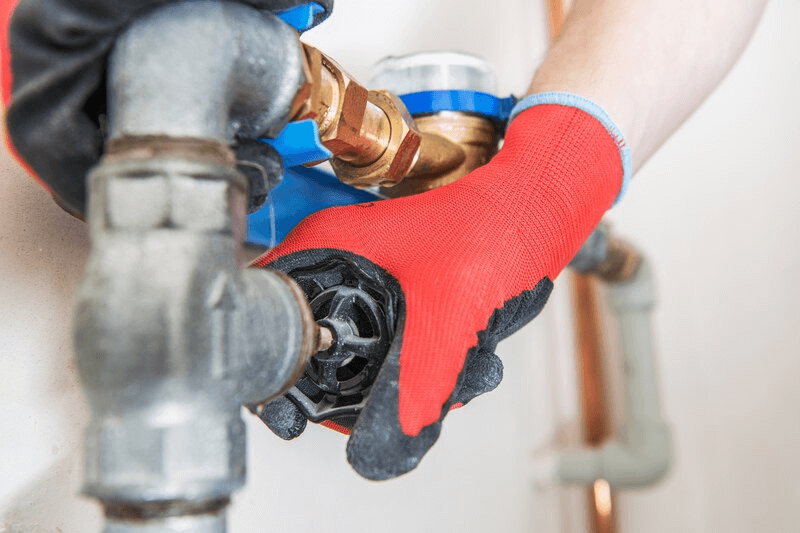
A vacant home is the perfect setup for frozen pipes, unless you plan smartly. Shut off the main water supply and drain the entire system, starting from the top floor down. Open all faucets, flush toilets, and use an air compressor to blow out any remaining water, plumbers do this for a reason.
Pour non-toxic RV antifreeze into sink traps, toilets, and floor drains to prevent freezing and evaporation, and leave faucets open to avoid pressure buildup if any residual water remains.
Turn down the thermostat, but don’t shut off heat entirely, keep it around 50–55°F to protect pipes and the structure. Leave interior doors open so warm air circulates, and have someone check the property periodically during cold spells.
Bonus: tape a reminder over your thermostat or water main so anyone checking the house knows the system’s been winterized. It’s not just about avoiding damage, it’s about peace of mind while you’re away. Proper plumbing winterization in vacant homes ensures everything stays intact until you return.
Plumbing Winterization Checklist
Once everything’s drained and sealed, double-check your work. Ensure shutoff valves are completely closed and not leaking, and inspect pipe insulation for gaps or wear. Check sump pumps and drains to confirm they’re clear and operational, and make sure faucets and hoses stay disconnected.
If you’ve used antifreeze, verify it’s still in traps, top it off if evaporated, and revisit valves, joints, and fittings after 24 hours to be sure nothing’s dripping from residual pressure. If you’re using heat tape, check the indicator lights and test the outlets, and don’t forget to inspect your sump pump discharge line, if it freezes outside, it can flood your basement indoors.
Think of it as a final walkthrough, your plumbing’s version of a flight pre-check. Winterizing house plumbing isn’t “set it and forget it.” It’s something you monitor and adjust as the temperature drops.
Frozen Pipes After Winterizing House Plumbing
Frozen pipes often whisper before they scream. Watch for no water or low pressure at certain fixtures, frost or condensation on exposed pipes, strange gurgling sounds, or damp walls and floors that hint at hidden leaks.
If you suspect a freeze, shut off your main water supply immediately and open faucets to relieve pressure. Warm the frozen area gradually with a hair dryer, heating pad, or space heater, never an open flame, since pipes can heat unevenly and split.
Once thawed, turn the water back on slowly while checking for leaks. And if a pipe bursts, kill the main, open your faucets again to relieve pressure, and call a plumber before it escalates from mess to mold. Quick, calm action limits damage, panic never helps, but preparation always does. That’s why winterizing plumbing properly is so critical before cold weather hits.
Easy Maintenance for Ongoing Winterizing Plumbing
Consistency pays off. Fix small leaks and drips, they can freeze fast and cause pressure spikes. Upgrade insulation in basements, crawl spaces, and exterior walls, and service your water heater and shutoff valves yearly to keep them working smoothly. That’s also a good time to schedule routine AC repair or servicing, ensuring your cooling system runs efficiently when temperatures rise again. Replace any valves that don’t fully close, and label all shutoffs so you can find them quickly when needed.
Track problem spots, once a pipe freezes, it’s likely to freeze again unless you change the conditions. Every spring, do a post-freeze inspection and fix those areas before you forget where they were.
Add pipe insulation or heat cables during remodels, not just before storms, and log your plumbing layout or take photos so you can locate hidden shutoffs easily. The best winterize home plumbing plan is built in the off-season, a little yearly attention turns winterizing plumbing from a panic project into a quick seasonal routine.


- Why Aquamarine and Diamond Rings Feel So Naturally BalancedEngagement rings are often chosen at an emotional moment, but they are worn through years of everyday life. As a result, many people are drawn to stones that feel calm, expressive and quietly enduring rather than overtly dramatic. Colour has become an increasingly important part... The post Why Aquamarine and Diamond Rings Feel So Naturally […]