


A clean, well-balanced pool starts with proper filtration. Among the most popular choices for residential pools, cartridge filters strike an ideal balance between efficiency, maintenance, and cost. Choosing the right one, though, means more than just picking the largest filter available. Your selection should match your pool’s size, how often it’s used, and how much maintenance effort you want to put in throughout the season.
This guide breaks down what to consider when selecting a cartridge filter that fits your specific pool setup and lifestyle.
Step 1: Understand How Cartridge Filters Work
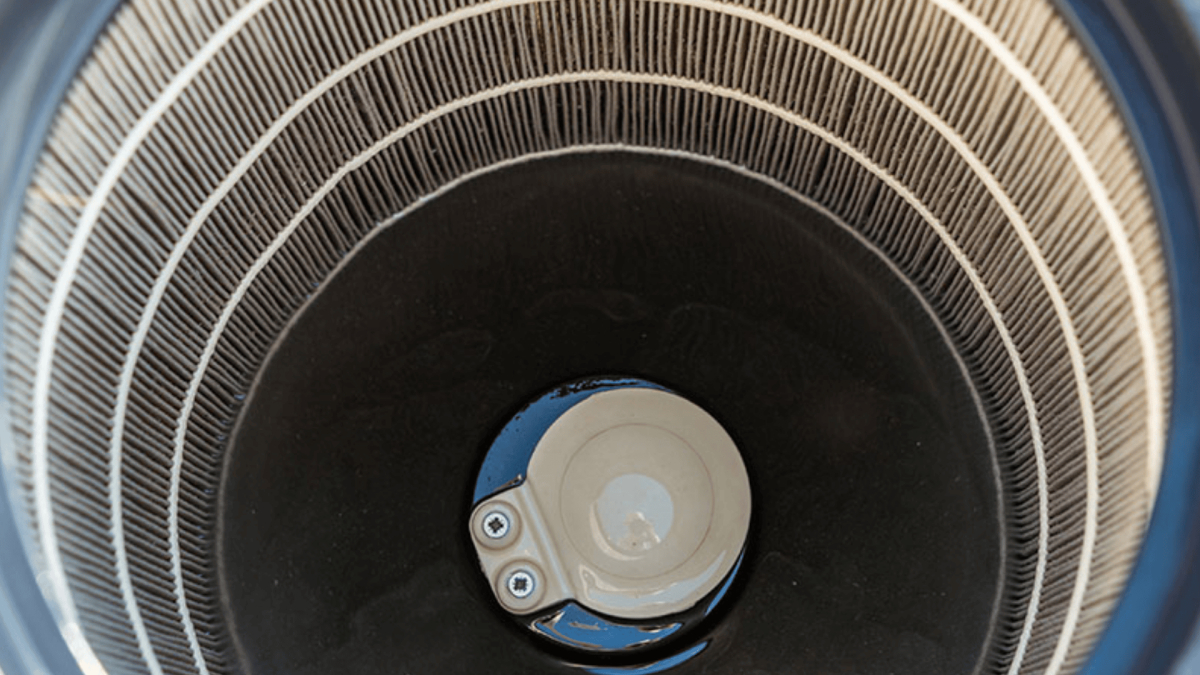
Cartridge filters use a pleated fabric element enclosed in a tank to trap debris as water flows through. The fabric surface captures fine particles like dirt, pollen, and oils, then sends clean water back into your pool. Unlike sand filters that require backwashing, cartridge filters need only occasional rinsing and replacement.
Because their filtration surface area is large, cartridge filters capture smaller particles while maintaining strong water flow. Many pool owners prefer them for their energy efficiency, quiet operation, and ease of maintenance.
Step 2: Match Filter Size to Pool Volume
Sizing a cartridge filter correctly is critical for performance and water clarity. A filter that’s too small will clog quickly and strain your pump, while an oversized filter can provide cleaner water with fewer cleanings.
Start by considering your pool’s volume:
- Small pools (up to 10,000 gallons): A filter with 50–75 square feet of surface area is usually sufficient.
- Medium pools (10,000–25,000 gallons): Aim for 100–150 square feet.
- Large pools (over 25,000 gallons): Choose 200 square feet or more for reliable circulation and reduced maintenance.
As a rule of thumb, it’s better to slightly oversize your filter. A larger surface area reduces cleaning frequency and improves circulation, especially during heavy use or after storms when debris levels spike.
Step 3: Factor in Pool Usage and Debris Load
Not all pools work at the same pace. A backyard pool used on weekends will have different filtration demands than a family pool used daily in summer.
Consider these use-based scenarios:
- Light use: For smaller families or pools used a few times a week, a moderate-size filter works fine.
- Heavy use: Pools with frequent swimmers, pets, or nearby trees may require a larger filter to handle higher levels of debris and oil.
- Seasonal use: If your pool sits unused during colder months, choose a filter that’s easy to remove, drain, and clean for storage.
Climate also plays a role. Warm, humid regions promote algae growth, requiring finer filtration and more frequent cleaning. Arid climates with dust or fine sand benefit from filters with dense pleating to trap smaller particles.
Step 4: Evaluate Maintenance Requirements
One of the most significant advantages of a cartridge filter is its easy maintenance. There’s no backwashing to waste water, and cleaning requires only a hose and mild detergent. Still, the filter’s size and design determine how often you’ll need to clean or replace the elements.
You’ll typically clean the cartridges every one to three months, depending on pool conditions. Some models use multiple cartridges in a single tank, offering more surface area and longer cleaning intervals. When the water pressure gauge shows a 7–10 psi increase, it’s time to rinse the cartridges.
Replace the elements every one to two years to maintain filtration efficiency. High-quality, reinforced materials extend the life of your filter and resist tearing from chemicals or debris buildup.
Step 5: Consider Brand Quality and Compatibility
Several trusted manufacturers produce cartridge filters in a range of capacities and price points.
Compare factors such as:
- Warranty length and manufacturer support.
- Compatibility with existing pumps and plumbing.
- Ease of accessing replacement parts.
- Availability of compatible cartridges in your local market or online.
Investing in a reputable brand ensures long-term reliability, even if it costs slightly more upfront. Filters from established pool equipment suppliers offer consistent performance and often support energy-efficient features for variable-speed pumps.
Step 6: Optimize for Long-Term Efficiency
Efficient pool filtration isn’t just about water clarity—it also affects your energy bills and equipment lifespan. Cleaning your cartridge regularly helps maintain a steady flow and reduces strain on the pump. Positioning your filter in a shaded area can also protect the housing and O-rings from UV damage.
If your pool uses an automation system or smart pump, check for filters designed for integrated monitoring. These newer systems can alert you when the pressure rises or flow slows, saving time and preventing neglect-related damage. Minor upgrades, such as replacing worn O-rings and tightening fittings annually, will also extend the system’s life. When your pool stays balanced and debris-free, chemicals last longer and maintenance becomes simpler.
Step 7: Choose Reliable Cartridges for Consistent Clean Water
The filter housing is only half the equation—the cartridges themselves determine how clean your water stays. Look for cartridges made from durable, UV-resistant materials with reinforced bands to prevent collapsing under pressure. Many pool owners prefer trusted options like these dependable pool filter cartridges, known for delivering consistent filtration quality and long service life.
When paired with proper cleaning routines and balanced pool chemistry, a good cartridge filter setup can keep your water sparkling clear all season long.


- Why Growing Workshops Need to Treat Abrasives as a Business Decision, Not a Consumables Line ItemA lot of Australian workshops still buy abrasives the same way they buy tea bags, gloves or bin liners. Someone spots a deal, a carton lands, the team uses it until it runs out, then the cycle repeats. That works for a while. It usually... The post Why Growing Workshops Need to Treat Abrasives as […]