
Let’s be honest for a second: we are all suffering from a mild case of digital exhaustion.
Our days are governed by the endless ping of Slack notifications, the anxiety of 47 open browser tabs, and the relentless glow of screens that follow us from our desks to our dinner tables. We have more “productivity” apps than ever before, yet somehow, we feel more scattered, overwhelmed, and behind than ever.
If you’ve been feeling this digital burnout, you are not alone. And the solution might be simpler, and more beautifully analog, than you think.
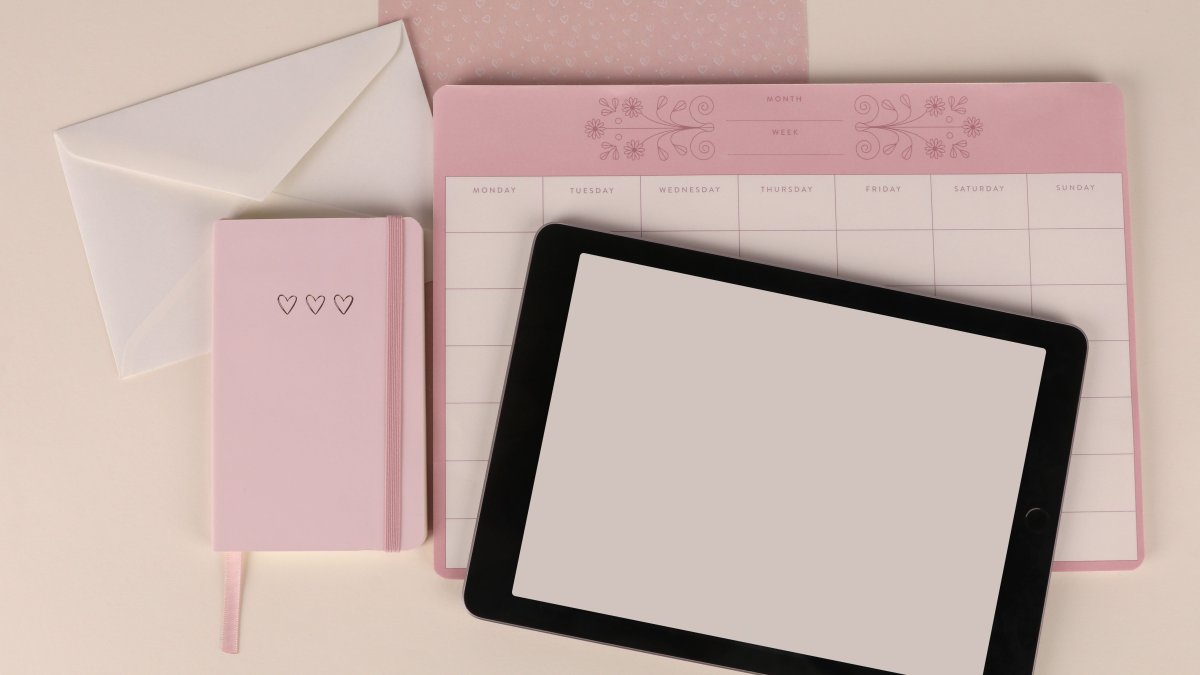
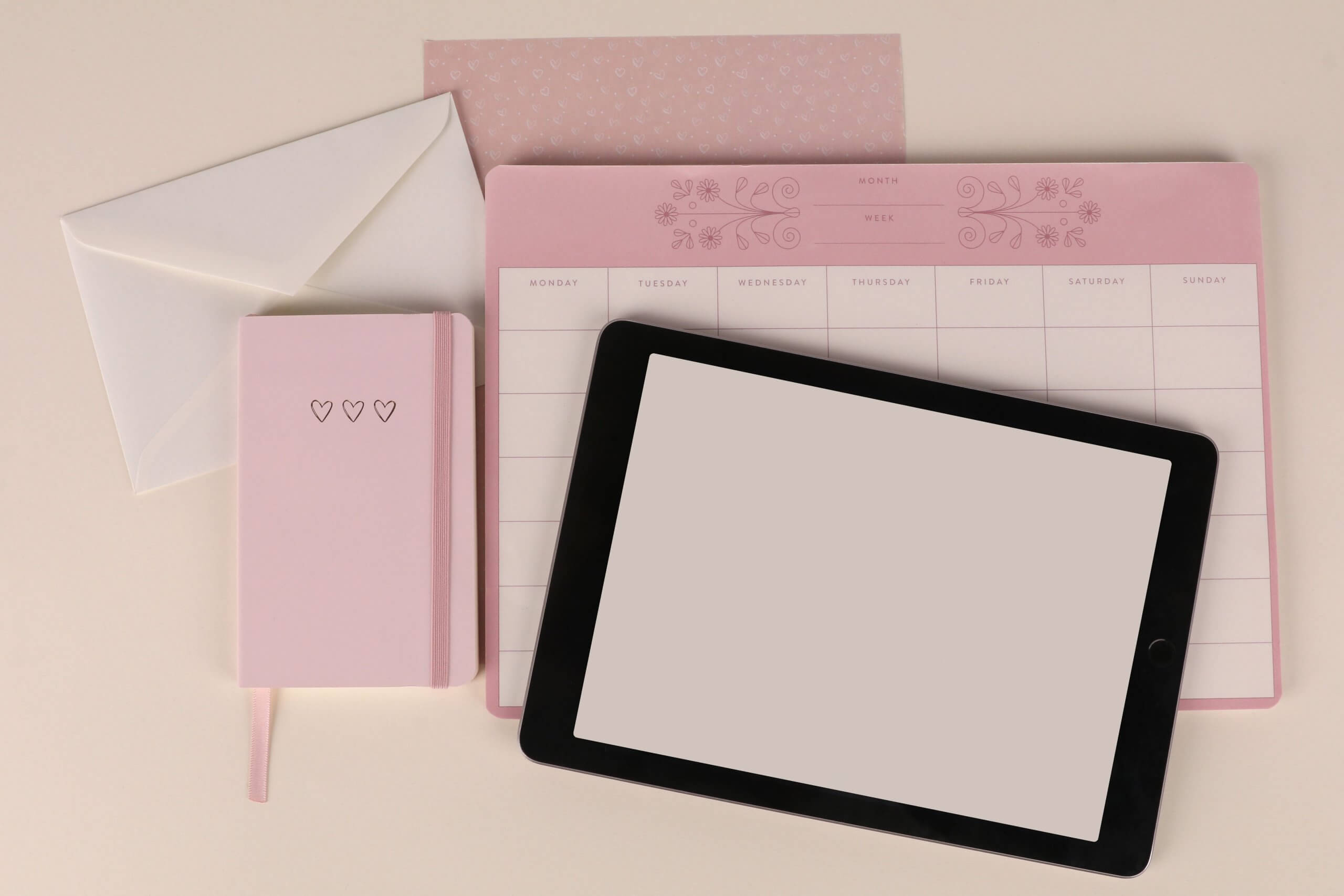
Reclaiming your time doesn’t require a more complicated app or a stricter color-coding system. Sometimes, the most radical act of self-care is simply closing your laptop, picking up a pen, and writing your intentions down on paper.
Here is why making the switch to a tangible, beautifully designed planning system might just be the reset your brain (and your schedule) has been craving.
The Magic of Moving at the Speed of Hand
There is a profound psychological difference between typing a to-do list and writing it by hand.
When you type, you are moving at the speed of your thoughts, which often leads to mindlessly dumping every single task onto a screen without really processing it. But when you write by hand, you are forced to slow down. You have to physically form each letter, which gives your brain a micro-moment to pause and ask: Do I actually need to do this? Is this a priority?
This tactile friction is a feature, not a bug. Studies have consistently shown that handwriting improves memory retention and cognitive processing. When you physically write down an appointment or a goal, you are signaling to your brain that it matters. It transforms a fleeting digital thought into a tangible commitment.
Creating a Visual Anchor in Your Space
Part of the stress of modern planning is that our schedules are hidden away in our pockets. Out of sight, out of mind, until a sudden, jarring phone notification reminds you that you’re late.
Bringing your schedule out of the digital ether and into your physical space changes the energy of your home or office. Hanging a beautifully illustrated 2027 wall calendar in your kitchen, entryway, or home office does more than just track dates. It acts as a gentle, visual anchor.
When you choose a piece that is genuinely beautiful to look at, perhaps one featuring hand-painted botanicals, whimsical landscapes, or rich, calming colors, it stops being a source of stress and starts being a piece of functional art. It invites you to glance at it with a cup of morning coffee, gently orienting yourself for the week ahead without the anxiety of a glowing screen. You can explore stunning, art-forward options like aRifle Paper Co. calendar to find a design that actually makes you want to engage with your schedule.
3 Gentle Rituals to Make Paper Planning Stick
Buying a gorgeous new planner or hanging up a fresh wall calendar is the fun part. But how do you actually build a habit around it without it feeling like another chore on your to-do list?
The secret is to keep it gentle, simple, and deeply personal. Try these three low-pressure rituals:
1. The “Sunday Sip” Review
Dedicate just 15 minutes on Sunday evening to look at the week ahead. Pair this with something you genuinely enjoy: a warm latte, a glass of wine, or your favorite lo-fi playlist. Open your planner, look at the beautiful illustrations, and gently map out your top three priorities for the week. No stress, no over-scheduling, just a quiet, intentional moment of preparation.
2. The Evening “Brain Dump”
Keep your planner open on your nightstand. In the last five minutes before you go to sleep, jot down anything that is looping in your mind. Did you forget to email someone back? Do you need to buy more coffee filters? Is there a random idea for a weekend project? Getting it out of your head and onto the page acts as a mental closing tab, quieting your mind for a much better night’s sleep.
3. Embrace the “No-Guilt” Blank Space
One of the best things about a physical planner is that it doesn’t judge you. If you miss a day, or a week, or an entire month, the pages don’t send you passive-aggressive push notifications. They just wait patiently for you to return. Give yourself permission to leave pages blank, to doodle in the margins, or to use your planner purely for gratitude lists instead of tasks. It is your tool; you get to define how it works for you.
The Bottom Line: Reclaim Your Time
Your time is your most precious, non-renewable resource. The tools you use to manage it should reflect that value, bringing you a sense of calm rather than chaos.
Ditching the sterile, stressful digital spreadsheets in favor of a planning routine that feels personal, grounded, and visually inspiring is a small shift with a massive impact. Whether you are mapping out a year of big dreams or simply trying to remember to call your mom on her birthday, doing it with a nice pen and beautiful paper makes all the difference.
Make this the year you stop letting technology dictate your pace. Close the tabs, pour the coffee, and start planning with joy.
The Analog Reset: Why Swapping Your Screen for a Beautiful Paper Planner is the Ultimate Self-Care


- AI Search KPIs: Measuring Visibility When Search Stops Sending ClicksWhen someone asks an AI assistant for a recommendation, they may get a complete answer without visiting a website. That makes familiar measures such as organic sessions an incomplete picture of search performance. The right AI Search KPIs help teams understand whether their expertise is... The post AI Search KPIs: Measuring Visibility When Search Stops […]