

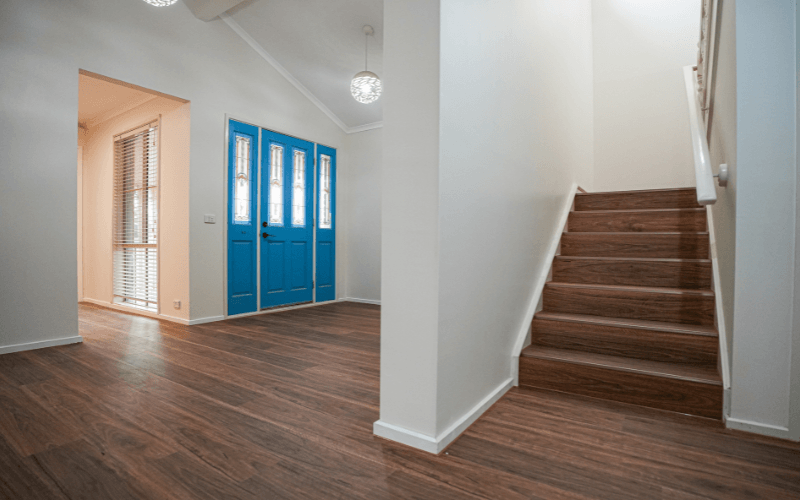
If your Melbourne home requires extensive structural work, you may be wondering whether it’s better to restore what’s already there or begin again with a brand-new home.
Navigating the renovate vs rebuild Melbourne decision can seem complex at first, but taking the time to understand the factors involved can make the process far less daunting. In the following sections, we’ll cover the key considerations that can help you move forward with confidence.
How Do You Know If Your Melbourne Home Needs Major Structural Work?
A home may require major structural work when damage affects its foundations, load-bearing walls, roof structure or overall stability. Cosmetic deterioration is often repairable, but recurring movement, moisture damage or visible deformation may indicate a deeper problem.
Common warning signs include:
- Wide or expanding cracks in internal or external walls
- Doors and windows that suddenly stick or no longer sit square
- Sloping, bouncing or noticeably uneven floors
- Gaps forming between walls, ceilings and floors
- Sagging rooflines or sections of the ceiling
- Leaning walls, chimneys or verandah posts
- Cracked brickwork with a stepped or diagonal pattern
- Persistent water entry, rising damp or timber decay
- Damaged stumps, footings or foundation components
- Repeated repairs that fail to resolve the same issue
A single hairline crack does not automatically mean the building is structurally unsafe. Melbourne homes can experience minor movement as soil moisture levels change. However, cracks that widen, return after repair, or appear alongside uneven floors should be professionally assessed.
Renovate vs Rebuild Melbourne: What Factors Should Homeowners Compare?
When comparing renovate vs rebuild Melbourne, consider the following factors:
1. Condition of the Existing Structure
Ask how much of the current building can be safely and economically retained.
Renovation may be suitable when:
- The foundations and main framework remain sound
- Damage is limited to specific areas
- The existing structure can support the proposed design
- Repairs can be accurately scoped and priced
Rebuilding may deserve stronger consideration when:
- Foundation problems affect several parts of the home
- Extensive restumping, underpinning or framing replacement is needed
- Structural defects are combined with plumbing, electrical and roofing issues
- The cost of making the building sound consumes a large portion of the budget
2. Total Project Cost
Compare complete project estimates rather than basic construction rates. A renovation quote may increase once demolition begins and concealed damage is uncovered.
Include costs such as:
- Structural repairs and temporary supports
- Demolition and waste removal
- Asbestos inspection and removal
- Architectural or drafting services
- Engineering assessments
- Soil testing and foundation data
- Planning and building permits
- Upgraded electrical, plumbing and drainage systems
- Temporary accommodation
- Landscaping and site restoration
- Contingency funds
Consumer Affairs Victoria recommends preparing a detailed estimate that includes fixtures and fittings, and adding 15 percent to cover unplanned building costs.
3. Desired Layout and Lifestyle
Consider how well the existing footprint can accommodate the household’s future needs.
A renovation can work well when the main goal is to:
- Open up living areas
- Add bedrooms or bathrooms
- Improve indoor-outdoor connections
- Create a home office
- Update the kitchen and shared spaces
- Preserve period features
Rebuilding may offer greater design freedom when homeowners want to change the building’s orientation, floor levels, ceiling heights, energy performance or overall layout.
4. Character and Emotional Value
Period façades, decorative ceilings, timber flooring and established architectural details can add character that is difficult to reproduce. Renovation allows these elements to remain part of the home.
Homeowners should still separate emotional attachment from structural practicality. Retaining original features makes sense when they can be integrated safely and without undermining the broader project.
5. Planning and Site Restrictions
Local planning controls can affect both options. Heritage overlays, neighbourhood character requirements, setbacks, vegetation protections and site access may influence what can be altered or demolished.
Before finalising a design, homeowners or their authorised representative should check with the local council about planning permit requirements. A building permit is separate approval confirming that the proposed plans and specifications comply with building regulations.
6. Construction Disruption
Major renovations can be complex because builders must work around existing structures, protect retained sections and respond to hidden conditions. Rebuilding provides a clearer site but includes full demolition and construction.
Compare:
- Likely construction duration
- Periods when the property cannot be occupied
- Temporary accommodation expenses
- Access for machinery and materials
- Disruption to neighbours
- The risk of delays caused by concealed defects
7. Long-Term Performance
The completed home should remain functional well beyond the immediate project. Consider energy efficiency, maintenance needs, accessibility, resale appeal and adaptability.
A lower initial price may not represent better value if the home still contains ageing systems or an inefficient layout. The stronger option is usually the one that delivers a sound, compliant and practical home within a realistic overall budget.
How Can an Experienced Melbourne Builder Help You Decide Whether to Renovate or Rebuild?
Deciding whether to renovate vs rebuild Melbourne is a significant investment, and an experienced builder can provide the expertise needed to make an informed choice. By assessing your home’s condition, project goals, budget and long-term plans, they can help determine which option offers the best outcome.
Provide an Honest Assessment of the Existing Home
Experienced builders understand how older Melbourne homes are constructed and where structural issues commonly occur.
They can evaluate:
- Structural integrity
- Existing building systems
- Previous renovation quality
- Potential hidden defects
- Feasibility of major alterations
This helps homeowners avoid investing in renovations that may not deliver lasting value.
Compare Both Options Objectively
Rather than recommending only one solution, an experienced builder can explain the advantages and limitations of both approaches.
This comparison typically includes:
- Estimated construction costs
- Expected project duration
- Design flexibility
- Approval requirements
- Potential construction risks
- Long-term maintenance expectations
An informed comparison allows homeowners to make decisions aligned with their priorities.
Identify Risks Before Construction Begins
Major structural work often uncovers hidden issues behind walls, under floors or within roof spaces.
Experienced Melbourne builders know how to identify common risks during the planning stage, reducing the likelihood of:
- Unexpected structural discoveries
- Significant budget increases
- Construction delays
- Design changes during the build
Early planning leads to smoother project delivery.
Coordinate the Right Specialists
Large structural projects often require collaboration between multiple professionals.
Depending on the project, the builder may coordinate:
- Structural engineers
- Building surveyors
- Architects
- Draftspersons
- Geotechnical consultants
- Building permit specialists
Managing these professionals through a single point of contact improves communication and keeps the project moving efficiently.
Help Balance Budget, Design and Practicality
Every homeowner has competing priorities.
An experienced builder helps find practical solutions that balance:
- Budget expectations
- Structural requirements
- Lifestyle goals
- Council compliance
- Construction feasibility
- Future property value
Rather than focusing on the cheapest option, they help identify the solution that offers the strongest long-term outcome.
Renovate vs Rebuild Melbourne: Make a Confident Decision for Your Property
Every home has its own story, and the best path forward depends on your unique needs and goals. If you’re considering the renovate vs rebuild Melbourne decision, take the time to consult experienced Melbourne builders who can guide you towards a solution that suits your property, budget, and lifestyle.
Renovate or Rebuild? What to Consider If Your Melbourne Home Needs Major Structural Work


- Cost of Living Trends in Dallas for 2026Dallas has a reputation for being affordable compared to coastal cities, and for a long time that reputation held up pretty well. But 2026 looks a bit different. Prices across the board have shifted, some in ways people expected and some that caught newer residents... The post Cost of Living Trends in Dallas for 2026 […]