

 If you have spent any time looking at fences around Australian homes, you have seen Colorbond steel even if you did not know its name.
The clean, solid, colour through steel panels have become the default boundary for a huge number of homes, and it is easy to see why.
Colorbond fencing balances durability, low maintenance, security and good looks in a way few other options match, which is exactly why it has become so popular.
This guide walks through what Colorbond fencing is, why homeowners choose it, what it costs in practical terms, and how to get the best result. If you are weighing up your fencing options, this is the rundown you need.
What Colorbond Fencing Actually Is
Colorbond is a brand of pre painted steel made specifically for Australian conditions. In fencing, it takes the form of interlocking steel panels held between steel posts and rails, creating a solid, continuous barrier with no gaps.
The steel has a baked on colour coating that runs through the product, designed to resist fading, chipping and peeling far better than paint applied on site.
The system is engineered as a complete kit, posts, rails, panels and accessories all designed to work together, which makes for a strong, neat and consistent finish.
It comes in a wide range of colours, so it can be matched to a roof, a house or a garden scheme.
Why So Many Homeowners Choose It
The popularity of Colorbond fencing comes down to a combination of practical strengths.
Durability comes first. Steel does not rot, it is not eaten by termites, and it does not warp or crack the way timber can. Built and installed properly, a Colorbond fence stands up to the elements and the years with very little drama.
Low maintenance is the close companion to durability. There is no need to sand, oil or repaint a Colorbond fence the way you would timber.
An occasional wash to remove dust and salt is essentially all it asks. For busy households, that freedom from upkeep is a major drawcard.
Privacy and security come built in. The panels form a solid barrier with no gaps to peer through and no easy footholds, giving good privacy and a real sense of enclosure. There is nothing for prying eyes or wandering pets to exploit.
Appearance rounds it out. The clean lines and contemporary colour range suit modern homes beautifully and sit comfortably with traditional ones too.
A fresh Colorbond fence looks crisp and tidy, and it holds that appearance for years.
For homeowners considering it, working with installers who specialise in colorbond fencing Perth wide ensures the panels are set straight, the posts are properly footed and the finish is as good as the product deserves.
How It Handles The Climate
One of the strongest arguments for Colorbond in Australia is how well it copes with the conditions. The coating is designed to resist the harsh ultraviolet that fades and degrades lesser finishes, so the colour stays true for a long time.
The steel does not absorb moisture, so the wet and dry cycles that torment timber have little effect.
In coastal areas, salt is the enemy of metal, and while standard Colorbond performs well, homes very close to the surf in suburbs like Scarborough or Cottesloe may benefit from Colorbond Ultra steel, a grade BlueScope makes specifically for severe marine environments.
A good installer will advise on the right specification for your location, which is one of the reasons local expertise matters.
What It Costs And Why
Colorbond fencing typically sits in the mid range of fencing costs, more than the cheapest timber paling but generally less than premium materials like rendered masonry or high end aluminium systems.
The exact figure depends on the height of the fence, the length of the run, the difficulty of the site, ground conditions and any gates or special features.
The more useful way to think about cost is over the life of the fence. Because Colorbond needs no repainting and rarely needs repairs, its running cost is very low.
A timber fence might cost less to install but then demands regular re oiling and eventually board replacement, while a Colorbond fence largely looks after itself.
Over fifteen or twenty years, that low maintenance burden often makes it the more economical choice overall.
Getting The Installation Right
Colorbond fencing is only as good as its installation. The panels and rails are well engineered, but they rely on posts that are correctly spaced, properly aligned and set in adequate footings.
Posts that are not concreted in correctly can loosen over time. Panels that are not set level look untidy and can rattle in the wind. Ground that slopes needs the fence stepped or raked neatly to follow the contour.
This is precision work, and it is where the difference between a professional job and a rushed one really shows. A well installed Colorbond fence is dead straight, sits cleanly to the ground, and has crisp, even panels and tidy capping.
Skimping on installation undermines an otherwise excellent product, so it is worth choosing experienced installers and not just the lowest quote.
Design Options And Finishing Touches
Modern Colorbond fencing offers more flexibility than many people realise. Panels commonly come in heights from 1.5 to 1.8 metres, with lattice or slat toppers able to lift a boundary to 2.1 metres or more where extra privacy is wanted.
Beyond the standard panel, there are slat options that allow some airflow and a more contemporary look, and a broad palette of around fourteen standard colours, from Monument and Woodland Grey to Surfmist, to coordinate with your roof and home.
Matching gates can be built in the same colour and style for a seamless finish.
Thinking about these options upfront lets you create a boundary that is functional and genuinely complements your home, rather than just a plain wall around the block.
Colour choice in particular is worth dwelling on, as it sets the tone for the whole property.
Caring For A Colorbond Fence
One of the great appeals of Colorbond fencing is how little it asks of you, but a small amount of care keeps it looking its best for the longest possible time. The main job is an occasional wash.
In most suburbs, rain does much of the work, but areas sheltered from rainfall, and any property near the coast where salt settles on surfaces, benefit from a periodic hose down.
For stubborn grime, a wipe with mild soapy water and a soft cloth or sponge is all that is needed. Harsh abrasives and strong solvents should be avoided, as they can damage the coating that gives the fence its durability and colour.
The other task is to deal promptly with any damage. If the coating is scratched or chipped, perhaps by a stray mower or a falling branch, exposing the steel beneath, touching it up with matched paint seals the spot before moisture can start any corrosion.
Keeping garden beds, mulch and sprinklers from constantly sitting against the bottom of the fence also helps, as it does with any boundary. That really is the extent of it.
Compared with the regular sanding and repainting a timber fence demands, the upkeep is minimal, which is a large part of why so many households choose it.
Colorbond And The Neighbours
Boundary fences are usually shared, and that brings a practical and a social dimension to any fencing project. In most cases a dividing fence between two properties is a shared responsibility, and there are sensible conventions, and in many places legal frameworks, around how neighbours agree on and contribute to a new fence.
Colorbond is so widely accepted as a standard, reasonable choice for a dividing fence that it often makes these conversations easier, since it is hard to object to as unreasonably expensive or unusual.
It pays to talk to your neighbour early and openly about a planned fence, agree on the type and how costs will be shared, and keep a record of what is decided.
A good fencing contractor can often help guide this process, having been through it many times, and can advise on what is typically considered a standard, fair specification.
Handling the neighbourly side well makes the whole project smoother and keeps relationships intact, which matters when you live alongside each other for years.
Common Questions Homeowners Ask
A few questions come up again and again when people consider Colorbond fencing. One is whether it fades, and the honest answer is that the coating is specifically engineered to resist fading and holds its colour very well over many years, far better than site applied paint, though like anything exposed to relentless sun it is not absolutely immune over decades.
Another is whether it gets hot, and darker colours do absorb more heat, which is worth bearing in mind if children play right against it, while lighter colours stay cooler.
People also ask whether it can be repaired if a panel is damaged, and the answer is yes. Because the system is modular, an individual panel can usually be replaced without rebuilding the whole fence, which is a real advantage over some other types.
Finally, many ask whether it suits sloping blocks, and it does, as the fence can be stepped neatly down a slope to follow the contour. Knowing the answers to these common questions helps homeowners approach the decision with confidence.
Is It Right For Your Home?
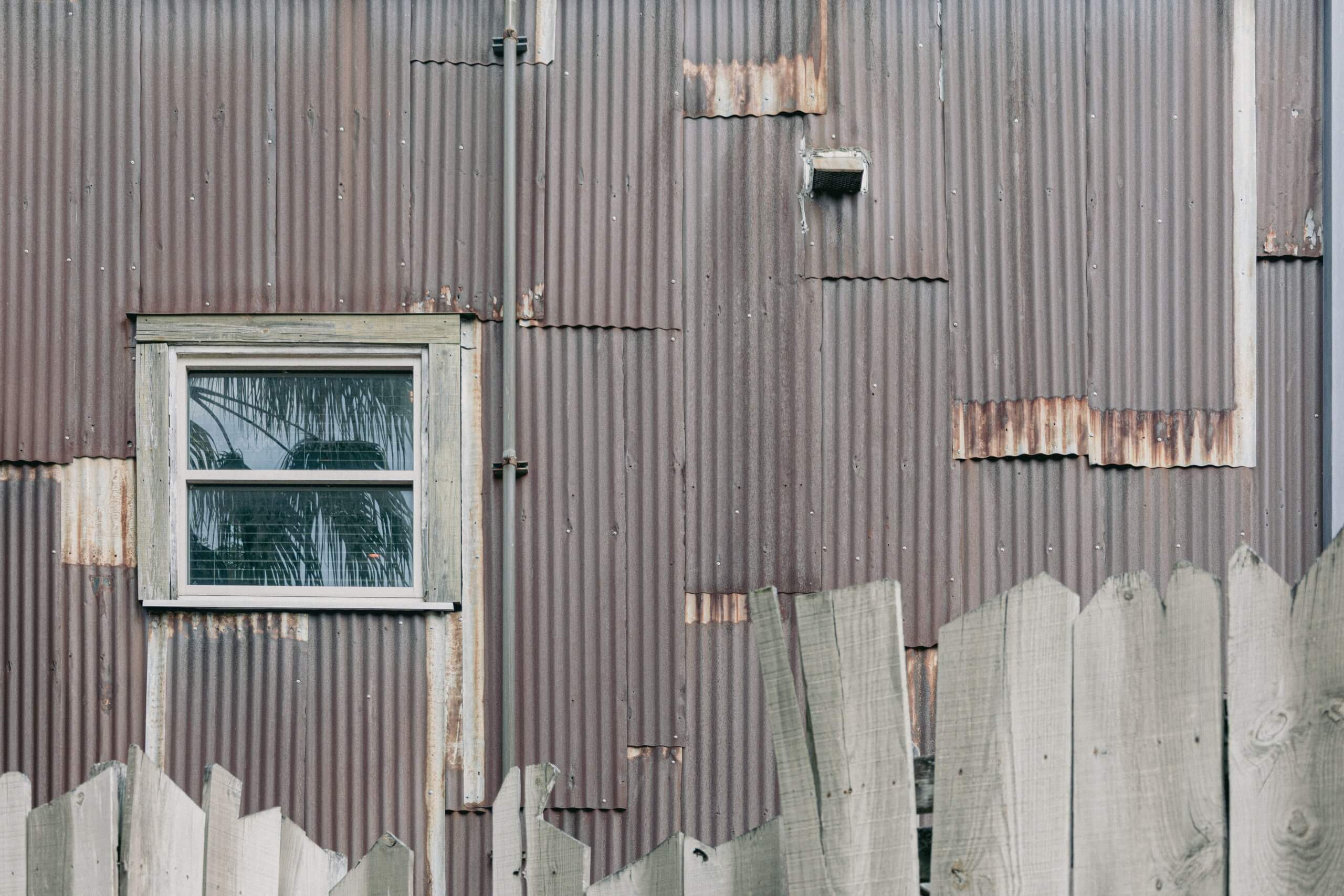 Colorbond fencing suits the vast majority of homes and households. It is ideal for families wanting durability and privacy, for busy owners who do not want maintenance, and for anyone after a clean contemporary look that lasts.
It is particularly well suited to Australian conditions, which is exactly what it was designed for.
There are situations where other materials might edge it out, a heritage home that calls for traditional timber or wrought iron, for instance, or a setting where a softer, more natural look is wanted.
But as an all round residential boundary, Colorbond steel is hard to beat on the combination of durability, low maintenance, privacy and value.
The Bottom Line
Colorbond fencing has earned its place as the default boundary. It delivers a tough, low maintenance, private and good looking boundary that handles the Australian climate with ease and holds its appearance for years.
Get the specification right for your location, invest in quality installation, and consider the design options that lift it from plain to polished, and you end up with a fence that quietly does its job and looks the part for decades.
For most homeowners, that is exactly what a boundary should be.


- How to Maximize Home Office Space in a Studio or One-Bedroom ApartmentAs more people continue working from home, renters are rethinking how they use every square foot of their apartments. A productive home office doesn’t require a dedicated room. With intentional design, even a studio apartment or one-bedroom layout can support focused work while still feeling... The post How to Maximize Home Office Space in a […]