

Replacing a roof is one of the bigger decisions a homeowner makes. It costs more than most renovations, it inconveniences the whole house for the better part of a week, and, unlike a kitchen or a bathroom, nobody compliments you on it at dinner parties. It’s also one of the most consequential investments in a home. The roof is the single most important system protecting every other part of the building, and when it’s time, stretching it out another year tends to cost more than acting now.
The tricky part is knowing when “time” actually arrives. Some roofs clearly tell you. Others look acceptable from the ground well past the point where they should have been replaced. Here’s how to tell the difference between a roof that needs patching and one that needs replacing.
Age Is the First Question
The most reliable starting point is simply the age of the existing roof. Asphalt shingles, the most common roofing material in Calgary, typically last fifteen to twenty years in Alberta’s climate, despite manufacturer warranties that advertise longer lifespans. The difference between the warranty and the actual performance comes down to UV intensity at elevation, hail frequency, and freeze-thaw cycles.
Metal roofs last considerably longer, often forty to fifty years. Cedar shakes fall somewhere between ten and thirty, depending heavily on maintenance and exposure. If your roof is approaching the upper end of its expected life, it’s not a question of whether it needs replacement but when.
Repairs Are Starting to Stack Up
A single repair every few years is normal. A new repair every season is a message. When a roofer finds a leak and patches it, then finds another leak in a different spot six months later, then another the following spring, the shingles are telling you the whole system is failing in parallel.
At that point, continuing to patch is usually more expensive than replacing. Each repair costs a service call minimum. Each new leak does a little more damage to the sheathing underneath. Over two or three years, the math almost always favors a full replacement.
Damage Is Widespread, Not Localized
Storm damage concentrated on one slope can often be repaired. A tree branch that took out a section near the eaves, for example, is usually a patch. Widespread damage across the entire roof is a different situation.
Calgary homeowners see this pattern often after big hailstorms. A roof that looks fine from one angle but has dents on every slope, gutters dimpled on every side of the house, and granules washed out of shingles across the whole surface is a replacement candidate. Partial repairs on a storm-damaged roof rarely match well, and the rest of the shingles are often already compromised even if they look intact.
The Sheathing Underneath Is Compromised
Sometimes the decision isn’t really about the shingles at all. The plywood sheathing underneath can rot when water has been getting in for a while, even slowly. A roofer who walks on a roof and feels it flex, or who steps on a soft spot, is finding evidence the structure below has been wet for long enough to matter.
Sheathing repairs can be done as part of a replacement, but they can’t reasonably be done while keeping the old shingles in place. Once the underlayer is suspect, the roof as a whole is suspect.
Energy Bills Are Climbing Without Explanation
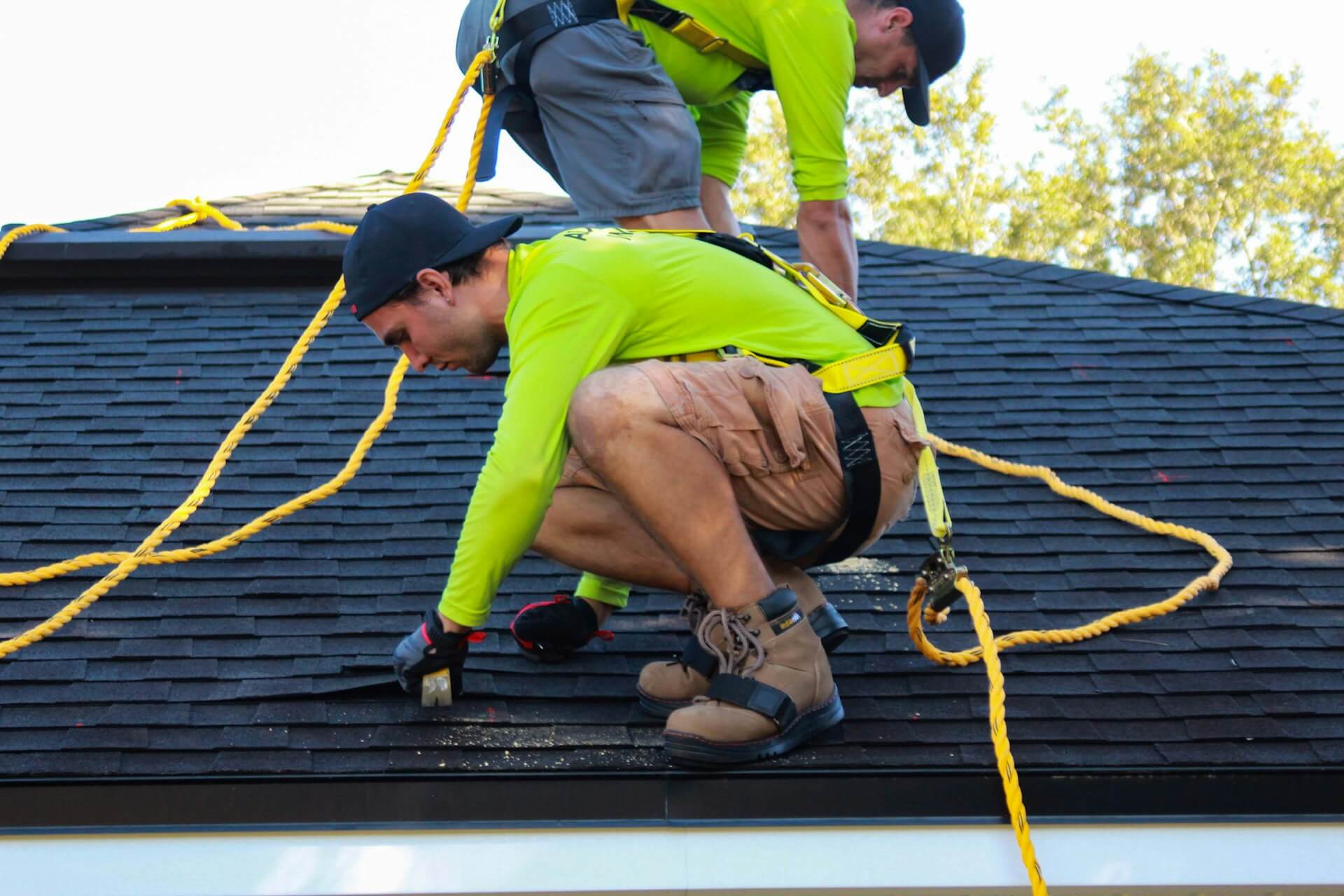
A failing roof does more than leak. Poor shingle condition, deteriorated underlayment, and compromised attic ventilation all make it harder to keep the house at a stable temperature. Summer heat builds up under a damaged roof and radiates into the top floor. Winter heat escapes through the same weak spots.
According to Natural Resources Canada, the building envelope, which includes the roof, walls, and foundation, plays a major role in a home’s heating and cooling costs. A roof replacement that includes modern underlayment, adequate insulation in the attic, and properly balanced ventilation often pays back a noticeable amount of its cost in reduced utility bills over the years that follow.
You’re Planning to Sell
If a sale is in the realistic medium-term plan, the age and condition of the roof becomes a negotiating point. Buyers and their inspectors notice. A roof with five or fewer years of remaining life shows up in inspection reports, and buyers use it to ask for price reductions, credits, or replacements before closing.
In many cases, homeowners who replace the roof before listing recover most of the cost in a higher sale price and a smoother negotiation. Kymand Roofing Contractors often see homeowners make that call a year or two before they plan to sell, giving them time to enjoy the new roof themselves before passing the benefit along.
The Look Is Holding Back the Whole House
Roofs occupy a huge portion of a home’s visible exterior, often more than the siding. A roof that’s faded, patchy, or missing shingles quietly drags down the appearance of everything else. A freshly shingled roof, particularly in a well-chosen modern color, can transform the curb appeal of a house without touching anything else.
This matters more than it sounds. Real estate agents have long known that exterior impressions shape how buyers feel about a home before they walk through the door. The same is true for owners. Pulling into your own driveway and feeling good about how the house looks is one of the quiet pleasures of a well-maintained property.
What a Full Replacement Actually Involves
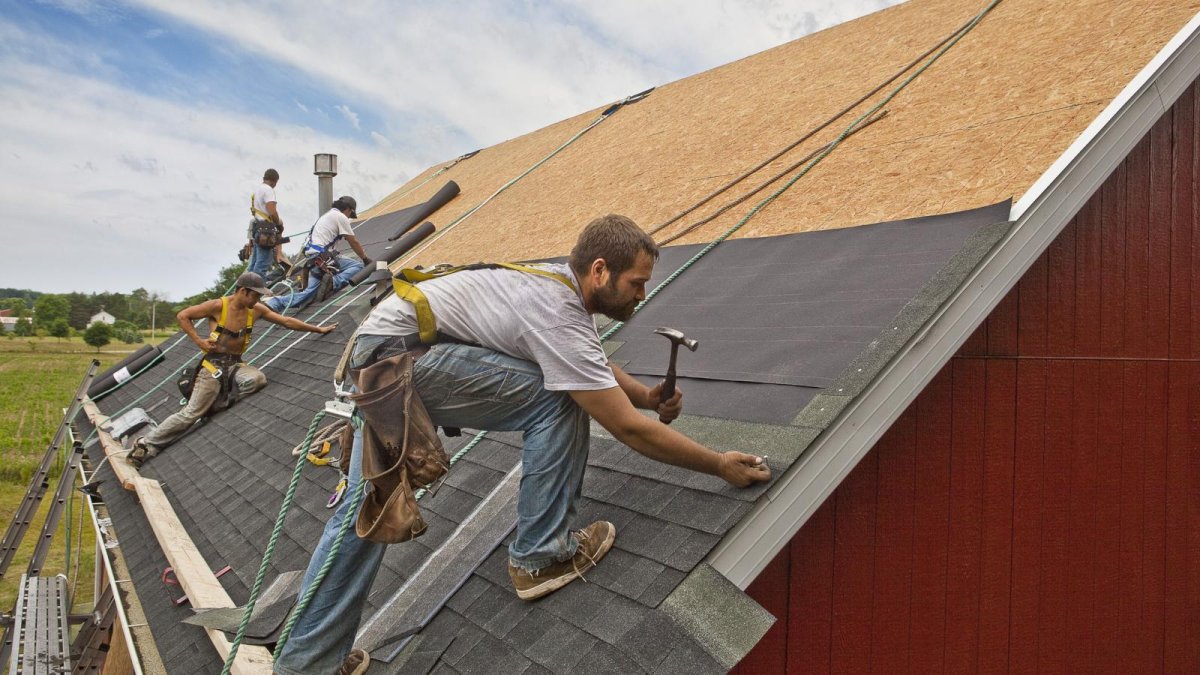
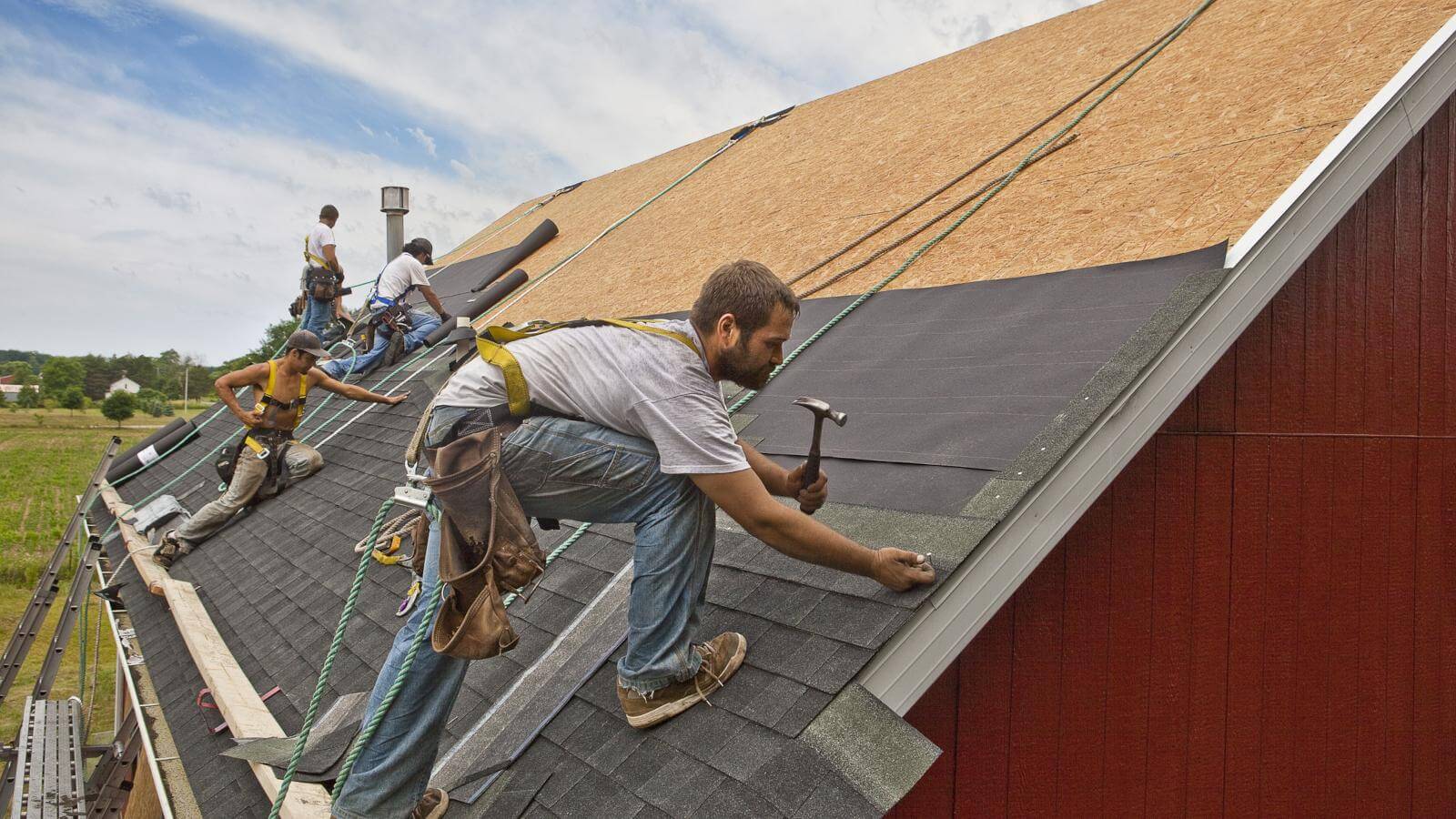
A typical replacement takes one to three days on a standard Calgary house, depending on size, complexity, and weather. The old roof comes off first, usually dumped directly into a bin parked by the driveway. The sheathing gets inspected and repaired where needed. New underlayment, ice-and-water shield in the valleys and eaves, and flashing around penetrations go on before any shingles are installed.
A professional crew protects landscaping, keeps the site clean, and does a magnetic sweep of the yard afterward to pick up stray nails. The whole process is disruptive but short. When it’s done, the house has a new top that should last decades.
Questions to Ask Before Signing a Contract
Before you commit to any roofer, ask a few specific questions. What warranty covers the workmanship, and how long does the manufacturer warranty on materials last? Is the crew employed directly by the company or subcontracted? What happens if the crew discovers unexpected damage under the old shingles, and who decides how to handle it?
Written answers to those questions tell you more about a contractor than any brochure ever will.
The Right Time Is Sooner Than You Think
Most homeowners wait too long to replace their roofs, not too early. The signs are usually there for years before the leak that forces the decision. Acting on age, repair history, and condition before an emergency gives you time to choose materials carefully, compare contractors properly, and avoid the premium that comes with rushed decisions after a storm. The next storm is always coming. A new roof is the best thing you can have waiting when it arrives.


- How to Maximize Home Office Space in a Studio or One-Bedroom ApartmentAs more people continue working from home, renters are rethinking how they use every square foot of their apartments. A productive home office doesn’t require a dedicated room. With intentional design, even a studio apartment or one-bedroom layout can support focused work while still feeling... The post How to Maximize Home Office Space in a […]