
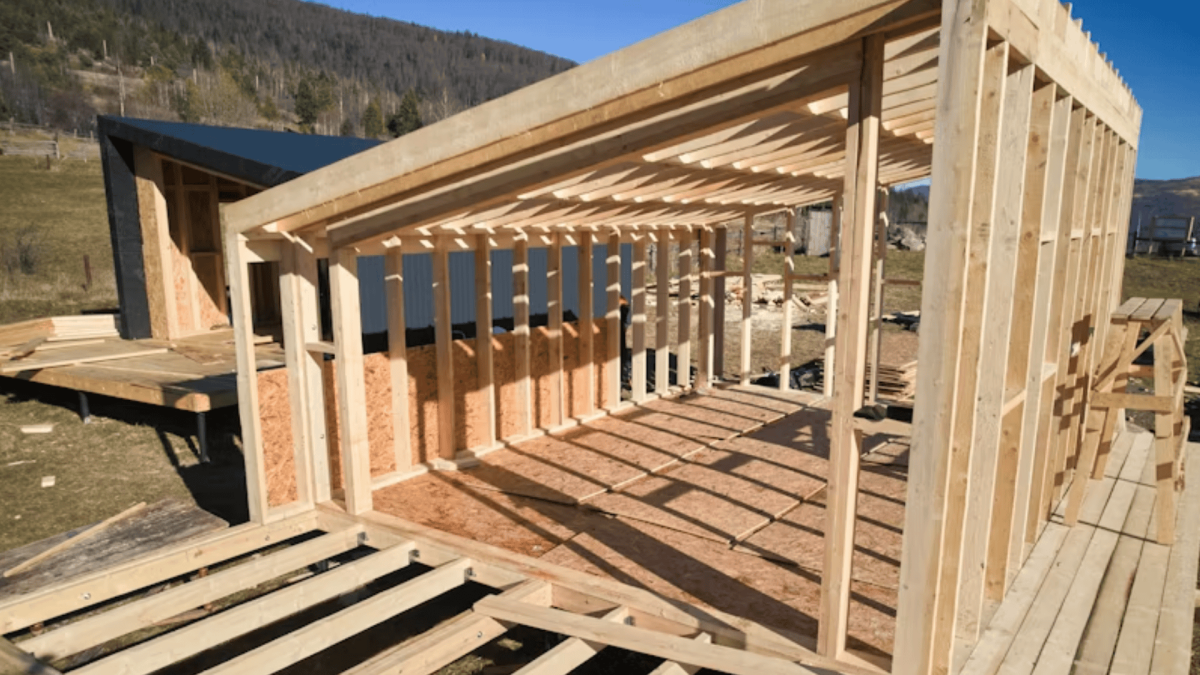

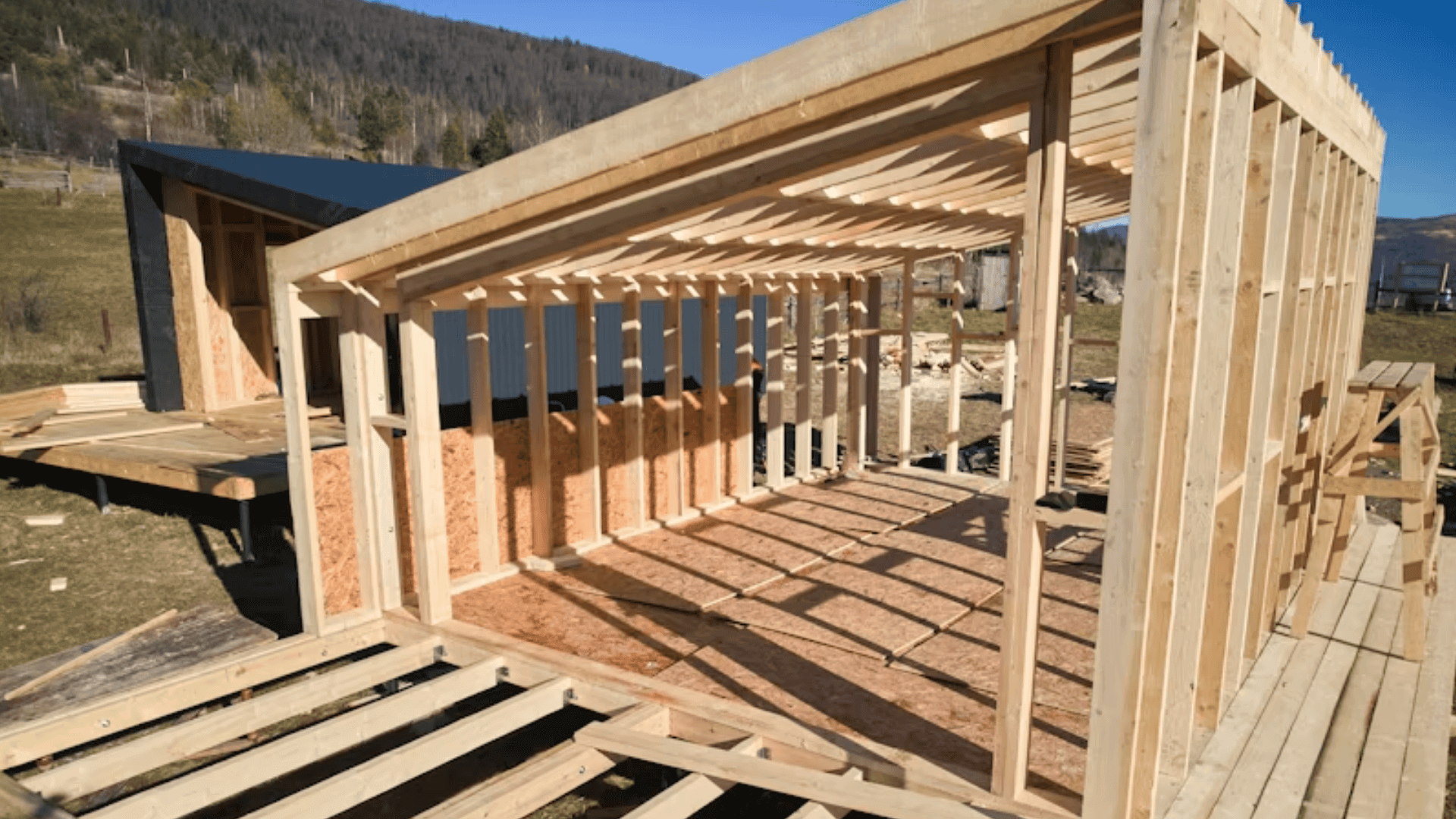
A custom shed comes together when ideas are shaped around how space actually gets used on the property.
Working with a shed designer brings everyday details into focus, like movement through the yard, storage habits, and how the structure fits alongside the house. That way of thinking naturally leads into practical guidance that helps turn early ideas into a workable plan.
Clarify How the Shed Fits Your Home and Garden
Decide early what problem the structure is meant to solve around the house. You might be tired of moving garden gear every weekend, or of tools ending up against fences or near the back door wherever space appears. Those small frustrations usually point to the right size and layout without overthinking it.
This is also where economical storage buildings for residential properties come up naturally, especially when the aim is getting order back without eating into outdoor living space. When daily use is clear, later choices stop feeling vague.
Provide Accurate Site and Backyard Details
Share real measurements and conditions so plans match what is actually on the block. Slight slopes, narrow access, or nearby fences often change placement more than expected. Missing these details tends to cause delays once drawings are underway.
This stage also brings approvals required for sheds into focus, since council checks often depend on height and boundary distance. Getting the site details right early usually avoids sudden changes once drawings are already in progress.
Review Layouts Using Visual Design Tools
Use visual layouts to test whether the space feels workable once walls and openings exist. You may notice certain areas feel cramped when pictured properly, or that access points sit in awkward spots for regular use. These issues usually surface only when the layout is visible.
Adjusting things here feels easier than living with small annoyances later. It helps turn plans into something that fits how you actually move around the space.
Align Design Choices with Budget Priorities
Money usually gets tricky once the ideas start piling up. You look at one option and think it might be handy, then wonder how often it would really get used after the first few weeks.
Some things feel exciting during planning, then quietly fade into the background once routines return. Others fix small annoyances you already live with, which is why they end up mattering more than expected.
Talking through costs works better when the focus stays on individual parts of the build. It is easier to say yes or no when you can picture how that one choice fits into everyday use, instead of staring at a total number and guessing what should be cut.
Plan for Council Requirements and Future Use
Council checks are easier to deal with before everything feels finished. Rules around size and placement can stop progress fast if they get left too late. At the same time, it helps to think past approval and into how the space might get used over time.
Storage has a habit of growing without much notice. Vehicles change. Your needs shift.
Leaving a bit of room to adapt now usually saves hassle later, once the shed becomes part of normal routines instead of a new project.
Get in touch with Best Sheds today to discuss your options on customised outbuildings on your property.


- Weatherproof Cladding Materials: Which Ones Skip the UpkeepA sudden summer storm rattles the shutters, and by morning a faint bubble has formed under the paint near a corner post. That small blister is often the first visible sign that a home’s exterior cladding is losing its fight against weather. For homeowners planning... The post Weatherproof Cladding Materials: Which Ones Skip the Upkeep […]