

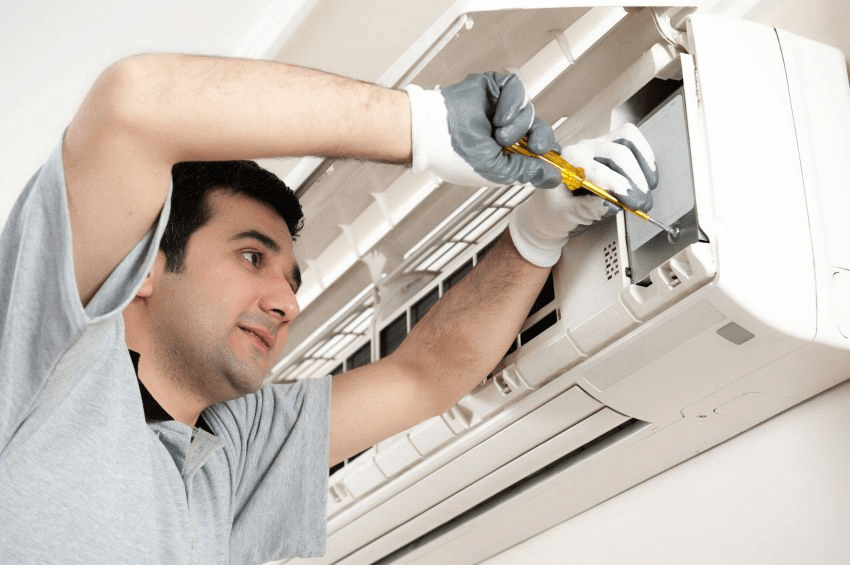
Air conditioning is one of the cornerstones of American home comfort — but your AC does need looking after. Neglect can lead to higher energy use, a shortened system lifespan or more frequent repairs. If you schedule AC maintenance carefully, you can prevent most problems before they begin. Here’s a deep dive into how to set up a proactive routine, which preventive tasks you can carry out yourself, how to plan for the seasons and how trusted professionals can help.
Why Scheduling Regular AC Maintenance is Crucial
If you’ve ever skipped car servicing and then paid for it with a major repair bill later, you know how little issues can add up. Your air conditioning system works on the same principle — small, timely steps can prevent costly failures in the longer term.
Yet most homeowners do not have a regular upkeep schedule for their AC. For example, a survey of Indiana households found that only 31% had a maintenance plan, despite the majority finding it difficult to pay for unexpected repairs.
The good news is that scheduling AC maintenance is not as complicated as you may think, and doing so has many benefits.
Energy Efficiency and Lower Bills
Heating and cooling combined account for 52% of energy use in a typical home. When filters clog or coils get dirty, the system has to work harder, driving up electricity consumption. With such a high percentage of energy costs stemming from your HVAC system, even minor improvements in its efficiency can result in lower bills.
Better Indoor Air Quality
Every time your AC cycles, it circulates air through filters and coils. Without regular cleaning, dust, pollen and mold spores build up and reenter your home. Poor indoor air quality has been linked to a number of health concerns, including respiratory issues and worsening asthma. When you schedule AC maintenance, cleaning ducts, coils and drains directly improves the quality of the air your family breathes.
Extended Lifespan and Reduced Repair Costs
Proper upkeep can extend the lifespan of your air conditioning equipment. A clogged condensate line, for example, is a cheap fix if spotted early. Left unfixed, it could lead to water damage, mold growth or major component failure.
Preventive care is cheaper than reactive repairs. For example, instead of paying $1,200 to $2,800 for a compressor replacement, a simple refrigerant top-off or wiring repair during a tuneup may keep everything running smoothly.
Warranty Compliance
Many warranties require proof of regular service. Neglecting annual checkups could void coverage, leaving you responsible for expensive parts and labor.
Consistent Comfort
Efficient air conditioning ensures your home stays comfortable. With a tuned system, you’ll enjoy even cooling, fewer hot spots and better humidity control — this can make the difference between barely tolerable summers and comfortable living.
10 Steps to Schedule AC Maintenance Without Fuss
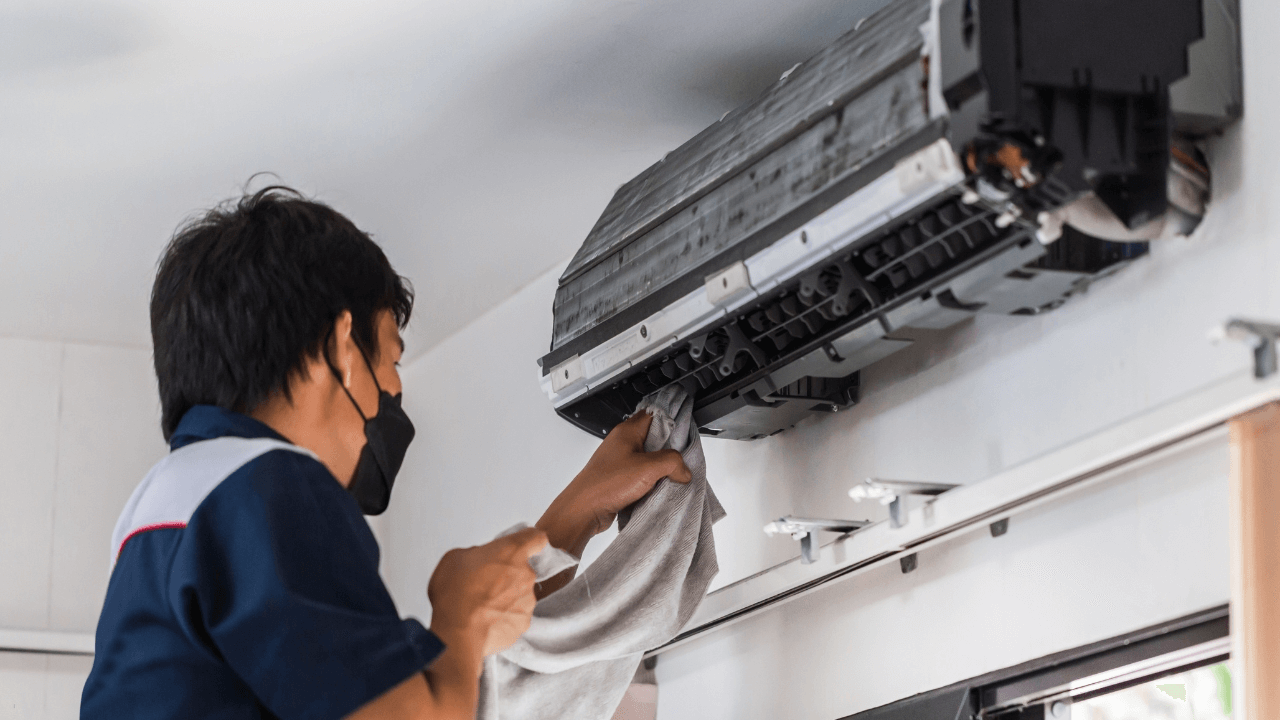
All air conditioning systems have the same core components — compressor, condenser coil, evaporator coil, refrigerant, blower and thermostat.
Each of these needs maintenance. Coils lose efficiency when dirty, refrigerant leaks reduce cooling power and clogged filters strain the blower. A regular timetable keeps everything working smoothly and in balance. Here’s how to set one up:
- Assess your system: Identify your AC type and its manufacturer recommendations. Central air, ductless systems and heat pumps have slightly different needs, so your schedule must be tailored accordingly.
- Review your warranty: Check your documentation for specific service intervals required to avoid losing coverage.
- Decide on DIY vs. professional tasks: All homeowners can handle replacing filters and keeping outdoor units clear of debris. If confident, you can also clean the coils and clear the drain line. Other tasks may be best left to the experts.
- Research HVAC providers: Create a shortlist of local providers with strong reviews, licenses and certifications. A good firm becomes part of your maintenance plan.
- Consider national options: Some larger companies offer standardized service across states. They may provide more consistent pricing and robust scheduling apps.
- Schedule annual inspections: Aim for at least one professional tuneup annually, ideally in the spring. This prepares your system for summer’s heavy load.
- Set DIY reminders: Use your phone or calendar to set regular reminders for tasks like monthly filter replacements.
- Automate filter delivery: Subscription services mail filters directly to you on a set timetable. Having them on hand makes it easier to stick to your upkeep plan.
- Keep records: Log service visits, DIY and any issues. This helps track performance and supports any warranty claims.
- Adapt over time: Adjust your pattern to fit your system’s performance, budget and changing household needs.
Following these steps builds a rhythm that will ensure nothing is overlooked.
Putting It All Together — Your Ideal AC Maintenance Schedule
Having worked out what you need, what you are comfortable DIY-ing and which HVAC provider you want to work with, you can start to schedule AC maintenance tasks and appointments. Here’s an overview of what likely needs to be done and when.
| Task | Frequency | Timing | DIY or Professional | Benefits |
|---|---|---|---|---|
| Inspect and clean coils | Annually | Spring | Either | Improved efficiency and extended lifespan |
| Change the air filter | Monthly | Throughout the year | DIY | Improved air quality and efficiency |
| Clean outdoor unit | Biannually | Spring and fall | DIY | Improves airflow, prevents overheating |
| Clear debris around the unit | Monthly | Throughout the year | DIY | Improves airflow, prevents damage |
| Inspect ductwork | Annually | Spring | Professional | Prevents leaks, improves air quality |
| Check refrigerant levels | Annually | Spring | Professional | Gives optimal cooling, prevents damage |
| Lubricate moving parts | Annually | Spring | Professional | Reduced friction, quieter operation |
| Test electrical components | Annually | Spring | Professional | Ensures safety, prevents breakdowns |
| Inspect and seal windows and doors | Annually | Fall | DIY | Prevents air leaks, energy savings |
| Clear the drain line | Biannually | Spring and fall | DIY | Prevents water damage and mold growth |
| Calibrate thermostat | Annually | Spring | Either | Accurate temperature control and energy savings |
| Check thermostat settings | Monthly | Throughout the year | DIY | Adjust to family’s needs. |
Seasonal AC Maintenance
Looking at the tasks by each season can help simplify them further.
- Spring: Book professional tuneups, replace filters every month, clean coils, remove outdoor litter, clean the outdoor unit, clear the drain line and calibrate the thermostat.
- Summer: Monitor performance, remove outdoor debris, replace filters monthly and check humidity levels.
- Fall: Prepare systems for heating mode, clean the outdoor unit, remove litter, clear the drain line and protect outdoor units with breathable covers.
- Winter: Inspect for damage, protect units from ice, replace filters every month and schedule any necessary repairs before spring.
By staying one step ahead of each season, your air conditioning system will always be ready for its upcoming usage.
Exploring Your Professional HVAC Partner Options
When scheduling the expert elements of your regular AC maintenance, you have several options.
Local HVAC companies are often praised for personalized service and quick emergency response. National or multi-state providers may sometimes feel less personal but can typically offer apps, standardized pricing and broader plan options.
For many homeowners, the best solution is a maintenance contract with a trusted partner is the best solution. These agreements guarantee annual or biannual tuneup visits and usually offer priority scheduling and discounted rates. This also provides predictability for your budget, as you will know in advance how much you are paying and when.
How Strada Services Can Help with Scheduled AC Maintenance
Strada Services is a standout HVAC firm that partners with households for regular preventive maintenance. Founded in 2003, this family-owned business has become a trusted provider in Florida, Georgia, Tennessee, Alabama, North Carolina and beyond.
Strada shines for the breadth and depth of its AC services — everything from annual tuneups and emergency repairs to full system replacements. It offers two preventive maintenance plans, Classic or Premium, each of which offers a 15% discount on repairs and reduced diagnostic fees, as well as either one or two included annual tuneups.
Its expert technicians follow a 26-point maintenance checklist that includes everything needed to keep your system running at peak efficiency, so if you are not confident in managing some of the DIY elements yourself, you do not need to worry.
Strada offers 24/7 online scheduling, so you can book your appointments anytime, which is a major plus for convenience. The company also provides 24/7 services for emergencies. Strada backs up its expertise and experience with an extended 10-year labor warranty.
The firm’s value goes beyond HVAC. It also offers electrical, plumbing, heating and home security expertise, which means one trusted provider can handle multiple aspects of your home’s needs. If an AC issue stems from wiring or plumbing, you won’t need to juggle multiple contractors.
Strada’s customer reviews highlight professionalism, punctuality and thorough workmanship. Combined with frequent promotions, such as discounts on indoor air quality products, the firm makes year-round comfort accessible and affordable. For homeowners who want to schedule AC maintenance quickly, conveniently and easily, Strada Services offers a complete solution.
How to Choose a Professional AC Maintenance Plan
Strada Services is a strong example of what to look for when selecting a firm to handle your preventive maintenance. To choose a provider in your area:
- Ask family and neighbors for recommendations.
- Read and assess reviews.
- Check for proper licensing and insurance.
- Consider years in business and air conditioning experience.
- Review whether the plan offered meets your needs and budget.
- Get multiple quotes to compare pricing and service levels.
- Inquire about warranties to ensure the company stands behind its work.
- Look for professionalism and responsiveness to your initial contact.
How to Perform Basic DIY AC Maintenance Tasks
Many DIY tasks in the schedule are easier than you might think, but if you are unsure, check for how-to guides online or wait for your next service visit. To get you started, here’s a rundown of how to perform the most common tasks.
How to Clean or Replace AC Air Filters
This involves removing the unit’s air filter and either cleaning it, if it’s a washable filter, or replacing it with a new one. Locate the filter compartment — usually behind a removable panel on the indoor unit. Remove the filter and either vacuum it clean or dispose of it, and then insert a new filter of the correct size and type.
How to Check Thermostat Settings
It’s important to verify that the thermostat is operating correctly for optimal comfort and energy efficiency. Ensure it is on “cool” mode and set for the desired temperature. Replace the batteries, if applicable. Set the thermostat a few degrees higher when you are away from home to save energy. Avoid setting it too low, as this will strain the unit and increase consumption.
Consider using a programmable or smart thermostat to automate temperature control. This is environmentally sound and can also significantly reduce your bills. The average household can save around 8% by using an Energy Star smart appliance.
How to Clean the AC Coils
This means cleaning the unit’s evaporator and condenser coils to remove dust and dirt. Dirty coils reduce the unit’s ability to transfer heat, leading to decreased efficiency and loss of cooling performance.
Turn off the AC unit’s power. Use a soft brush or vacuum cleaner with a brush attachment to remove dust and loose debris from the coils. You can also use a commercially available coil cleaner to remove stubborn dirt and grime, but be careful not to damage the delicate fins.
How to Clear the Drain Line
This involves removing any obstructions in the unit’s condensate drain line. Clogs can cause water to back up into the unit, leading to water damage and mold growth. Locate the drain line — which is usually a PVC pipe near the indoor unit. Use a wet and dry vacuum to suck out any debris.
You can also use a stiff wire or pipe cleaner to dislodge stubborn obstructions. Pour a cup of white vinegar down the drain line to help prevent future clogs from forming.
Schedule AC Maintenance For Comfort, Efficiency and Cost Savings
Your air conditioner is one of the hardest-working systems in your home. With regular proactive maintenance, you can ensure comfort and reliability all year long. A structured timetable, supported by reminders and professional tuneups, pays for itself through lower bills, fewer repairs and peace of mind. A schedule is easy to set up and, once you are used to it, requires minimal fuss. Set yours up today and enjoy your air conditioning to its fullest.


- How to Maximize Home Office Space in a Studio or One-Bedroom ApartmentAs more people continue working from home, renters are rethinking how they use every square foot of their apartments. A productive home office doesn’t require a dedicated room. With intentional design, even a studio apartment or one-bedroom layout can support focused work while still feeling... The post How to Maximize Home Office Space in a […]