

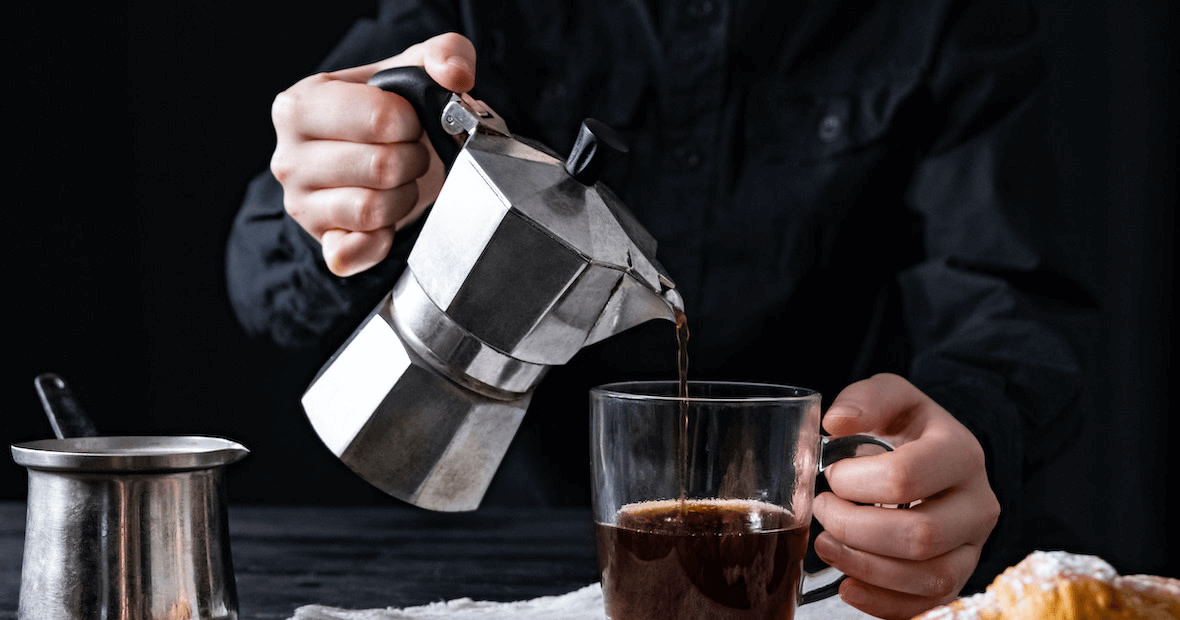
An electric coffee percolator offers a simple way to brew a strong, flavorful cup without complicated steps. Unlike drip machines, it cycles hot water through the grounds multiple times, which creates a deeper taste. To get the best flavor, the right grind, ratio, and brew time must come together in balance.
Many people enjoy this method because it feels more hands-on and gives them control over strength and taste. However, small mistakes such as grinding too fine or letting it brew too long can make the coffee bitter. By learning the process and adjusting a few key details, anyone can brew coffee that tastes smooth and full.
This guide explains how the percolator works, how to use it correctly, and what tips make the biggest difference. It also compares this method with others so that coffee drinkers can decide which style matches their taste best.
Mastering the Electric Coffee Percolator Process
A good cup of percolated coffee depends on the right balance of grounds, proper water measurement, and careful attention to brewing time. Small adjustments in each step influence flavor, strength, and aroma, making the process straightforward but precise.
Selecting and Measuring Coffee Grounds
The choice of coffee grounds sets the foundation for flavor. A medium grind works best because it prevents fine particles from slipping through the filter basket while still allowing strong extraction. Too coarse a grind can lead to weak flavor, while overly fine grounds risk bitterness.
Most people start with 1 tablespoon of coffee per 6 ounces of water. This ratio provides a balanced taste, but it can be adjusted for stronger or lighter results. For example, 2 tablespoons per cup will create a bolder brew, while slightly less than 1 tablespoon will taste milder.
Freshness also matters. Whole beans ground just before brewing give better flavor compared to pre-ground coffee. Dark roasts deliver a heavier body, while lighter roasts preserve more acidity and brightness. Selecting beans that match personal taste helps achieve consistency in every brew.
Filling the Water Chamber and Assembling the Percolator
Clean equipment plays an important role in flavor. Any residue from previous brews can alter taste, so the water chamber and filter basket should be rinsed before use. Some models feature stainless steel interiors that resist buildup and last longer.
Fill the water chamber with cold, fresh water. Avoid overfilling past the marked line, as this can cause overflow during brewing. Once filled, insert the stem and attach the filter basket securely. Add the measured coffee grounds, then place the perforated lid on top of the basket.
High-quality designs, such as anti corrosion electric coffee percolators, provide durability and help maintain a clean flavor over time. Proper assembly prevents grounds from escaping into the brewed coffee and supports even water circulation.
Brewing Time and Flavor Control
Brewing time directly affects strength. A standard range is 7 to 10 minutes, but taste preferences may shorten or extend that window. Shorter brewing produces a lighter cup, while longer brewing extracts deeper flavors with more bitterness.
The percolator cycles hot water repeatedly through the grounds. Watching the glass knob or listening to the percolation sounds helps track progress. Once the desired strength is reached, unplug or switch off the machine to prevent over-extraction.
Many electric models include automatic shut-off or keep-warm features. These functions help stabilize flavor by stopping active brewing while maintaining temperature. However, leaving coffee on heat for too long can cause a burnt taste, so serving soon after brewing is best.
Serving and Enjoying Percolated Coffee
Freshly brewed percolator coffee should be poured immediately to preserve heat and aroma. A ceramic or insulated mug helps retain warmth longer. Stirring the pot lightly before serving distributes flavor evenly across all cups.
Some people enjoy adding milk or sugar, while others prefer the natural taste of the beans. Because percolated coffee often tastes stronger than drip coffee, adjustments may be needed to suit individual preference.
After serving, the percolator should be cleaned and dried. Regular descaling prevents mineral buildup, especially in areas with hard water. Proper care extends the life of the appliance and supports consistent flavor in future brews.
Tips for the Best Percolator Coffee and Method Comparisons
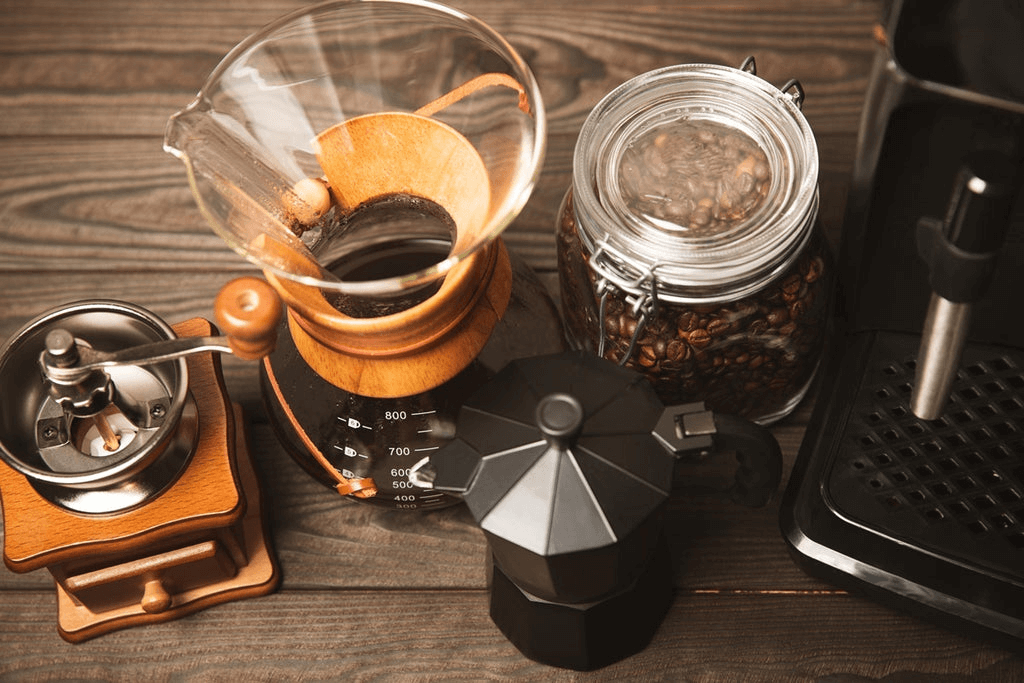
The flavor of percolator coffee depends on grind size, clean equipment, and careful timing. Taste also varies compared to drip coffee makers and French press, so understanding these differences helps a person decide which brewing method best suits their preferences.
Choosing the Right Coffee Grind and Filter
A coarse grind works best in a coffee percolator. Fine grounds slip through the basket and leave sediment in the cup, while medium grounds can over-extract and create bitterness. Coarse grounds allow water to pass evenly, giving a balanced flavor without clogging the filter.
Many electric percolators use a metal filter basket. However, some people insert a paper filter disc to trap oils and small particles. This produces a cleaner cup, closer to drip coffee, while the metal basket alone creates a stronger and oilier brew.
Grind consistency also matters. A burr grinder produces uniform particles, which helps prevent uneven extraction. Blade grinders create mixed sizes, which can cause both weak and bitter notes in the same pot. For the best results, freshly ground beans should be used instead of pre-ground coffee.
Cleaning and Maintenance for Optimal Flavor
A coffee percolator must be cleaned after every use. Old oils cling to the metal surfaces and affect the taste of new batches. Rinsing with warm water removes most residue, but using mild soap on the basket and stem keeps buildup from forming.
Mineral deposits from water can collect inside the percolator over time. To prevent this, many people run a cycle with a mixture of vinegar and water once a month. Afterward, two plain water cycles remove any vinegar taste.
Regular cleaning not only protects flavor but also extends the life of the device. A well-maintained percolator produces consistent results, while a neglected one may brew coffee that tastes stale or metallic.
Comparing Percolator Coffee to Drip and French Press
A percolator produces a stronger cup than a drip coffee maker because water cycles through the grounds multiple times. Drip coffee runs water through once, which creates a smoother and lighter flavor. Many people describe drip coffee as more predictable, while percolator coffee has more variation depending on timing.
French press coffee differs again. Grounds steep directly in hot water, and a metal plunger filter allows oils and some sediment to remain in the cup. This creates a heavy body and bold taste that some prefer over the cleaner profile of drip or the sharper edge of percolator coffee.
Compared to cold brew, which steeps grounds in cold water for many hours, percolator coffee feels more traditional and immediate. Each method delivers a distinct experience, and the choice depends on how much strength, clarity, or body a person wants in their cup.
Conclusion
An electric coffee percolator gives people a simple way to brew strong, flavorful coffee with consistent results. By choosing the right grind size, measuring the coffee-to-water ratio carefully, and adjusting brew time, they can control taste with ease.
Fresh beans, clean equipment, and proper storage all play an important role in the final cup. Small adjustments in these areas often make noticeable differences.
With steady practice, anyone can achieve a balanced brew that matches personal preference. This makes the electric percolator a practical choice for those who value both flavor and convenience.


- How to Maximize Home Office Space in a Studio or One-Bedroom ApartmentAs more people continue working from home, renters are rethinking how they use every square foot of their apartments. A productive home office doesn’t require a dedicated room. With intentional design, even a studio apartment or one-bedroom layout can support focused work while still feeling... The post How to Maximize Home Office Space in a […]