
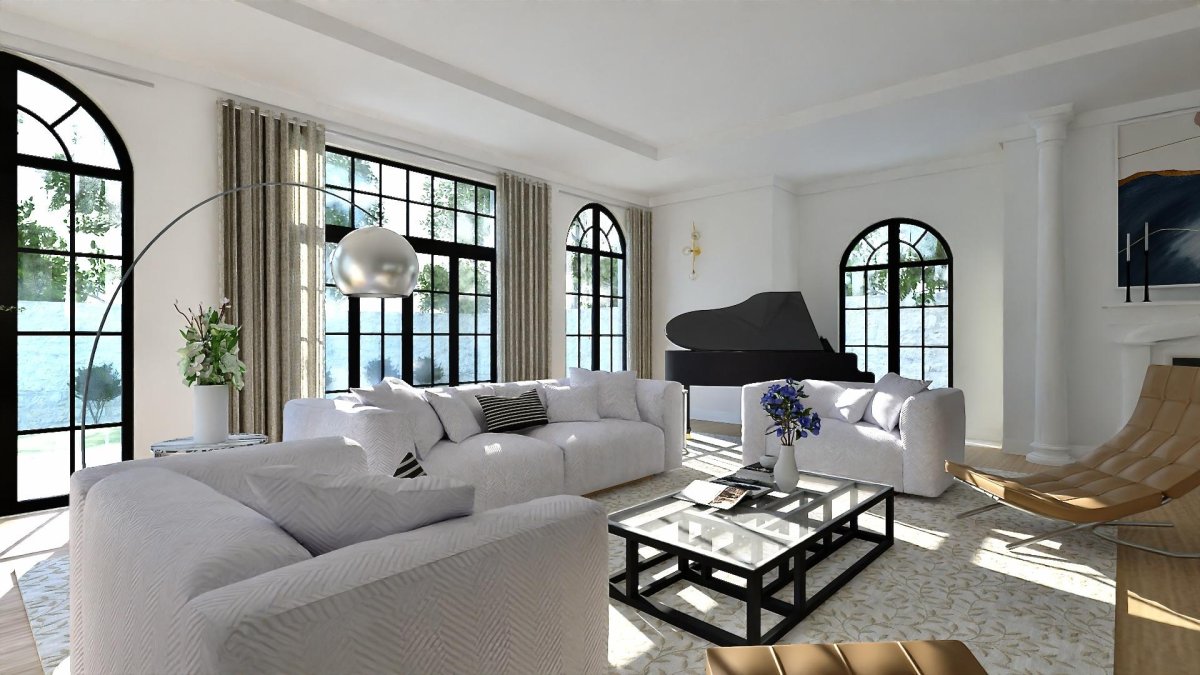

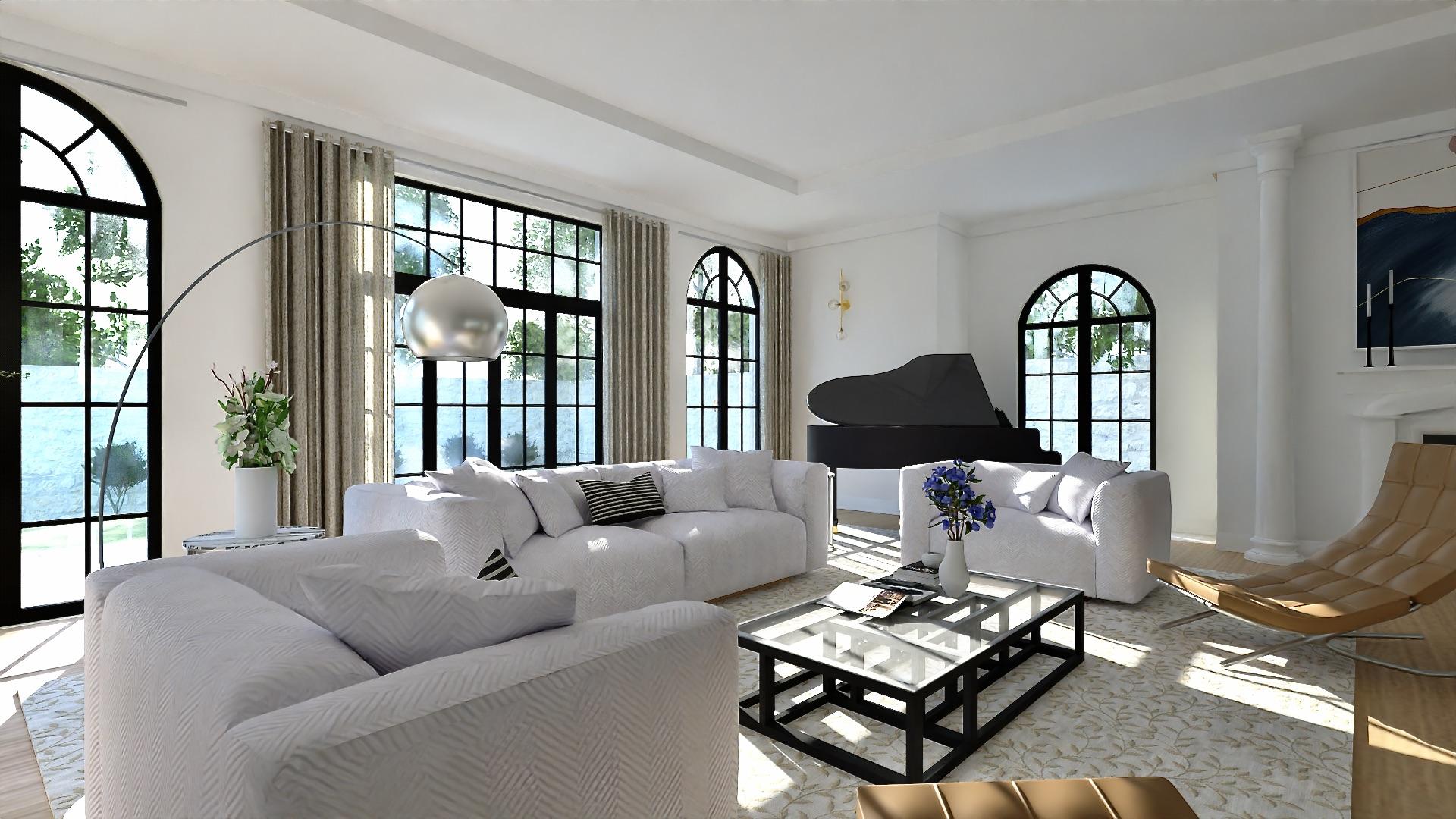
The atmosphere of your home plays a huge role in your well-being. Certain design choices—like soft lines, natural textures, and calming colors—are proven to boost comfort and happiness. But the opposite is also true: a poorly thought-out interior can increase anxiety, stress, and even worsen depression. Let’s look at common mistakes you’ll want to avoid.
Wrong Colors
Color palettes are more powerful than most realize. Certain tones, like bright yellow or burnt umber, can feel overwhelming, while an overuse of gray or black without lighter accents may dampen your mood over time. On the other hand, some colors are believed to have a positive impact on your mood.
The color pink helps relieve stress and anxiety, and can help you sleep better, according to color therapy. Green also calms an irritated nervous system and helps to keep negative thoughts away. It’s a multipurpose color that works for every room in the house. The only trick here is not to use the shades of green that are too vivid.
Using home design apps such as Live Home 3D helps you preview how colors interact with furniture, lighting, and even different times of day—avoiding unpleasant surprises later.
Bad Lighting
Lighting often gets overlooked in home design, yet it has a massive impact on mood. Too little light makes a room feel gloomy and cramped, while excessive artificial lighting or harsh color choices can cause discomfort, eye strain, and headaches. Balancing natural and artificial light sources will make a room feel brighter, larger, and far more welcoming.
Sharp Edges
Our brains instinctively link sharp edges with danger. Filling a space with rigid, angular furniture can subconsciously trigger stress and tension. Opting for pieces with curves or rounded corners instead adds softness, balance, and a sense of safety to your design.
Cluttered Spaces
A cluttered home often leads to a cluttered mind. Accumulating items without proper organization can easily overwhelm your environment and mental state. While minimalism isn’t for everyone, regularly curating what you keep versus discard will create a lighter, more enjoyable atmosphere.
Choice of Materials
A common error in home decoration is allowing budget to be the sole determinant. Going for the cheapest option might feel practical, but surrounding yourself with synthetic, plastic, or unpleasant textures rarely creates a cozy space. Furthermore, look for the material that is not only aesthetically appealing to the eye, but soft and nice to the touch.
Since both touch and visual appeal affect emotions, investing in natural or more pleasant textures will improve your mood and long-term comfort.
Furniture Layout Errors
Small furniture packed into tight spaces or pieces pushed up against the walls can make a room feel crowded and maze-like. Instead, arrange furnishings to allow comfortable walking space and breathing room. Counter to popular belief, floating furniture layouts often make spaces appear larger and more harmonious.
Dull and Repetitive Interiors
Leaning too heavily on one style, color, or pattern risks making a room look lifeless and uninspiring. Add some variation, whether through artwork, layered textures, or indoor plants. Incorporate artwork featuring natural landscapes or live plants into your decor for transforming your space.
These natural elements not only add visual variety but also contribute to a more relaxed and less anxious atmosphere by bringing the outdoors inside. It adds visual interest and connects you to nature, helping to reduce stress and improve relaxation.
Wrapping It Up
Thoughtful design isn’t just about looks—it shapes how you feel every day. Every detail in your home design matters when it comes to mental well-being. Whether you use home design apps like Live Home 3D to test layouts or trust your own intuition, keeping an eye out for these mistakes will help ensure your home supports happiness, relaxation, and comfort.


- Why Growing Workshops Need to Treat Abrasives as a Business Decision, Not a Consumables Line ItemA lot of Australian workshops still buy abrasives the same way they buy tea bags, gloves or bin liners. Someone spots a deal, a carton lands, the team uses it until it runs out, then the cycle repeats. That works for a while. It usually... The post Why Growing Workshops Need to Treat Abrasives as […]