

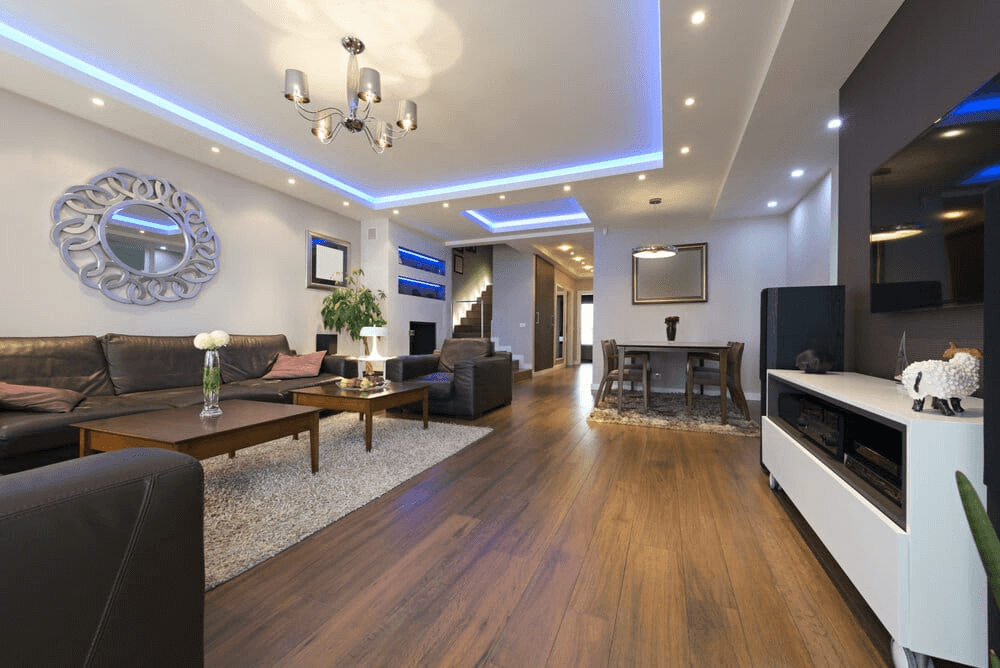
Lighting is one of the most powerful yet often overlooked elements of home design. Beyond its practical role, it shapes atmosphere, highlights features, and affects how comfortable and inviting a room feels. With the right approach, lighting can completely transform living spaces, turning ordinary rooms into vibrant, functional, and stylish areas.
Why Lighting Design Matters in the Home
Most homeowners focus on furniture, colour schemes, and layouts when redecorating, but lighting is the thread that ties everything together. Poorly placed or outdated fixtures can make even the most stylish interiors look flat and lifeless. On the other hand, a thoughtful lighting plan can:
- Create warmth and comfort in living areas.
- Highlight architectural features or décor.
- Adapt a space for different activities and moods.
It’s not just about brightness — it’s about using light as a design tool to elevate the entire home.
Layering Light for Balance and Functionality
One of the key principles of interior lighting is layering. Relying on a single overhead light often leads to harsh shadows or an uneven atmosphere. Instead, effective lighting design uses a mix of:
- Ambient lighting – the main source of illumination, often through ceiling fixtures.
- Task lighting – focused light for activities like reading, cooking, or working.
- Accent lighting – subtle features that highlight artwork, alcoves, or architectural details.
Balancing these layers ensures a space is versatile, practical, and inviting at any time of day.
Adapting Lighting to Each Room
Different rooms in the home demand different approaches to lighting. In kitchens, task lighting under cabinets ensures safety and precision when cooking. Living rooms benefit from a mix of floor lamps and wall lights that create cosy, flexible spaces. Bedrooms often call for softer tones and dimmable options to create a calming environment.
Outdoor spaces should not be forgotten either. Well-placed exterior lighting enhances kerb appeal, improves safety, and extends the use of gardens and patios into the evening.
The Impact of Modern Lighting Solutions
Advances in lighting technology mean homeowners now have more options than ever. LED fixtures offer both energy efficiency and design flexibility, with a wide range of colours and brightness levels available. Smart lighting systems allow complete control from a smartphone, making it easier to adjust lighting to suit the time of day or mood.
As these solutions become more accessible, they are transforming how people approach lighting in their homes. Instead of being an afterthought, lighting is increasingly seen as a central part of interior design.
Working with Lighting Specialists
Designing a lighting scheme that is both practical and stylish often requires expertise. Trusted providers like Leora Lighting help homeowners choose fixtures, layouts, and technologies that complement their spaces while meeting practical needs. From statement pendants to subtle recessed lights, professional input ensures that every corner of the home is enhanced by thoughtful illumination.
Final Thoughts
Lighting design has the power to elevate ordinary spaces, making them more functional, comfortable, and visually appealing. By layering light, tailoring solutions to each room, and embracing modern technologies, homeowners can create environments that work for every aspect of daily life.
With the right approach, lighting stops being just a utility and becomes an integral part of design — one that transforms houses into homes.


- Why Aquamarine and Diamond Rings Feel So Naturally BalancedEngagement rings are often chosen at an emotional moment, but they are worn through years of everyday life. As a result, many people are drawn to stones that feel calm, expressive and quietly enduring rather than overtly dramatic. Colour has become an increasingly important part... The post Why Aquamarine and Diamond Rings Feel So Naturally […]