
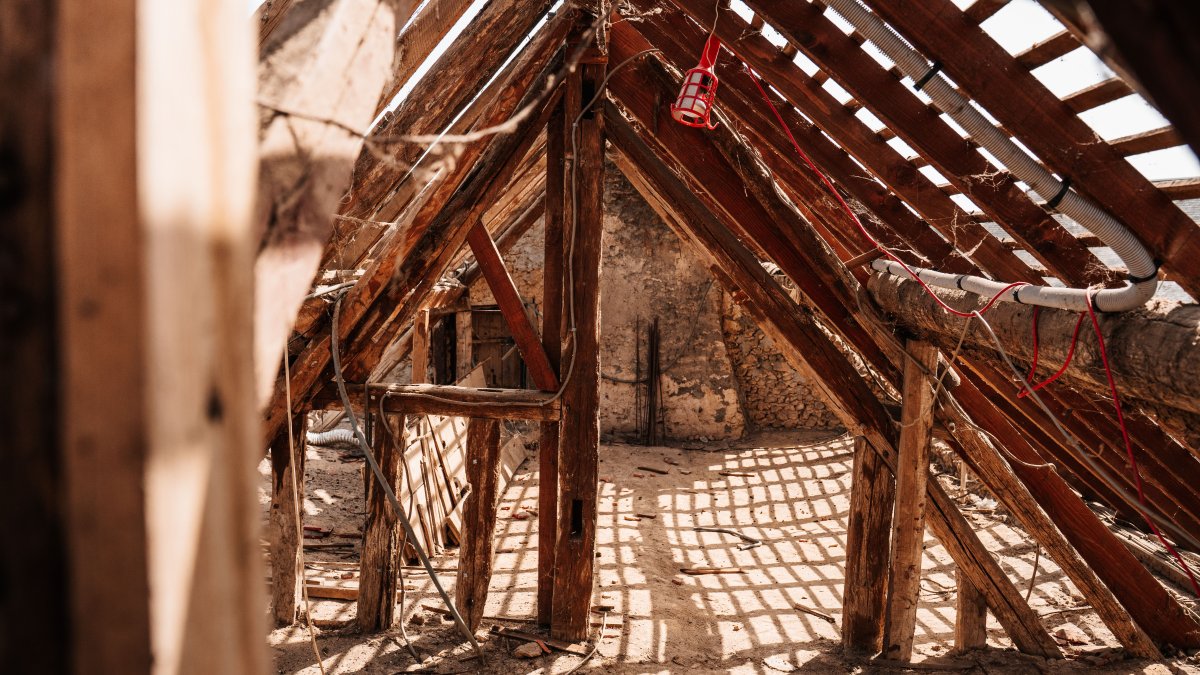

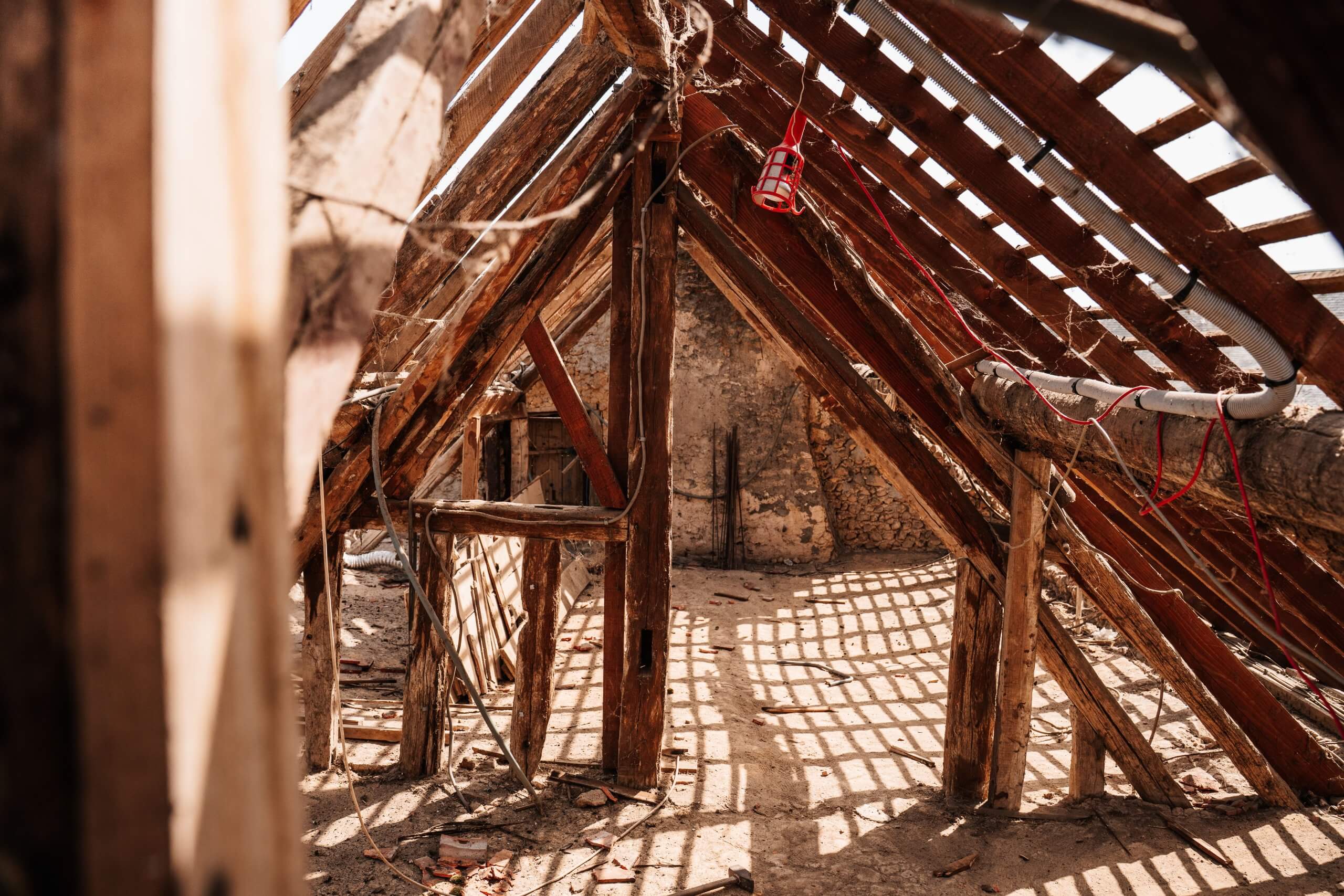
Aging attic insulation can change from useful protection into a source of household stress. Moisture, dust, pests, compression, and air leakage all reduce thermal resistance while raising concerns about odor and contamination.
Some homes only need added coverage, but others require full extraction before any upgrade. Removal exposes hidden defects, ventilation faults, and ceiling gaps that must be corrected before fresh material can support comfort, efficiency, and cleaner indoor air.
Why Full Removal Matters
Old attic material can mask roof stains, animal pathways, softened decking, and compacted zones that no longer slow heat transfer.
Homeowners comparing Dayton insulation extraction services usually do so after finding wet, contaminated, degraded, or unsafe insulation that should not be buried. A cleared attic lets contractors assess any underlying damage before installing new material.
Water Damage Changes Everything
Moisture changes insulation performance quickly. Damp fiberglass may slump, while cellulose can mat into dense layers that conduct heat.
Even after drying, trapped residue may continue to produce musty odors. If roof leaks, ice buildup, or bath fans send vapor upward, extraction helps reveal the cause, dry framing, and reduce future microbial growth.
Pest Activity Requires Extraction
Rodents and insects often leave more than surface damage. Urine, droppings, nesting debris, chewed fibers, and carcass residue can remain deep inside loose fill.
Covering that layer may hold odors beneath new insulation. Full extraction clears affected material, reveals entry gaps, and gives crews a clean surface for sealing.
Settling Reduces R-Value
Insulation depends on depth and trapped air to limit heat flow. Over many seasons, loose material can settle below the level needed for reliable performance.
Storage boxes, service work, and foot traffic can crush areas near access points. If coverage varies widely, removal may be wiser than adding another uneven layer.
Fire and Smoke Concerns
Smoke residue can settle into attic insulation after an electrical fault, chimney issue, or nearby fire. Soot particles cling to fibers and may carry odor through ceiling leaks.
Extraction gives restoration crews better access for cleaning, deodorizing, and checking wiring, framing, junction boxes, and recessed fixtures for heat damage.
Possible Hazardous Materials
Older homes sometimes contain vermiculite or other materials that need controlled handling. Disturbing unknown insulation without testing can send fine dust into occupied rooms.
A qualified contractor can identify visual warning signs, recommend sampling, and plan proper containment. That caution protects workers, residents, and mechanical systems during removal.
Poor Air Sealing Signals Trouble
Drafts, cold bedrooms, hot upper floors, and dirty insulation often point to ceiling air leaks. Dark staining around wiring holes, plumbing chases, and fan housings can indicate years of air movement.
Extraction exposes these openings, allowing crews to seal them before replacement material covers the attic floor again.
Ventilation Must Be Checked
Attic ventilation controls heat buildup and moisture accumulation. Blocked soffits, missing baffles, or buried vents can create condensation beneath roof decking.
During extraction, crews can inspect airflow paths and remove obstructions. New insulation then works with the roof assembly instead of trapping damp air near the wood framing.
Odor Is a Warning
Persistent musty, animal, or smoke odors deserve attention. Porous insulation can hold odor compounds long after visible debris is gone.
Surface cleaning rarely reaches attic sources. If smells worsen during humid weather or heating cycles, extraction may be necessary. Removing contaminated layers can reduce the spread of odors into bedrooms and hallways.
Energy Bills Can Tell a Story
Higher utility costs do not prove attic failure, but they offer a useful clue. Uneven room temperatures, long heating cycles, and summer heat gain suggest uncontrolled energy loss.
An inspection can show whether added coverage will help or whether damaged material should be removed before replacement begins.
What Professionals Usually Do
A careful extraction begins with inspection and containment. Crews protect access paths, use vacuum equipment, bag debris, and limit dust movement inside the home.
Once removal is complete, the attic should be checked for leaks, pests, wiring concerns, and air gaps. This process reduces hidden problems before new installation.
Why Replacement Planning Comes Next
A cleared attic allows better decisions about replacement depth and material. Blown fiberglass, cellulose, and foam options serve different moisture, access, and budget needs. Pest history, ventilation, code requirements, and air sealing goals also matter. Clean conditions give contractors a more accurate foundation for estimating performance.
Conclusion
Full attic insulation extraction is not necessary for every older home, but it becomes important when damage, contamination, or performance failure is present. Wet areas, pest evidence, smoke residue, odor, settling, and hidden air leaks can all justify removal before replacement.
A clean attic lets contractors correct the underlying issues, improve sealing, and install new material with fewer compromises, helping the home feel steadier, cleaner, and more efficient through seasonal changes.
When Aging Attic Insulation Needs Full Extraction and Removal


- When Aging Attic Insulation Needs Full Extraction and RemovalAging attic insulation can change from useful protection into a source of household stress. Moisture, dust, pests, compression, and air leakage all reduce thermal resistance while raising concerns about odor and contamination. Some homes only need added coverage, but others require full extraction before any... The post When Aging Attic Insulation Needs Full Extraction and […]