
Understanding the Purpose of Metal Laser Cutting Machines
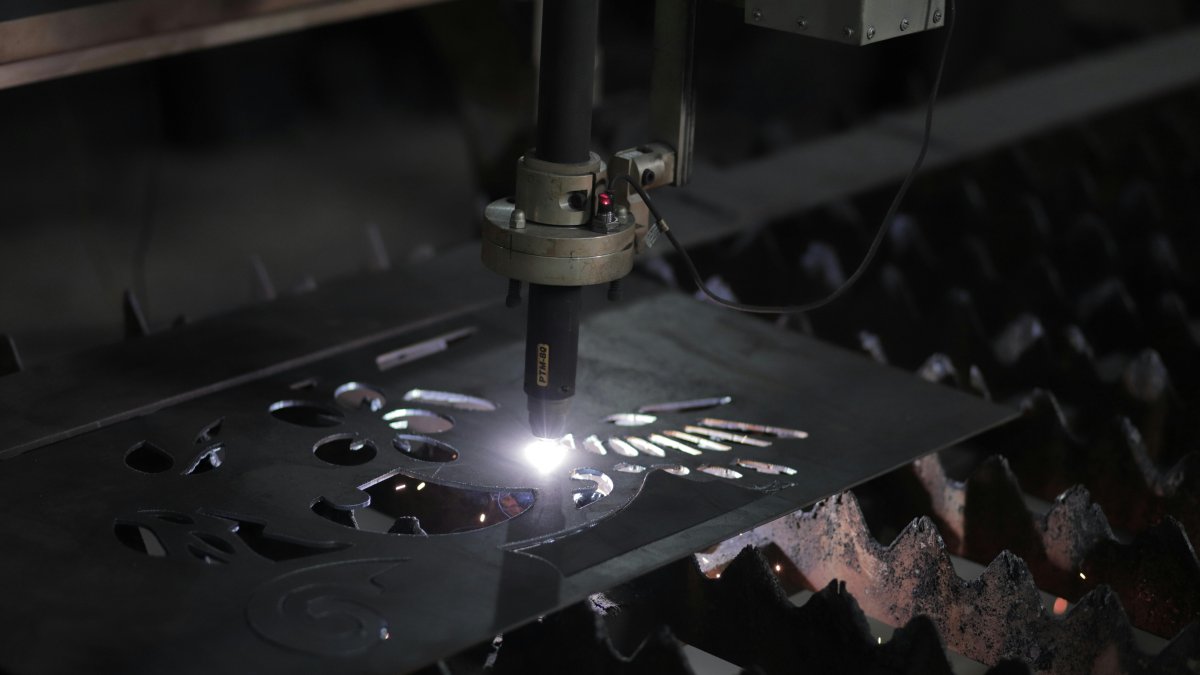
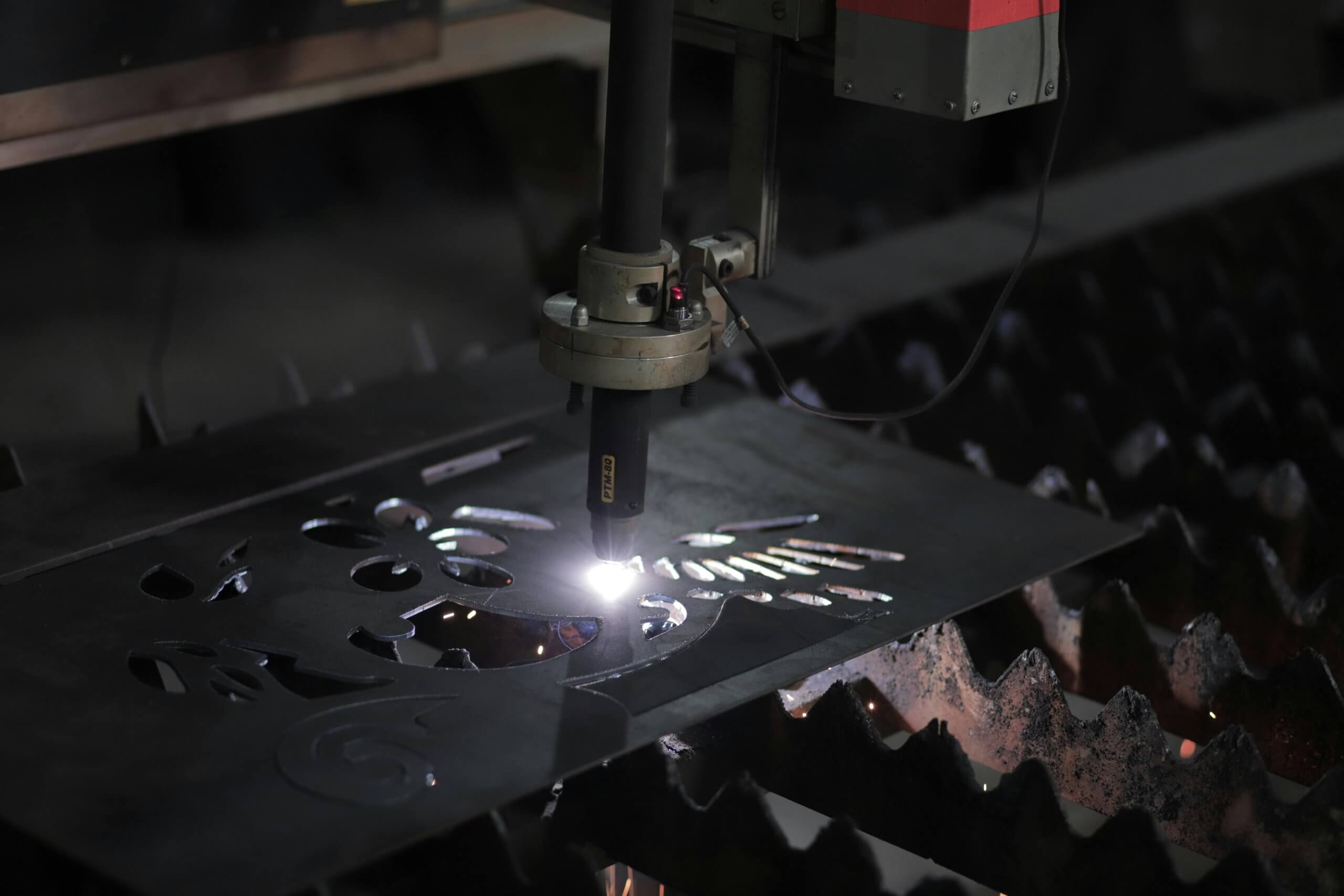
Metal laser cutting machines are precision tools that use a focused laser beam to cut, engrave, or shape metal sheets and components. The laser generates intense heat at a controlled point, allowing clean cuts with minimal material distortion. Computer-controlled systems guide the laser path, ensuring accuracy and repeatability across production runs.
These machines are widely used in industries such as manufacturing, automotive, construction, electronics, and metal fabrication. Applications range from cutting structural components and enclosures to producing detailed parts for machinery and custom projects. Their ability to handle complex geometries makes them suitable for both high-volume production and specialized work.
Many businesses consider upgrading from traditional cutting methods like plasma, waterjet, or mechanical cutting due to improved precision, faster processing times, and reduced material waste. Laser cutting often eliminates the need for secondary finishing, which can streamline workflows and lower overall production effort.
Investment decisions in this area directly affect long-term production capability. Choosing the right system influences throughput, flexibility, and the types of contracts a business can take on. For this reason, understanding the role of metal laser cutting machines within the broader production strategy is a critical first step.
Types of Laser Cutting Technologies Available
Several laser cutting technologies are available, each with different operating characteristics. Fiber lasers are commonly used for metal cutting due to their efficiency, speed, and lower maintenance requirements. CO₂ lasers, while older, are still used in certain applications and can be effective for thicker materials or mixed-material processing. Other systems, such as disk lasers, occupy more specialized niches.
Material thickness and type play a major role in determining suitability. Fiber lasers generally perform well on thin to medium-thickness metals, especially reflective materials like aluminum and copper. CO₂ lasers may offer advantages in specific thickness ranges or when cutting non-metal materials alongside metals.
Energy efficiency varies significantly between technologies. Fiber lasers typically consume less power and convert energy more efficiently into cutting performance. This has a direct impact on operating costs over time. Technology choice also affects maintenance, with fiber systems often requiring fewer consumables and less frequent servicing.
Material Compatibility and Cutting Requirements
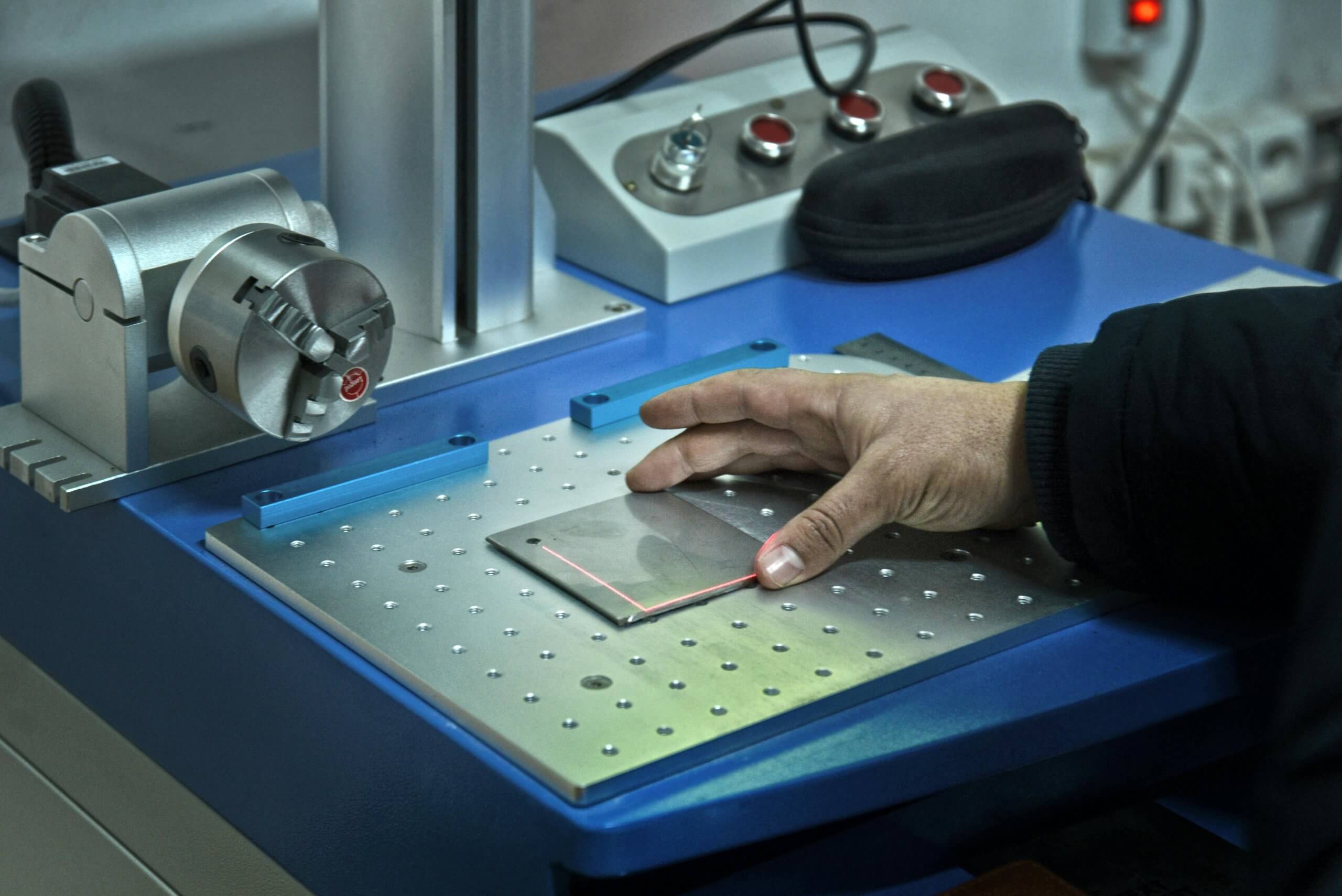
Commonly processed metals include stainless steel, mild steel, aluminum, brass, and copper. Each material responds differently to laser cutting, influencing edge quality, speed, and power requirements. Understanding the range of materials used in current operations is essential when evaluating machine specifications.
Thickness range and cutting precision are equally important. Machines designed for thin-sheet work may struggle with thicker plate, while high-power systems may be unnecessary for lighter fabrication. Precision requirements also vary, particularly for components that must fit tightly or meet strict tolerances.
Material type directly affects laser power needs. Reflective metals often require higher power or specific laser sources to maintain consistent cuts. Selecting a machine that aligns with both current and anticipated materials helps avoid limitations as production demands evolve.
Production Volume, Speed, and Accuracy Considerations
Cutting speed has a direct relationship with output targets. Higher speeds allow more parts to be produced in less time, but speed must be balanced against cut quality. Excessive speed can lead to rough edges or incomplete cuts, which undermine efficiency.
Tolerance levels and repeatability are critical for consistent production. Laser cutting machines are valued for their ability to maintain tight tolerances across large batches. This consistency reduces rework and supports reliable downstream assembly.
Automation features such as automatic loading, unloading, and nesting software can significantly influence productivity. These capabilities reduce manual handling and improve machine utilization. However, increased automation also adds complexity, making it important to assess whether the added capacity aligns with actual production needs.
Operating Costs and Long-Term Ownership Factors
Power consumption is a major ongoing expense. More efficient systems reduce electricity costs and generate less heat, which can also lower cooling requirements. Over time, these savings can outweigh differences in purchase price.
Maintenance requirements vary by machine type and usage intensity. Consumables such as lenses, nozzles, and filters need regular replacement. Access to parts and technical support also affects downtime and overall reliability.
Operator skill levels and training should not be overlooked. Advanced systems may require more technical knowledge, while simpler interfaces can reduce training time. Evaluating total cost of ownership, rather than focusing solely on upfront price, provides a clearer picture of long-term value.
Space, Safety, and Integration into Existing Workflows
Floor space requirements depend on machine size, automation features, and material handling systems. Proper layout planning ensures efficient movement of materials and safe access for operators and maintenance.
Ventilation and fume extraction are essential for safe operation. Compliance with safety standards protects workers and prevents production interruptions. These requirements may involve additional infrastructure investment.
Integration with existing equipment and software is another key factor. Compatibility with CAD/CAM systems, production scheduling tools, and material handling processes improves workflow efficiency. A well-integrated machine supports smoother operations and reduces bottlenecks.
Making a Practical and Informed Investment Decision
A successful investment starts with aligning machine capabilities to business goals. Technical specifications should support actual production requirements rather than theoretical maximums. Evaluating operating realities alongside performance data leads to more reliable outcomes.
Scalability is also important. A machine that accommodates future expansion can extend its useful life and support growth without requiring early replacement. Taking a measured, informed approach helps ensure long-term value, consistent performance, and a return that supports sustainable production.


- How to Maximize Home Office Space in a Studio or One-Bedroom ApartmentAs more people continue working from home, renters are rethinking how they use every square foot of their apartments. A productive home office doesn’t require a dedicated room. With intentional design, even a studio apartment or one-bedroom layout can support focused work while still feeling... The post How to Maximize Home Office Space in a […]