
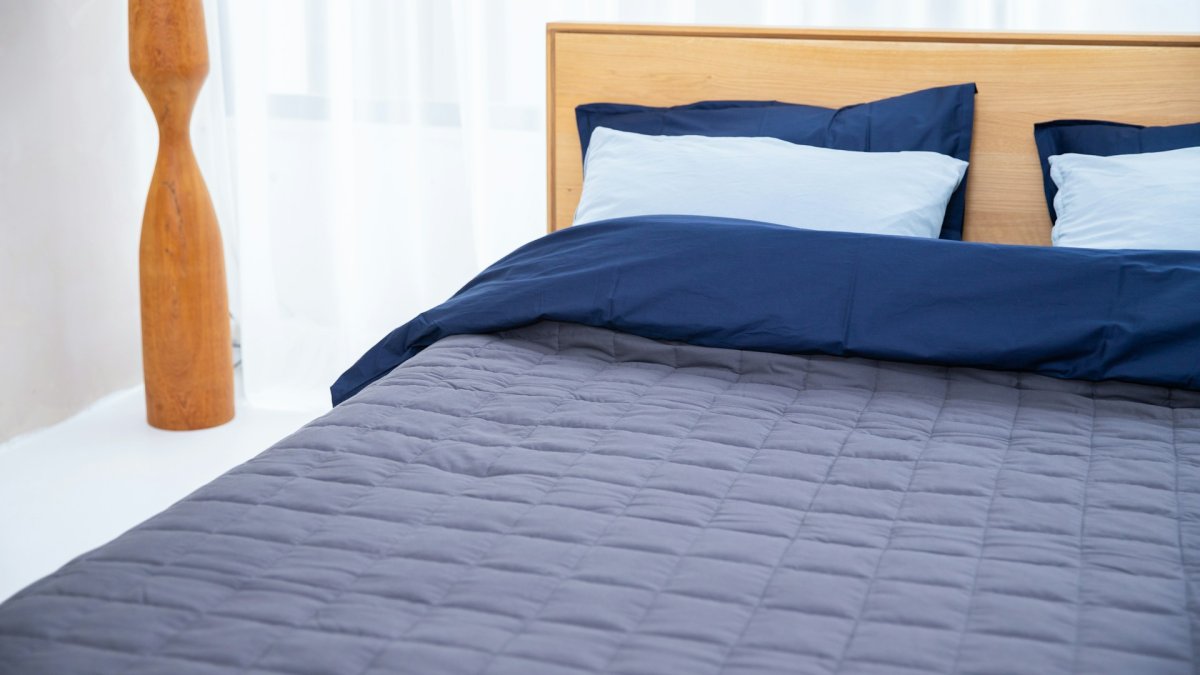

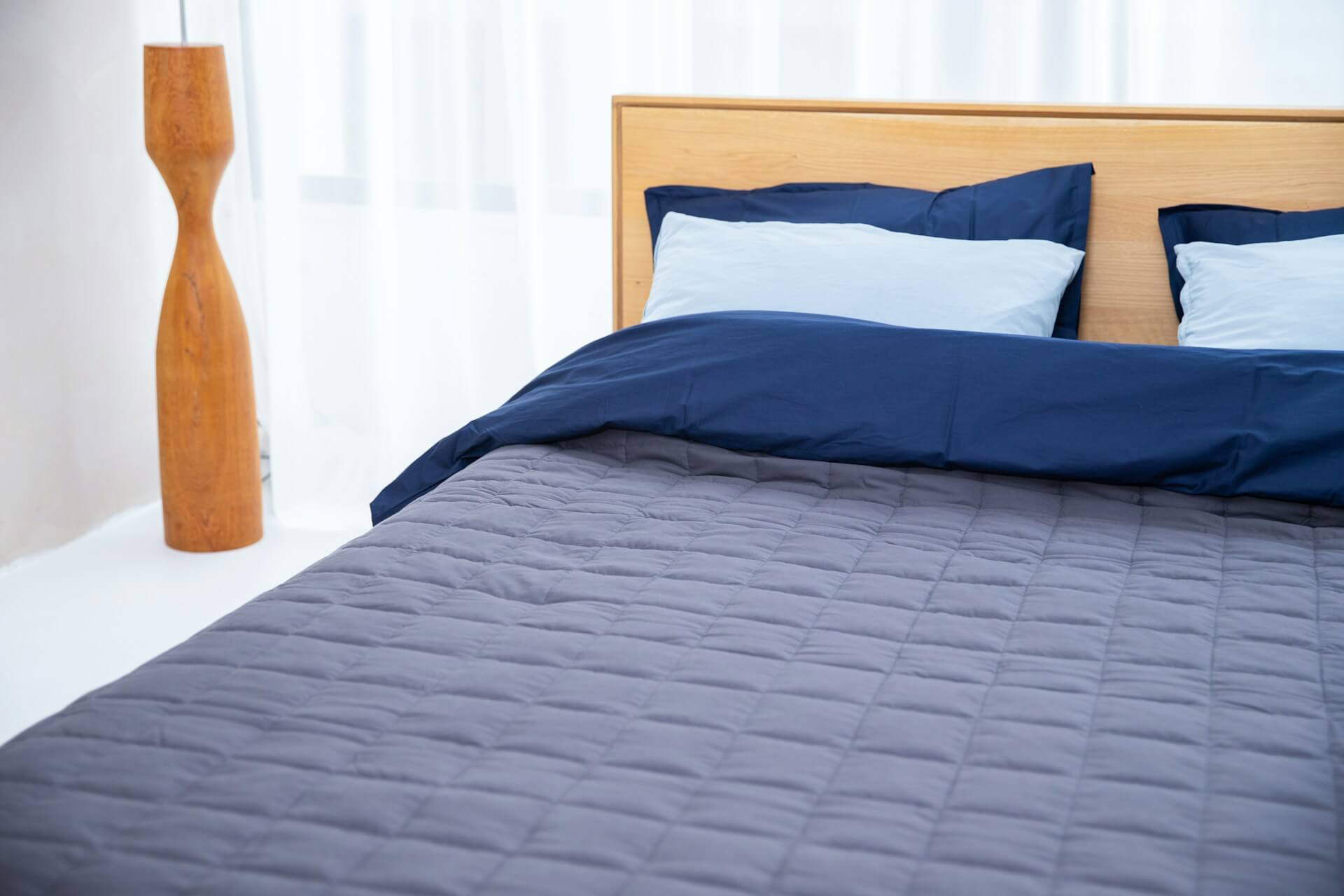
The thermostat reads 68°F—the “perfect” sleep temperature according to every expert guide you’ve ever read. Yet you’re tossing off your synthetic comforter at 2 AM, overheated and frustrated. Here’s what sleep scientists have recently discovered: the temperature inside your bed matters far more than the air around it.
A 2023 study published in the Journal of Thermal Biology found something remarkable. Participants maintained optimal sleep quality across room temperatures varying by 18 degrees—from a chilly 46°F to a moderate 64°F—as long as their bedding maintained the bed surface between 86°F and 91°F. The secret wasn’t the room. It was what they slept under.
This explains why two people in the same bedroom can have completely different sleep experiences. It’s not about setting the thermostat correctly—it’s about choosing bedding that creates your personal thermal microclimate.
The Microclimate Your Body Actually Needs
“Bedding systems influence bed climate and sleep thermal comfort, thereby determining the ambient temperature of sleep more effectively than room temperature alone.” — Science of the Total Environment
Your body doesn’t experience room temperature while you sleep. It experiences the tiny climate zone created between your skin and your comforter—typically spanning just a few inches but making all the difference between restorative sleep and restless nights.
This microclimate needs three things working in harmony:
Temperature stability — Your core body temperature naturally drops 1-2°F to initiate sleep. Bedding that traps too much heat interferes with this biological cooling process, fragmenting sleep cycles.
Moisture management — The average sleeper releases up to 200ml of moisture per night through perspiration. When this moisture gets trapped against your skin, it creates discomfort and temperature fluctuations that trigger micro-awakenings you won’t even remember.
Breathability — Air circulation within the bedding layers prevents heat buildup and allows your body’s natural temperature regulation systems to function properly.
The materials touching your skin directly influence all three factors. Synthetic fibers create barriers to moisture evaporation. Tightly woven fabrics restrict airflow. Heavy but non-breathable fills trap heat without providing temperature flexibility.
Why Natural Fibers Create Better Sleep Microclimates
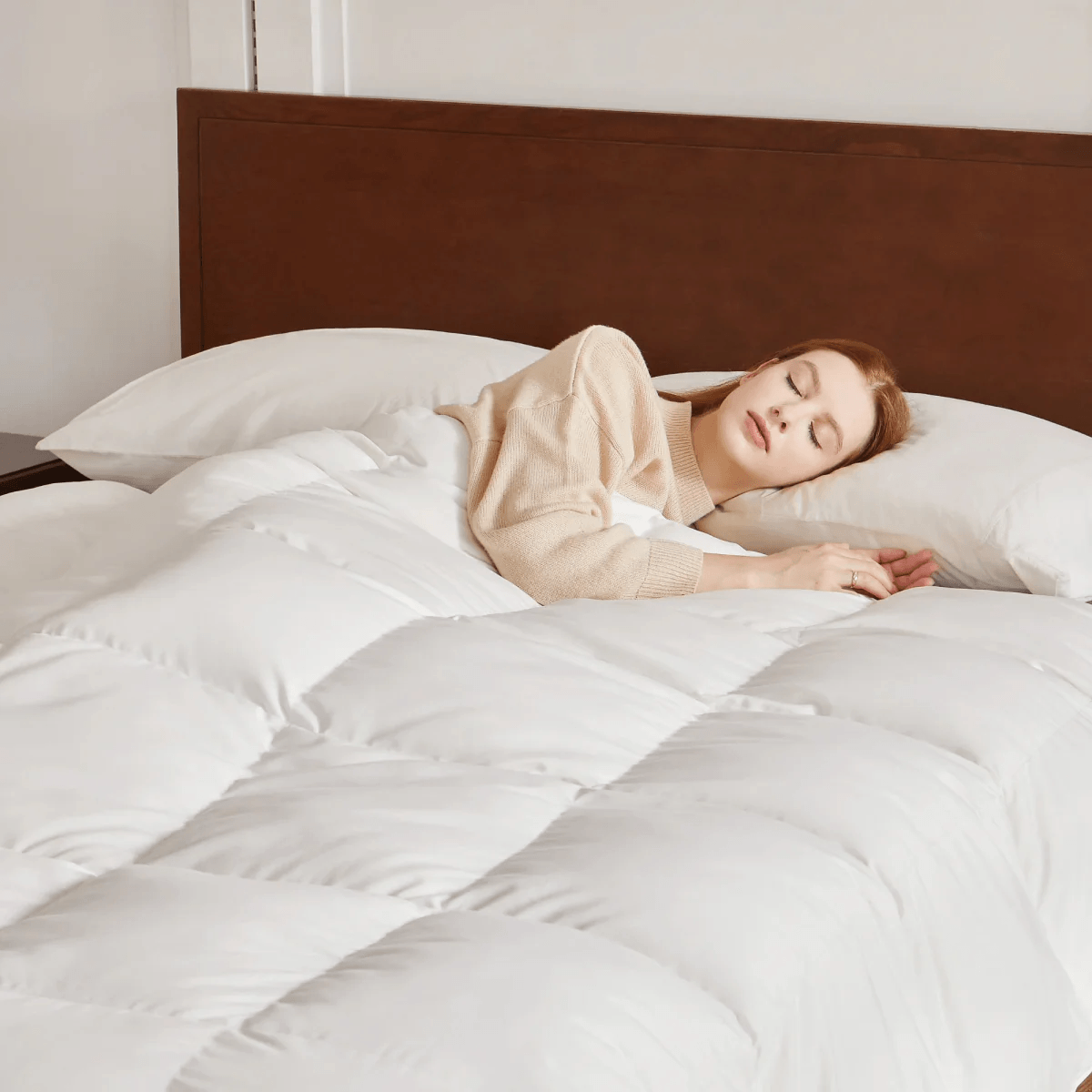
Research on sleepwear and bedding fiber types reveals a clear pattern: natural materials consistently outperform synthetics in supporting sleep quality by better managing skin and body temperature.
Warmy & Tummy uses organic cotton casings paired with goose down fill specifically because this combination addresses all three microclimate needs simultaneously. The organic cotton shell absorbs up to 25% of its weight in moisture without feeling damp, wicking perspiration away from your skin throughout the night.
The down clusters create thousands of tiny air pockets that provide insulation while maintaining breathability. Unlike synthetic fills that compress into solid barriers, down’s three-dimensional structure allows air circulation while adapting to your body’s changing temperature needs across sleep cycles.
This matters more than you might think. When bedroom temperatures dropped to 46°F in the study mentioned earlier, participants using heavier natural-fill comforters maintained the same sleep quality as those in 64°F rooms—an 18-degree difference in external temperature that became irrelevant because their bedding created stable internal conditions.
The Down Advantage for Temperature Adaptability
Down has unique thermal properties that synthetic alternatives can’t replicate. The clusters expand and contract based on environmental conditions and body heat, providing more insulation when you’re cold and compressing for less insulation when you’re warm.
This self-adjusting capability means a quality down comforter works across seasons without needing to be swapped out. Warmy & Tummy’s organic cotton down comforter serves as both a winter warmer and a temperature-stable option for summer with air conditioning, adapting to your body’s needs rather than imposing a fixed insulation level.
The organic cotton casing enhances this adaptability. Conventional cotton can harbor chemical residues from pesticide use that affect breathability and moisture absorption. Organic cotton maintains its natural fiber structure, preserving the material’s inherent moisture-wicking and temperature-regulating properties.
What Temperature Actually Feels Like Under Different Comforters
Recent sleep environment research tracked how different bedding combinations affected participants’ actual bed surface temperature versus room temperature:
• Synthetic comforter + standard sheets: Required room temperature between 62°F-72°F (a narrow 10-degree range) to maintain comfortable bed surface temperature
• Natural down comforter + cotton sheets: Maintained comfortable bed surface across room temperatures from 46°F-64°F (an 18-degree range)
The difference? The synthetic combination created a rigid thermal environment that either trapped too much heat or provided too little insulation. The natural fiber combination created a flexible microclimate that adapted to external conditions.
This explains why you might wake up hot under a synthetic comforter even in a cool room—the material isn’t responding to your body’s thermal feedback. It’s just trapping heat regardless of whether you need that heat retained.
Creating Your Optimal Sleep Temperature
Here’s the practical approach based on current sleep science:
Stop obsessing over room temperature alone. The research from 50 older adults found optimal sleep occurred between 68°F-77°F, but individual needs varied significantly. Your bedroom’s thermostat setting matters far less than your bed’s microclimate.
Invest in bedding that creates stable microclimates. Natural materials—particularly organic cotton paired with down fill—provide the moisture management and breathability your body needs to regulate temperature naturally.
Consider seasonal layering instead of seasonal swapping. A well-designed comforter like Warmy & Tummy’s organic cotton down comforter adapts across seasons. Add a cotton sheet layer in summer; use it directly in winter. The down adjusts its insulating properties based on the total system.
Pay attention to your body’s signals. Waking up sweaty? Your bedding isn’t wicking moisture effectively. Waking up cold despite being fully covered? Your comforter isn’t creating adequate insulation. Waking up frequently to adjust covers? Your bedding isn’t adapting to your changing temperature needs across sleep cycles.
The goal isn’t finding the perfect room temperature. It’s creating a bed that maintains that narrow 86°F-91°F surface temperature range your body needs, regardless of external conditions.
Your sleep quality depends less on the thermostat on your wall and more on the microclimate you create between your skin and your comforter. Natural materials—especially organic cotton and down combinations—provide the breathability, moisture management, and thermal adaptability that synthetic alternatives can’t match.
The 3-degree rule isn’t about cooling your bedroom. It’s about choosing bedding that maintains your optimal sleep temperature naturally, night after night, across every season.


- Signs It’s Time for Air Conditioning Replacement in Swainsboro, GAWhen the summer heat hits, your air conditioning system should be your best ally, providing cool comfort. But what happens when it starts struggling to keep up with the demand? Air conditioning replacement in Swainsboro, GA can seem daunting, but recognizing the signs early can... The post Signs It’s Time for Air Conditioning Replacement in […]