

Your roof plays an important role in how your home manages heat and airflow. While it’s not the only factor affecting energy efficiency, it does influence how much heat enters or escapes your home throughout the year. Understanding how your roof functions can help you make more informed decisions, and roofing companies can provide guidance when needed.
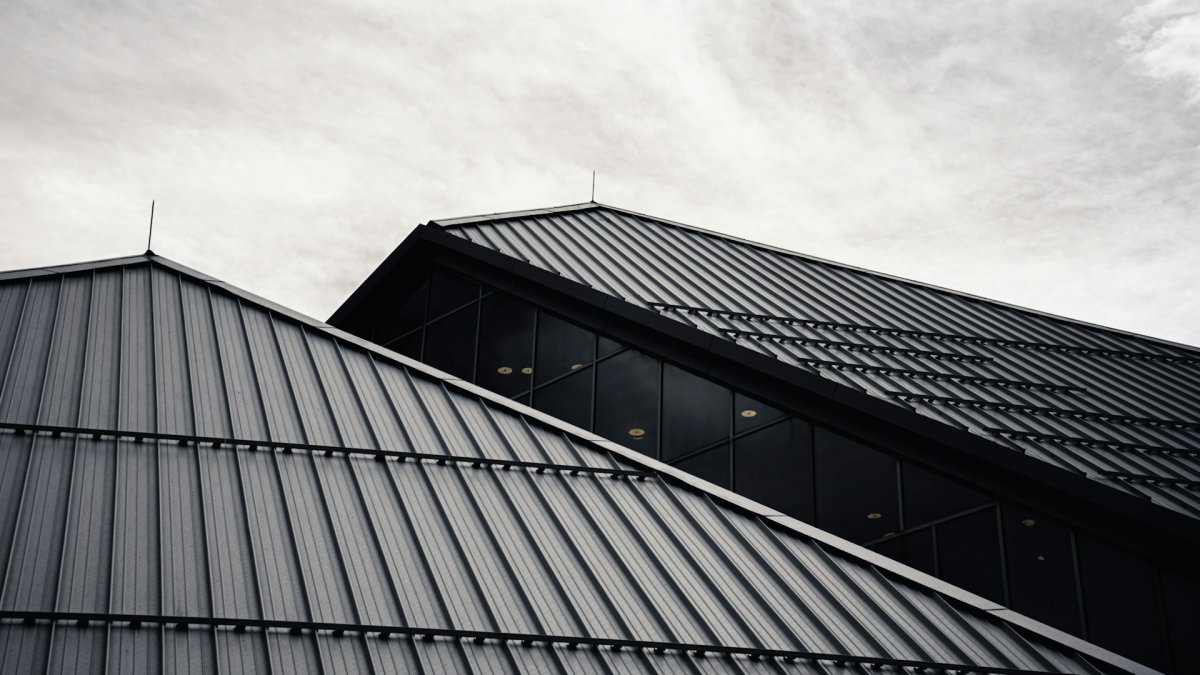
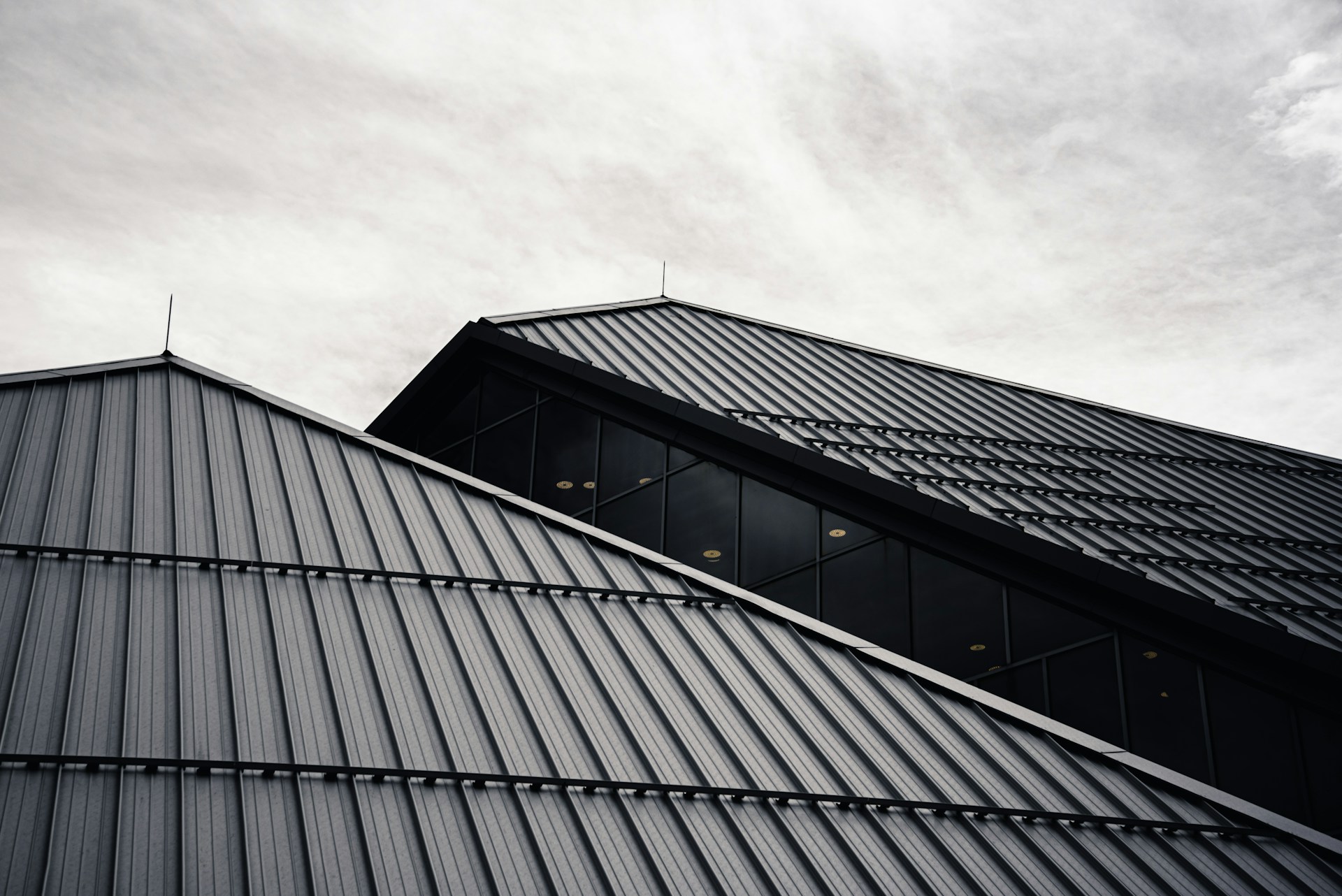
One of the most direct ways a roof affects energy efficiency is through exposure to sunlight. Roofing materials absorb or reflect different amounts of heat depending on their type and condition. For example, darker surfaces generally absorb more heat, while lighter or reflective materials tend to reflect more sunlight. This can influence how warm your attic space becomes during the day, especially in warmer months.
Ventilation is another key part of the system. A roof doesn’t work on its own—it works together with attic ventilation to allow air to move in and out. Without proper ventilation, heat can build up in the attic, which may make it harder to keep indoor spaces comfortable. In colder months, ventilation also helps manage moisture levels. Roofing companies often check ventilation as part of a general roof inspection.
Insulation also plays a role alongside your roof. While insulation is typically installed in the attic rather than on the roof itself, the two systems work together. Insulation helps slow down heat transfer, while the roof and ventilation system help manage external conditions. If insulation is missing or uneven, it can affect how efficiently your home maintains temperature.
The overall condition of your roof can also make a difference. Openings, worn materials, or damaged areas may allow outside air to enter or conditioned air to escape. These issues are not always visible from the ground, which is why periodic inspections can be helpful. Roofing companies can identify areas that may need attention without assuming a full replacement is necessary.
If you’re considering updates, some roofing materials are designed with reflectivity in mind, which may help reduce heat absorption. However, whether that makes a noticeable difference depends on your specific home and environment. Roofing companies can explain available options and help you decide what makes sense for your situation.
Regular maintenance is a practical way to support your roof’s performance. This may include checking for visible wear, keeping gutters clear, and scheduling occasional inspections. These steps don’t guarantee lower energy bills, but they can help ensure your roof is functioning as intended.
In the end, your roof contributes to your home’s overall efficiency by helping manage heat, airflow, and protection from the elements. By staying aware of its condition and asking questions when needed, you can make informed choices about maintenance or improvements. Roofing companies can be a resource in that process, offering straightforward insight based on your home’s current condition.


- How Energy-Efficient Electric Range Models Can Lower Your Utility BillsWith rising energy costs, homeowners are looking for smarter ways to reduce monthly utility expenses — and your kitchen appliances are a great place to start. One of the most used appliances in any home is the electric range. Choosing an energy-efficient electric range can make... The post How Energy-Efficient Electric Range Models Can Lower Your […]