
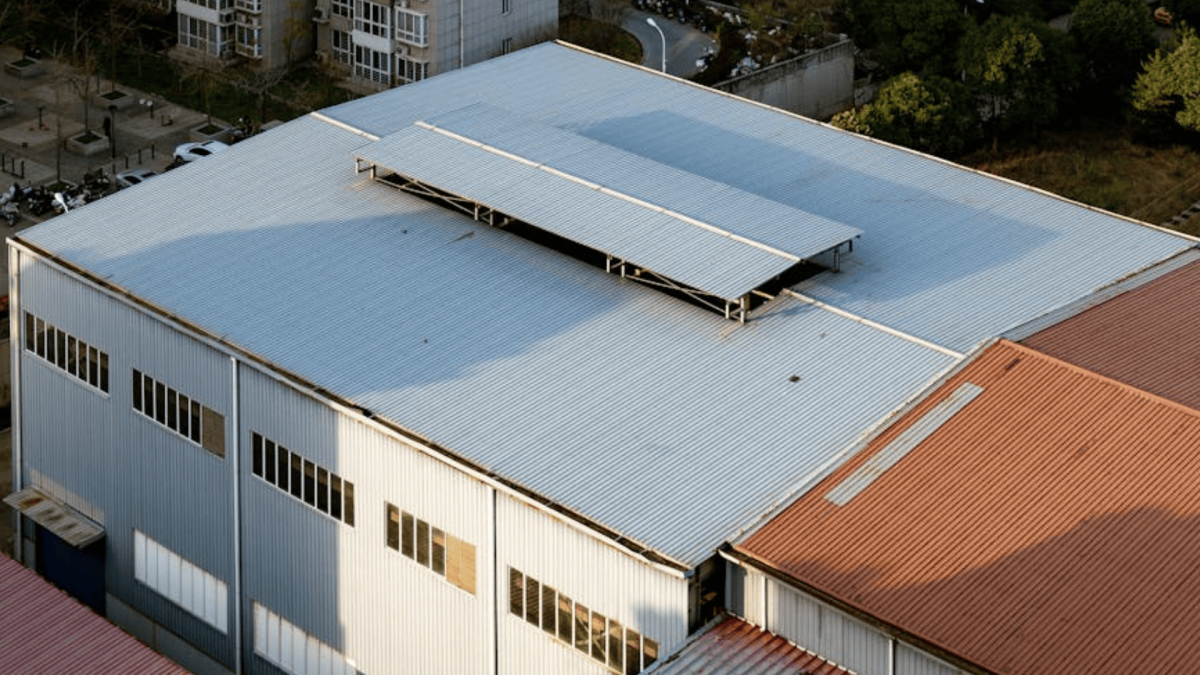

Replacing a commercial roof is a major capital decision that affects your building’s protection, operating costs, and long-term value. And unlike residential roofing, commercial systems must account for larger surface areas, heavier equipment loads, stricter codes, and far more variables that can impact performance.
If you’re preparing for a commercial roof replacement, the choices you make now will shape how well that roof performs for decades. Here are six key considerations to keep in mind before work begins.
The Condition and Purpose of Your Building
Before you even talk about materials or pricing, you need to take a step back and consider how your building is actually used. A warehouse, an office building, a retail space, and a manufacturing facility all place very different demands on a roof.
Ask yourself practical questions, like:
- Does your roof support HVAC units or heavy equipment?
- Is the building climate-controlled year-round?
- Does the interior house sensitive inventory or electronics?
- Are there frequent foot traffic or maintenance needs on the roof itself?
The answers to these questions actually matter. For example, a roof that works well for a low-traffic storage facility may not hold up under constant service access or heavy mechanical loads. Understanding your building’s function helps ensure the replacement system is compliant and appropriate.
Roofing Materials and System Options
Commercial roofing materials aren’t one-size-fits-all. Each system has strengths, limitations, and ideal use cases. Choosing the right material involves balancing factors such as durability, cost, energy efficiency, and intended use.
There are plenty of different types of commercial roofing systems. This includes built-up roofing, modified bitumen, metal roofing, EPDM, and thermoplastic systems like TPO. Each option performs differently in terms of lifespan and maintenance requirements.
When it comes to material selection, you need to work with a roofing company that understands these materials and has the experience to help you identify the best fit for your needs.
“Thermoplastic systems (TPO) can last for an average of 20 years and be able to withstand strong winds, fire and punctures,” Roofing Concepts Unlimited/Fl. Inc explains. “We recommend this type of roofing on large warehouse buildings, modern high-rise buildings and other high-end and office building applications.”
TPO is just one example, but it speaks to why having an expert on your side is so crucial. That recommendation highlights an important point – material choice should reflect both environmental conditions and building type.
Budget Beyond the Initial Price Tag
It’s tempting to focus on the upfront cost of a roof replacement, but that number alone doesn’t tell the full story. Commercial roofing is a long-term investment, and the cheapest option today may become the most expensive over time.
You’ll want to consider lifecycle costs. That includes maintenance needs, energy efficiency, repair frequency, and expected lifespan. A slightly higher upfront investment can often result in fewer repairs and a longer replacement cycle (not to mention lower energy bills).
Budgeting should also account for potential disruptions. Will the replacement affect operations? Do you need to schedule work around business hours? Planning for these factors prevents surprises that can drive up indirect costs.
Compliance, Codes, and Warranty Requirements
Commercial roofing projects must meet local building codes, fire ratings, and energy standards. Failing to comply can lead to costly delays, fines, or even forced rework.
You should also pay close attention to warranty details. Manufacturer warranties often require specific installation methods and documented inspections. Skipping steps or cutting corners can void coverage entirely.
Choosing the Right Roofing Partner
Even the best materials can fail if they’re installed poorly. The contractor you choose plays a major role in how your new roof performs over time.
Look for experience specifically with commercial projects. As you search for this, ask about similar buildings they’ve worked on, their approach to safety, and how they handle unexpected challenges. A strong contractor plans, communicates, and coordinates throughout the entire process.
Planning Ahead for the Right Timing
Many commercial roofs are replaced reactively – after leaks appear or damage becomes unavoidable. While emergencies happen, proactive replacement gives you far more control over cost, scheduling, and material selection.
Planning ahead allows you to evaluate options without pressure, secure better pricing, and minimize business disruption. Waiting too long can turn a manageable project into a rushed decision with fewer choices.
Is it Time to Replace Your Roof?
Replacing a commercial roof is a complex decision with long-term consequences. The right approach considers all of the factors we’ve discussed above.
When you take the time to evaluate these six considerations carefully, you move beyond simply replacing a roof. You’re improving protection, efficiency, and reliability for many years to come.


- How to Maximize Home Office Space in a Studio or One-Bedroom ApartmentAs more people continue working from home, renters are rethinking how they use every square foot of their apartments. A productive home office doesn’t require a dedicated room. With intentional design, even a studio apartment or one-bedroom layout can support focused work while still feeling... The post How to Maximize Home Office Space in a […]