
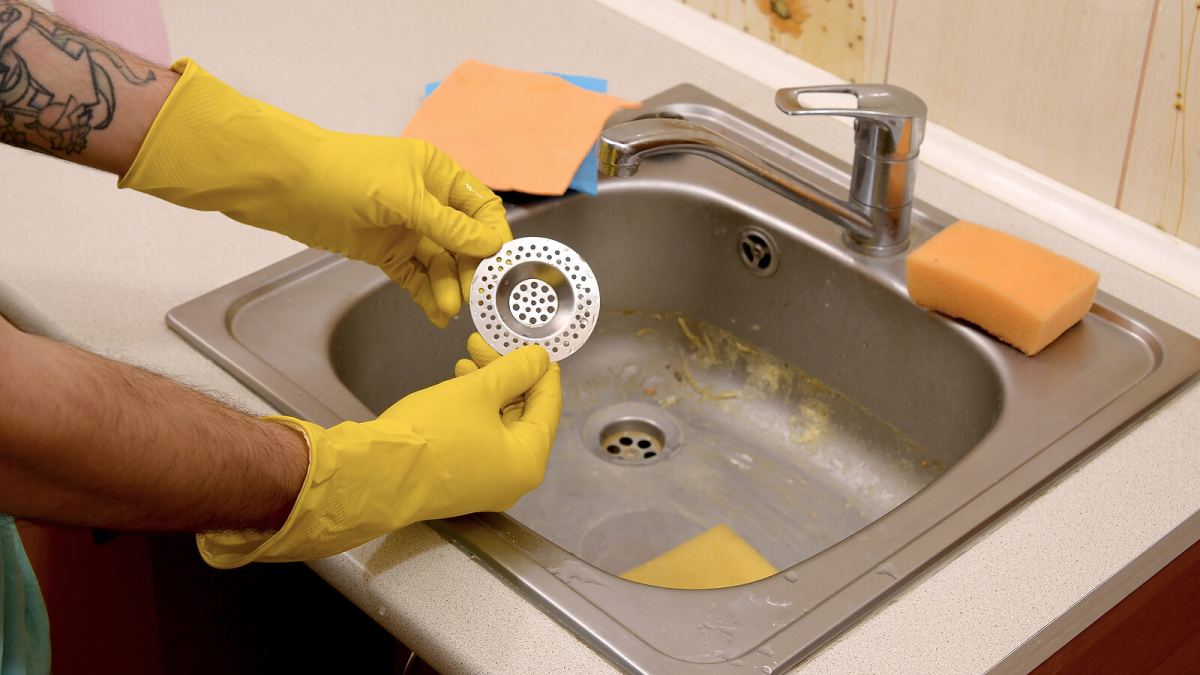

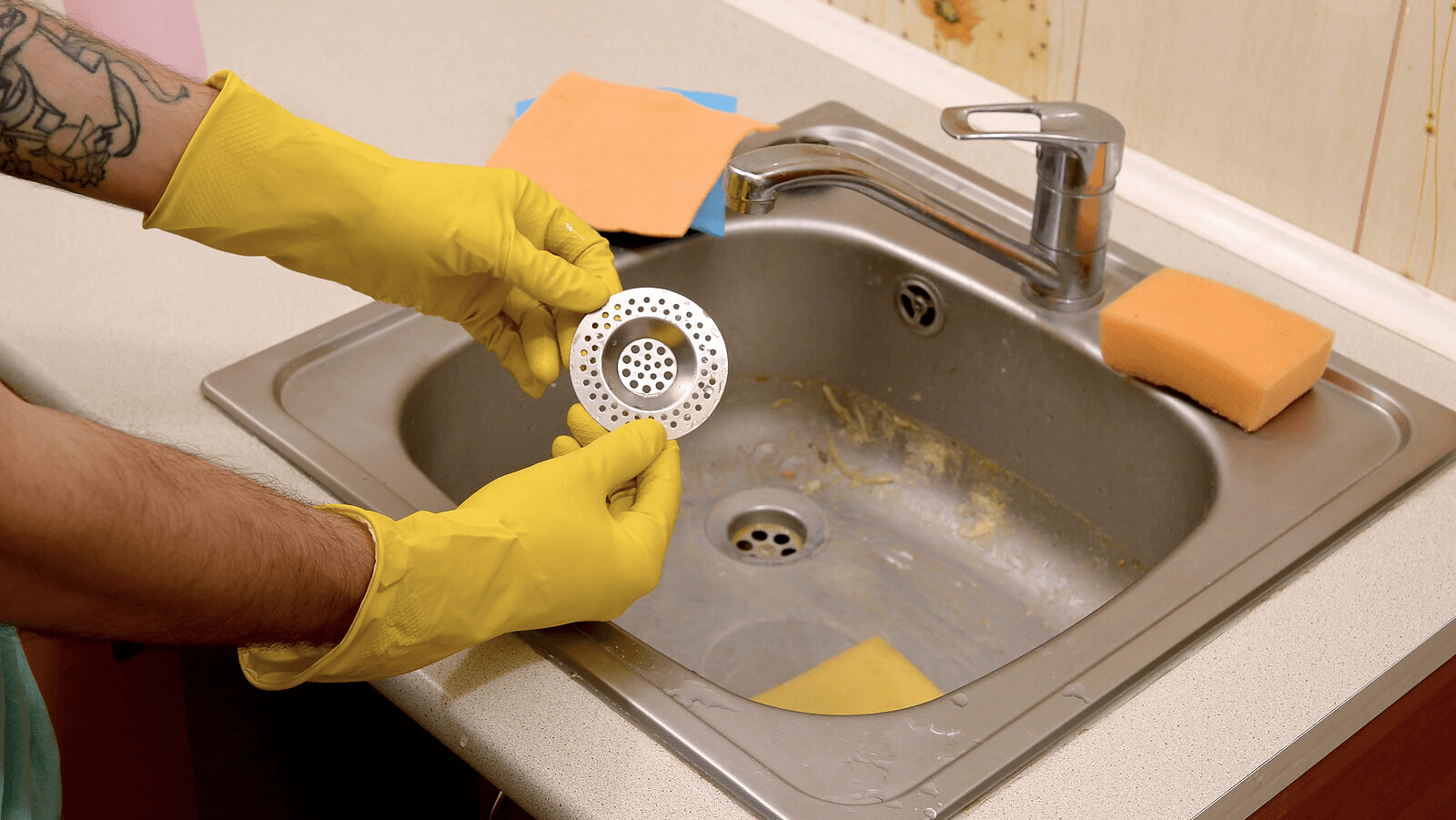
Every home relies on a network of pipes that quietly whisk away wastewater from kitchens and bathrooms. While most of us only notice our plumbing when something goes wrong, it is worth asking: which drains cause more headaches, the ones in the kitchen or the ones in the bathroom? The answer is not always straightforward. Both play different roles in your household plumbing, and both can develop issues that may require the help of your local plumbers.
Let’s explore the unique challenges of each, what causes blockages, and why some drains seem to give you more grief than others.
Why Kitchen Drains Get Clogged
Kitchens are the heart of the home, but they are also one of the biggest culprits when it comes to drain trouble. The main reason is simple: food waste, grease, and oils.
When cooking, it is tempting to rinse plates or pans straight into the sink. Even tiny amounts of fat, butter, or oil can solidify once they hit the cooler pipes. Over time, this builds up into thick layers that trap crumbs, coffee grounds, and other debris. The result is a sticky mess that clogs pipes and slows down water flow.
Dishwashers connected to the same line add to the problem. Bits of leftover food get washed down, and detergents create sudsy residue that coats pipes. While garbage disposals can help, they often give people a false sense of security, leading to even more food scraps being pushed down the drain.
In short, kitchen drains are under constant attack from the by-products of everyday cooking and cleaning. Unless you are diligent about scraping plates, collecting grease, and rinsing carefully, you will likely face regular clogs in this part of your plumbing.
The Trouble with Bathroom Drains
Bathrooms bring their own set of challenges. Unlike kitchens, the biggest issue here is hair, soap scum, and toiletries that do not belong in the pipes.
Hair is notorious for causing slow drains. It tangles easily and, once combined with soap, forms clumps that act like nets inside the pipes. This build-up often goes unnoticed until water starts pooling at your feet in the shower or the basin takes minutes to drain.
Toilets can also be a major source of plumbing headaches. Flushing items like wet wipes, cotton pads, or sanitary products leads to blockages that are far more difficult to clear than standard waste. Even products marketed as “flushable” often do not break down properly, causing stubborn clogs.
Bathroom sinks and showers also suffer from the residue of toothpaste, shaving cream, and skin products. These substances may seem harmless, but over time, they create sticky films inside pipes. Combine that with hair, and you have a recipe for recurring blockages.
Comparing Kitchen and Bathroom Drains
So, which causes more trouble: kitchens or bathrooms? The truth is that it depends on the household.
- Kitchens tend to experience more frequent minor clogs due to grease and food scraps. These issues can often be managed with good habits, like disposing of grease in the bin rather than the sink.
- Bathrooms are more prone to stubborn blockages that can escalate quickly. Hair and wipes form clogs that are difficult to dislodge, often requiring tools or professional assistance.
If we were to measure purely on inconvenience, bathroom drains often edge out the kitchen. A blocked shower or toilet affects your daily routine immediately, while a slow kitchen sink may be frustrating but still usable for a short time. However, kitchen drains can cause more long-term damage if grease and food waste build up unnoticed inside your pipes.
How Local Plumbers Handle the Problem
When blockages do happen, local plumbers are the best people to call. They deal with these issues daily and know the quickest ways to get your water flowing again.
For kitchen drains, plumbers often use mechanical drain snakes or high-pressure water jetting to break up grease build-up and flush the pipes clean. They may also recommend enzyme-based treatments that help prevent grease from solidifying.
In bathrooms, plumbers typically remove hair clogs with specialised tools and check toilets for deeper blockages in the sewer line. If wipes or sanitary products have caused the problem, a plumber may need to dismantle part of the line or use a camera inspection to locate and remove the obstruction.
Local plumbers can also give you personalised advice on preventing future issues. Because they understand the specific plumbing systems and water conditions in your area, they can recommend practical steps that work for your household.
Preventing Drain Trouble at Home
The good news is that most plumbing issues in both kitchens and bathrooms can be avoided with a few simple habits:
- In the kitchen: scrape plates into the bin, collect grease in a jar rather than washing it down the sink, and use sink strainers to catch scraps.
- In the bathroom: install drain covers in showers to catch hair, avoid flushing anything other than toilet paper, and rinse basins regularly with hot water to reduce soap build-up.
Regular maintenance is also essential. Even with good habits, some build-up is inevitable. Booking a routine inspection with your local plumbers ensures small issues are cleared before they turn into big, expensive problems.
Final Thoughts
Both kitchen and bathroom drains can be a source of trouble, but in different ways. Kitchens often suffer from gradual build-ups of grease and food waste, while bathrooms face sudden blockages caused by hair, soap, and non-flushable items.
Whichever drain gives you more headaches in your home, the key is prevention and early action. Good habits go a long way, but when problems arise, calling experienced local plumbers is the safest way to get your plumbing back in order.
By understanding the common issues each type of drain faces, you can protect your pipes, save money on repairs, and keep your household running smoothly.


- How to Maximize Home Office Space in a Studio or One-Bedroom ApartmentAs more people continue working from home, renters are rethinking how they use every square foot of their apartments. A productive home office doesn’t require a dedicated room. With intentional design, even a studio apartment or one-bedroom layout can support focused work while still feeling... The post How to Maximize Home Office Space in a […]