
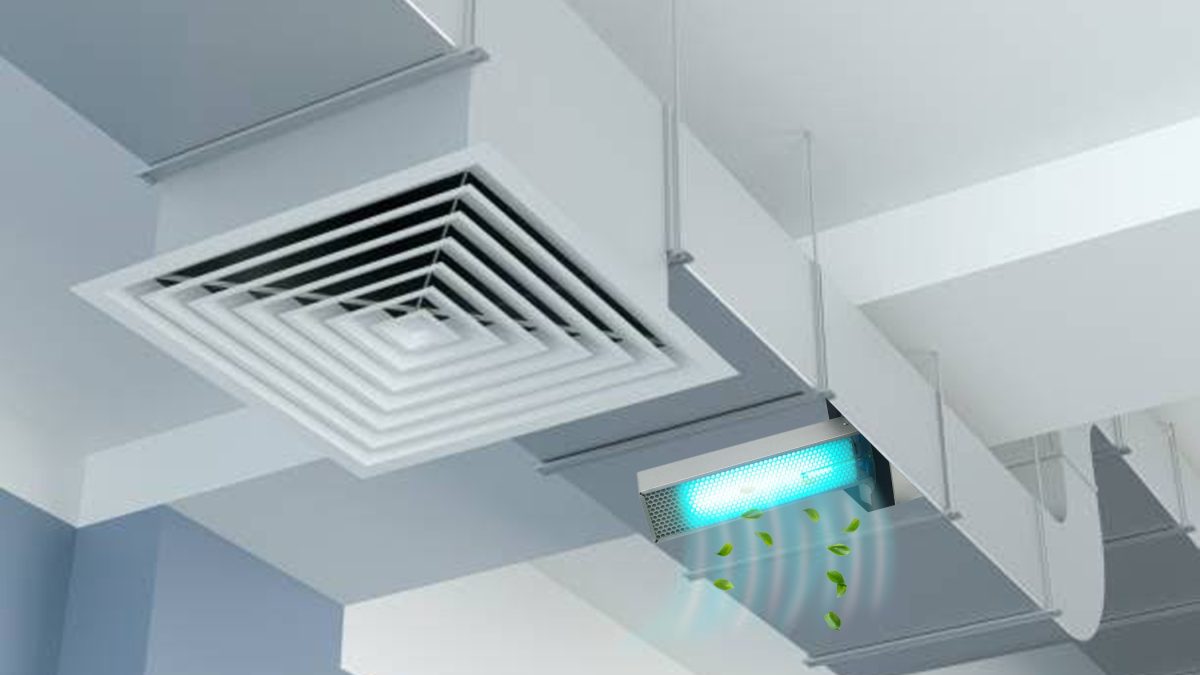

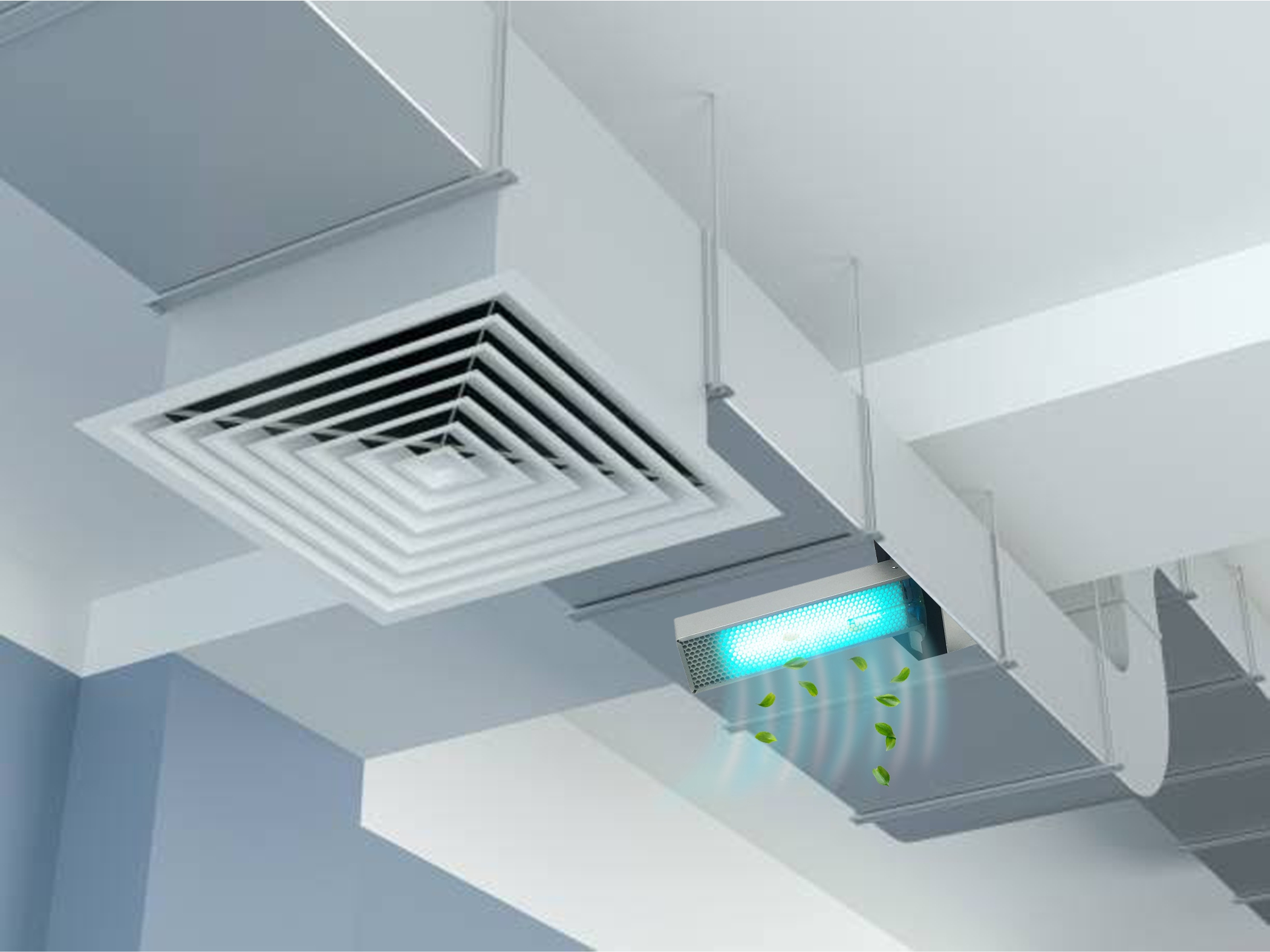
For many homeowners, the first thought when tackling indoor air quality is to buy a portable air purifier. But these machines only clean one room at a time, and the costs add up quickly if you try to place one in every bedroom, living space, or office. The truth is that your HVAC system already has the potential to handle most of the air quality work for the entire house — if it’s set up and maintained correctly. By looking beyond the typical “just get a purifier” advice, you can make meaningful improvements to the air you breathe every day.
Your HVAC System Is the Whole-Home Air Purifier You Already Own
Every time your cooling or heating system runs, it pulls air through a filter. That’s an opportunity to remove dust, pollen, pet dander, and other particles — not just from one room, but from the entire home. The catch is that most standard filters aren’t designed for health; they’re designed to protect the equipment. A cheap filter with a low MERV rating will stop large debris from damaging your furnace or air handler but will let smaller allergens pass through freely.
Upgrading to a filter with a MERV rating of 11–13, if your system can handle it, immediately raises your air quality without requiring another device in the living room. This is where the advice of an HVAC tech matters. They can tell you the highest filter rating your blower can handle without restricting airflow. With the right filter in place, your HVAC system becomes the backbone of whole-home air cleaning.
Why Airflow Matters More Than Extra Machines
Even the best filter won’t help if the system isn’t moving enough air. Poor airflow is one of the most common reasons homeowners call for HVAC repair, often because of clogged ducts, blocked vents, or a failing blower motor. But from an air quality perspective, airflow is just as important as heating or cooling efficiency.
When air doesn’t circulate, dust and allergens settle into carpets, furniture, and ductwork. Then, every time the furnace or AC does turn on, those pollutants get stirred up again. Running your fan on “circulate” or “on” mode helps air move through the filter more consistently, giving you cleaner air without having to run multiple purifiers in every room. While this adds some energy use, it’s still more efficient than powering several stand-alone machines all day long.
Moisture: The Overlooked Side of Indoor Air Quality
Many homeowners focus only on dust and pollen when thinking about IAQ, but humidity control is just as important. Air that’s too dry in winter — a common issue when furnaces run frequently — irritates the respiratory system and makes people more susceptible to colds and sinus issues. On the other hand, air that’s too humid in summer encourages mold growth and dust mites.
Your heating system can be equipped with humidifiers or dehumidifiers that integrate directly into the ductwork, controlling moisture for the entire house instead of room by room. An HVAC tech can recommend the right setup for your climate. Even without add-ons, paying attention to humidity readings (a simple hygrometer costs less than $20) helps you know when to adjust how you’re running the system. This is a smarter, whole-home solution compared to scattering small plug-in humidifiers or dehumidifiers across multiple rooms.
The Role of Regular Maintenance
Clean air depends on clean equipment. A neglected furnace or air conditioner becomes a breeding ground for dust, mold, and bacteria that circulate into every room. That’s why scheduling seasonal maintenance is about more than just keeping the unit efficient. When an HVAC tech inspects and services the system, they clean coils, check for leaks, and make sure condensation is draining properly.
Skipping maintenance often leads to air quality complaints long before mechanical failures. Homeowners might notice musty odors when the AC kicks on, or extra dust settling after running the furnace. These are signs that the system itself is part of the problem. Consistent service prevents that and also reduces the chance of costly HVAC repair down the road.
Ventilation: Fresh Air Without Energy Loss
Another key piece of air quality is ventilation — how much fresh air is coming in versus stale air being recirculated. Opening windows works in mild weather, but it’s not practical year-round. That’s where energy recovery ventilators (ERVs) and heat recovery ventilators (HRVs) come in. These systems connect to your HVAC ducts and bring in outdoor air while capturing energy from outgoing air, so you don’t lose heating or cooling efficiency.
While they’re not as widely known as air purifiers, ventilators tackle something purifiers can’t: replenishing oxygen and diluting indoor pollutants like carbon dioxide and VOCs. For families that spend a lot of time indoors — especially in airtight modern homes — this makes a noticeable difference in comfort and focus.
Simple Habits That Help Your HVAC Do Its Job
While system upgrades make the biggest difference, small habits matter too. Keeping vents unblocked by furniture, vacuuming return grilles regularly, and replacing filters on schedule all give your HVAC system the chance to filter effectively. It doesn’t take extra machines or gadgets, just consistency.
Cooking with ventilation fans on, using bathroom fans during showers, and keeping the home relatively decluttered all limit the load of particles and moisture your system has to manage. These steps might sound small, but when combined with the right filter and proper maintenance, they reduce the need for multiple purifiers dramatically.
The Bottom Line
Improving indoor air quality doesn’t require buying air purifiers for every room. Your HVAC system already has the reach and power to handle the entire home, but only if it’s optimized. That means using higher-quality filters, maintaining good airflow, controlling humidity, and scheduling regular service with a qualified HVAC tech. For homeowners willing to take these steps, the result is cleaner, healthier air, lower equipment strain, and fewer surprise HVAC repair bills.
Instead of scattering machines throughout the house, treat your heating system and furnace as the whole-home solution they’re designed to be. With the right care, they’ll provide both comfort and clean air — without the clutter of multiple purifiers.


- Why Growing Workshops Need to Treat Abrasives as a Business Decision, Not a Consumables Line ItemA lot of Australian workshops still buy abrasives the same way they buy tea bags, gloves or bin liners. Someone spots a deal, a carton lands, the team uses it until it runs out, then the cycle repeats. That works for a while. It usually... The post Why Growing Workshops Need to Treat Abrasives as […]