

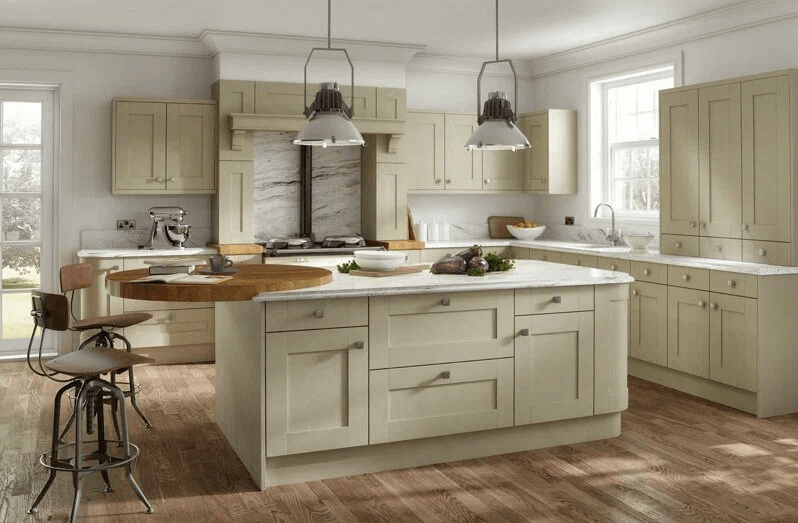
 Cabinet doors define your kitchen’s personality more than any other single element. The style you choose sets the entire room’s aesthetic direction immediately.
This decision ripples through every other design choice you’ll make. Traditional raised-panel doors dominated for decades creating ornate, detailed looks. These elaborate styles conveyed warmth and classic elegance homeowners loved. But design preferences evolve as lifestyles and architecture change.
Contemporary Milwaukee, WI homeowners increasingly embrace minimalist aesthetics emphasizing clean lines and simplicity. They want spaces feeling uncluttered, calm, and sophisticated. This shift affects everything from furniture to architectural details.
Flat door kitchen cabinets perfectly capture this modern sensibility with their sleek, streamlined appearance. The simple slab construction eliminates decorative elements creating peaceful visual simplicity. This understated elegance resonates strongly with current design consciousness.
The switch to flat panels represents more than following trends. Practical advantages and lifestyle compatibility drive this movement as much as aesthetics. Understanding why this shift happens helps you make informed decisions for your own space.
The Visual Impact of Simplicity
Flat panels create horizontal emphasis making kitchens feel wider and more expansive. The uninterrupted lines draw eyes across spaces rather than focusing attention on details. This visual trick particularly benefits smaller kitchens needing spatial expansion.
Minimalist door styles disappear into backgrounds letting other elements shine. Countertops, backsplashes, and fixtures become focal points instead. This hierarchy creates balanced compositions where nothing competes for attention.
The clean aesthetic complements contemporary architecture beautifully. Open floor plans with large windows and simple lines need equally streamlined cabinetry. Ornate traditional doors feel out of place in these modern contexts. Light interacts differently with flat surfaces than detailed panels
Shadows don’t collect in grooves and crevices creating consistent appearance. The uniform reflection maintains visual calm throughout spaces. Color appears more pure and saturated on smooth surfaces. Paint reads truer without recessed details breaking up fields. This characteristic makes bold cabinet colors work better on flat doors.
Understanding minimalist design principles reveals why flat styles resonate currently. The movement emphasizes “less is more” eliminating unnecessary ornamentation. Cabinet doors represent perfect opportunities applying this philosophy.
Lifestyle Compatibility Factors
Busy modern families prioritize easy maintenance over decorative details. Flat surfaces clean faster than detailed panels with multiple crevices. A quick wipe removes fingerprints and splashes without detailed attention. Dust and grease don’t accumulate in grooves that don’t exist.
This practical advantage saves time during weekly cleaning routines. The efficiency particularly appeals to working parents juggling multiple responsibilities.
Contemporary cooking styles focus more on function than formal presentation. Kitchens serve as active workspaces rather than showpieces. Simple, durable surfaces suit these utilitarian approaches better.
Open-plan living means kitchens remain constantly visible from other rooms. Homeowners want backgrounds that don’t demand attention or feel visually busy.
Flat doors provide this unobtrusive presence perfectly. Technology integration works better with streamlined cabinetry. Touch-to-open mechanisms and handleless designs require smooth surfaces.
These modern conveniences align naturally with flat panel aesthetics. The practical benefits extend beyond just cleaning efficiency. Flat doors typically cost less to manufacture than raised panels. This price advantage makes high-quality materials more affordable across entire kitchens.
Comparing Traditional and Contemporary Approaches
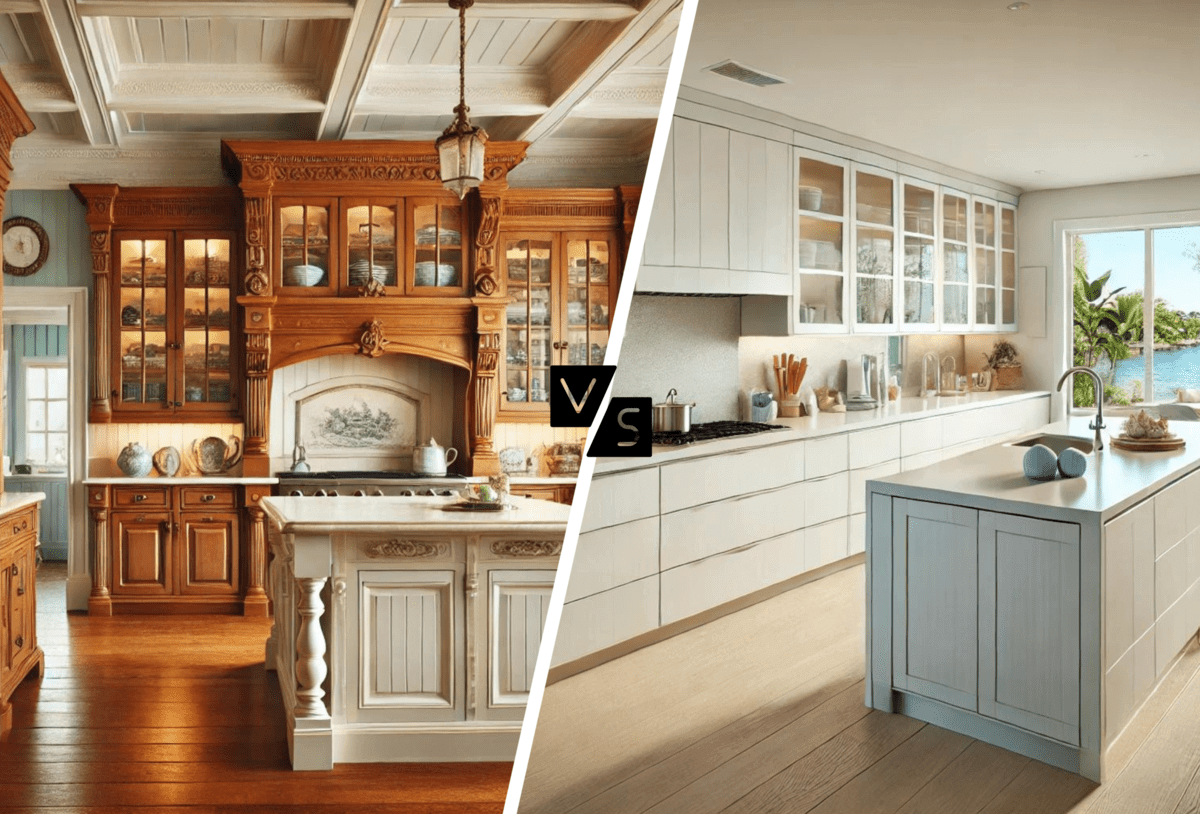
The shaker vs flat panel cabinets debate dominates many kitchen planning discussions. Each style offers distinct advantages depending on your priorities and context. Understanding these differences helps clarify which direction suits you.
Shaker doors feature frame-and-panel construction with recessed centers.
This traditional method creates dimensional interest through shadow and depth. The style bridges traditional and contemporary successfully. Flat panels use single-piece slab construction without frames or details. Manufacturing simplicity reduces costs while creating modern appearances. The straightforward approach suits both budget and aesthetic goals.
Shaker styles work across broader design ranges from farmhouse to transitional. Their versatility explains enduring popularity despite changing trends.
The middle-ground positioning appeals to cautious homeowners. Flat panels make stronger contemporary statements with clearer design direction. They commit fully to modern aesthetics without hedging. This decisiveness creates more cohesive, intentional-looking spaces.
Traditional raised panels feel increasingly formal in casual modern lifestyles. The ornate detailing suggests formality many homeowners no longer want.
Contemporary living emphasizes comfort over ceremony. Exploring cabinet door construction methods shows how manufacturing affects both cost and appearance. Simpler construction typically means lower prices and faster production. These practical considerations influence many homeowners’ decisions.
Color and Finish Flexibility
Flat doors showcase paint colors brilliantly without detail interference. Bold hues read cleanly across smooth expanses.
This characteristic encourages adventurous color choices homeowners might avoid otherwise. Two-tone combinations work particularly well with flat panels. Contrasting colors on upper and lower cabinets create striking effects. The clean transitions between colors appear intentional and sophisticated.
Wood grain patterns display beautifully on flat surfaces. Natural variations become features rather than fighting with raised details. This allows wood tones to shine in contemporary contexts. High-gloss finishes reflect light dramatically on smooth doors. The mirror-like appearance creates luxurious, modern effects. Achieving similar results on detailed doors proves much more challenging.
Matte finishes on flat panels create sophisticated, touchable surfaces. The soft sheen feels current and refined. This finish hides fingerprints better than glossy alternatives too.
Texture experiments work better on simple surfaces. Unique finishes like concrete effects or metallic glazes need smooth bases. Flat doors provide ideal canvases for these specialty treatments.
Transform your kitchen aesthetics with professional guidance on finish selection and application. Experienced designers understand how different treatments interact with door styles. Their expertise prevents expensive finish mismatches.
Hardware Considerations and Options
Handleless designs create seamless, uninterrupted appearances. Touch-to-open mechanisms eliminate visible hardware entirely. This ultra-minimal approach works exclusively with flat door styles.
Integrated pulls routed into door edges maintain clean lines. The handles become part of doors rather than added elements.
This detail-oriented approach suits contemporary sensibilities perfectly. Minimalist bar pulls complement flat panels beautifully. Simple metal lines echo door simplicity without competing visually. The hardware-door relationship feels intentional and coordinated.
Bold statement hardware creates interesting contrast on plain doors. Oversized pulls or unique finishes pop against neutral backgrounds.
Flat panels let hardware personality shine through. Hidden hinges maintain smooth exterior appearances. European-style concealed hinges work perfectly with flat construction. The invisible mechanics support the minimal aesthetic completely.
Hardware placement options increase with flat doors. Without frame restrictions, pulls can mount anywhere functionally optimal. This flexibility improves ergonomics and user experience.
Regional Adoption and Local Availability
Oak Creek, Milwaukee, WI area showrooms increasingly feature flat panel displays prominently. Local preferences shift toward contemporary styling matching newer construction. Regional suppliers stock what customers demand.
Searching cabinets store near me reveals growing flat-door inventory across most suppliers. This availability reflects nationwide trend toward contemporary styling. Even traditional-focused retailers now offer modern options.
New construction in the region favors open plans and contemporary architecture. These homes need cabinetry matching their modern bones.
Flat panels integrate seamlessly with these architectural contexts. Remodeling projects increasingly update traditional spaces with contemporary finishes. Flat cabinet doors dramatically modernize dated kitchens affordably. The transformation feels complete without full gut renovations.
Local kitchen design professionals guide Milwaukee, WI homeowners through style transitions successfully. They balance personal preferences with resale considerations specific to regional markets.
This expertise ensures choices work practically and aesthetically. Professional fabricators now invest in equipment optimized for flat-door production. The manufacturing efficiency reflects market demand shifting permanently. This infrastructure supports continued style availability.
Investment and Value Perspectives
Flat doors typically cost 15-30% less than equivalent raised-panel styles. The simpler construction requires less material and labor. These savings apply to both materials and installation.
Lower costs allow upgrading other kitchen elements within budgets. Better countertops or appliances become affordable when saving on cabinets. This strategic allocation maximizes overall kitchen quality.
Resale considerations vary by market and buyer demographics. Younger buyers strongly prefer contemporary styling including flat doors.
Traditional buyers might find them too stark or cold. Timelessness concerns affect long-term satisfaction. True minimalist design has proven staying power across decades. Quality flat doors won’t feel dated quickly despite trend cycles.
Durability equals or exceeds traditional styles with proper construction. Fewer joints and details mean less potential failure. Well-made flat doors last generations like any quality cabinetry.
The investment in contemporary styling positions homes well for future sales. Design trends continue moving toward minimalism and simplicity. Flat doors align with this trajectory perfectly.
Material Selection Impacts
Medium-density fiberboard (MDF) works excellently for painted flat doors. The smooth, uniform surface accepts paint beautifully.
Cost advantages over solid wood make quality finishes more accessible. Solid wood flat doors showcase natural grain patterns gorgeously. Species like walnut or white oak display character without detail interference. The simple construction lets material beauty dominate.
Thermofoil wrapped doors offer durable, moisture-resistant surfaces. The vinyl coating resists kitchen humidity and cleaning chemicals. This practical option suits budget-conscious homeowners.
Metal flat doors create industrial-chic aesthetics. Stainless steel or aluminum brings unique character. These specialty options work in very contemporary or commercial-style kitchens. Acrylic high-gloss doors deliver ultra-modern European styling. The reflective surfaces create dramatic, luxurious appearances. Maintenance requires care but visual impact justifies effort for many.
Laminate technology creates convincing wood-look flat doors affordably. High-resolution imaging produces realistic grain patterns. Budget limitations no longer prevent achieving desired aesthetics.
Making the Transition Successfully
Start with mood boards collecting images of flat-door kitchens you love. Patterns emerge showing your true preferences. This visual exercise clarifies direction before spending money.
Visit showrooms seeing flat panels in person under various lighting. Photos never capture how surfaces actually appear. Touch doors feeling different finishes before committing.
Consider your home’s overall architecture and existing style. Flat doors work best complementing contemporary bones. Forcing modern cabinets into traditional contexts creates discord. Think about long-term plans for your home. Staying decades allows more personal style choices. Planning to sell soon suggests broader appeal considerations.
Get professional design input balancing preferences with practical realities. Experienced designers prevent mistakes and suggest options you hadn’t considered. Their expertise proves invaluable during decision processes.
Conclusion
The shift toward flat door styles reflects genuine lifestyle and aesthetic evolution. Modern homeowners value simplicity, ease of maintenance, and clean contemporary design.
Flat panels deliver all these benefits while typically costing less. This movement represents more than passing trends. Fundamental changes in how we live and what we value drive the preference.
The style aligns with contemporary architecture, technology, and daily life patterns. Whether flat doors suit your kitchen depends on personal style and practical needs.
Their advantages prove compelling for many homeowners embracing modern living. Understanding these benefits helps you decide if joining this design movement makes sense.
Frequently Asked Questions(FAQs)
Do Flat Cabinet Doors Look Cheap?
Not when properly constructed with quality materials and finishes. High-end flat doors using premium wood or finishes appear sophisticated and intentional. Quality matters more than style complexity.
Will Flat Doors Go out Of Style Quickly?
Minimalist design has proven staying power across decades. Quality flat doors remain current much longer than trendy detailed styles. Simple, well-made designs age gracefully.
Are Flat Doors Harder to Keep Clean?
Actually easier—smooth surfaces wipe clean quickly without detail crevices. Fingerprints show more on high-gloss finishes but remove easily. Overall maintenance proves simpler than raised panels.
Can I Mix Flat and Traditional Doors?
Generally not recommended as styles clash visually. Committing fully to one direction creates better results. Mixing appears indecisive rather than intentional.
Do Flat Doors Work in Traditional Homes?
They can with careful planning and complementary updates. Mixing architectural styles requires skill achieving cohesion. Professional design help prevents awkward combinations.
What’s the Best Finish for Flat Doors?
This depends on your aesthetic preferences. Matte finishes suit understated elegance while high-gloss creates drama. Both work beautifully on flat construction.


- Why Modern Homes are Switching to Flat Door StylesCabinet doors define your kitchen’s personality more than any other single element. The style you choose sets the entire room’s aesthetic direction immediately. This decision ripples through every other design choice you’ll make. Traditional raised-panel doors dominated for decades creating ornate, detailed looks. These elaborate... The post Why Modern Homes are Switching to Flat Door […]