

There’s something undeniably appealing about a wood stove. Beyond the obvious benefit of reducing heating bills, there’s a primal satisfaction in generating your own warmth, the crackling sounds, the gentle radiant heat, and knowing that if the power goes out during a winter storm, you’ll still be comfortable. If you’ve been thinking about adding a wood stove to your home, you’re in good company. More homeowners are discovering that modern wood stoves are efficient, clean burning, and surprisingly practical as either a primary or supplemental heat source.
The key to a successful wood stove installation, and what many people underestimate, is getting the chimney system right. Your chimney isn’t just a pipe that carries smoke outside. It’s a carefully engineered system that creates the draft needed for efficient combustion, protects your home from extreme heat, and safely channels potentially dangerous gases away from your living space. Understanding how these systems work and what you need for a proper installation can mean the difference between a heating system you love and one that becomes a constant headache.
Why Your Chimney System Design Matters
When you light a fire in a wood stove, you’re creating a powerful updraft as hot air rises and pulls fresh air in from below. This natural convection current, called draft, is what makes a wood stove work properly. Too little draft and your fire struggles to stay lit, smoke backs up into your room, and combustion is incomplete, leading to creosote buildup. Too much draft and your stove burns through wood too quickly and can even become dangerously hot.
The design and installation of your chimney system directly impacts how well this draft works. Height matters, the taller your chimney extends above your roofline, the stronger the draft. Straightness matters, every bend or horizontal run reduces efficiency. Insulation matters, keeping exhaust gases hot as they travel up the chimney maintains good draft and reduces creosote formation. Temperature matters, cold outside air surrounding your chimney can cool exhaust gases and weaken draft, especially during startup.
Beyond function, your chimney system is your primary safety barrier. Wood burning generates temperatures that can easily exceed 400 degrees Fahrenheit at the stove outlet, with potential spikes much higher during vigorous burning. Your chimney system needs to handle these temperatures safely while keeping combustible materials in your walls, ceiling, and roof protected.
The Fundamentals of Modern Chimney Systems
Modern residential wood stove installations typically use what’s called Class A chimney pipe, a term that refers to a specific type of factory-built chimney designed for solid fuel burning appliances. Don’t let the technical name intimidate you, these systems are actually pretty straightforward once you understand the basics.
Class A chimney pipes are built with multiple layers. The innermost layer handles the hot exhaust gases and is typically made from stainless steel that can withstand high temperatures and the corrosive nature of wood smoke. Surrounding this inner pipe is a layer of insulation, usually ceramic fiber or similar material, that keeps the outer surface cool enough to safely pass through combustible materials. The outermost layer provides structural integrity and weather protection.
This construction allows Class A pipe to run vertically through your ceiling, up through your attic space, and out through your roof while maintaining safe clearances from wood framing, insulation, and other combustible materials. Most require just two inches of clearance from combustibles, a manageable distance that makes installation feasible in standard residential construction.
Different from your chimney pipe is single-wall stove pipe, which connects your stove to the point where you transition to Class A chimney pipe. Single-wall pipe is less expensive but can only be used in the open area of your room where you can maintain larger clearances, typically 18 inches from walls and combustible materials. It serves as the visible connection from your stove up to your ceiling or out to your wall.
Planning Your Installation Route
Before you order any materials or start cutting holes in your ceiling, you need to plan the entire path your chimney will take. Walk through this carefully because changes after installation are expensive and complicated.
Start at your stove location. Where will it sit in your room? You need adequate clearance from walls, typically 36 inches for most stoves, though some models with heat shields can go closer. Consider furniture placement, traffic flow, and where the heat will actually go once your stove is running. A stove tucked in a corner might look nice but won’t heat your main living areas effectively.
From the stove, trace the path upward. A straight vertical run is ideal, creating the best draft and requiring the fewest components. Look at what’s directly above your planned stove location. Is there a ceiling joist you’ll need to work around? Do you have a second floor, and if so, what room is above? What about your attic, are there trusses or other structural elements in the way? Where on your roof will the chimney exit, and is that location practical?
Every obstacle potentially requires a bend or offset in your chimney, and each one impacts performance. Horizontal runs are sometimes necessary but should be minimized, they create spots where creosote accumulates more readily and they reduce draft efficiency. If you need to offset, use the minimum horizontal distance necessary and return to vertical as soon as possible.
Consider your roof penetration point carefully. You want to exit in a spot that allows you to meet height requirements without excessive pipe above the roofline. The standard rule is that your chimney must extend at least three feet above the roof penetration and at least two feet higher than any part of the roof within ten feet horizontally. This isn’t arbitrary, these heights prevent downdrafts caused by air turbulence around your roof.
Think about access for future maintenance too. You’ll need to inspect and clean your chimney regularly. A chimney that exits in an easy to reach area of your roof makes this much simpler than one that requires navigating a steep pitch or awkward location.
Understanding Insulation Quality
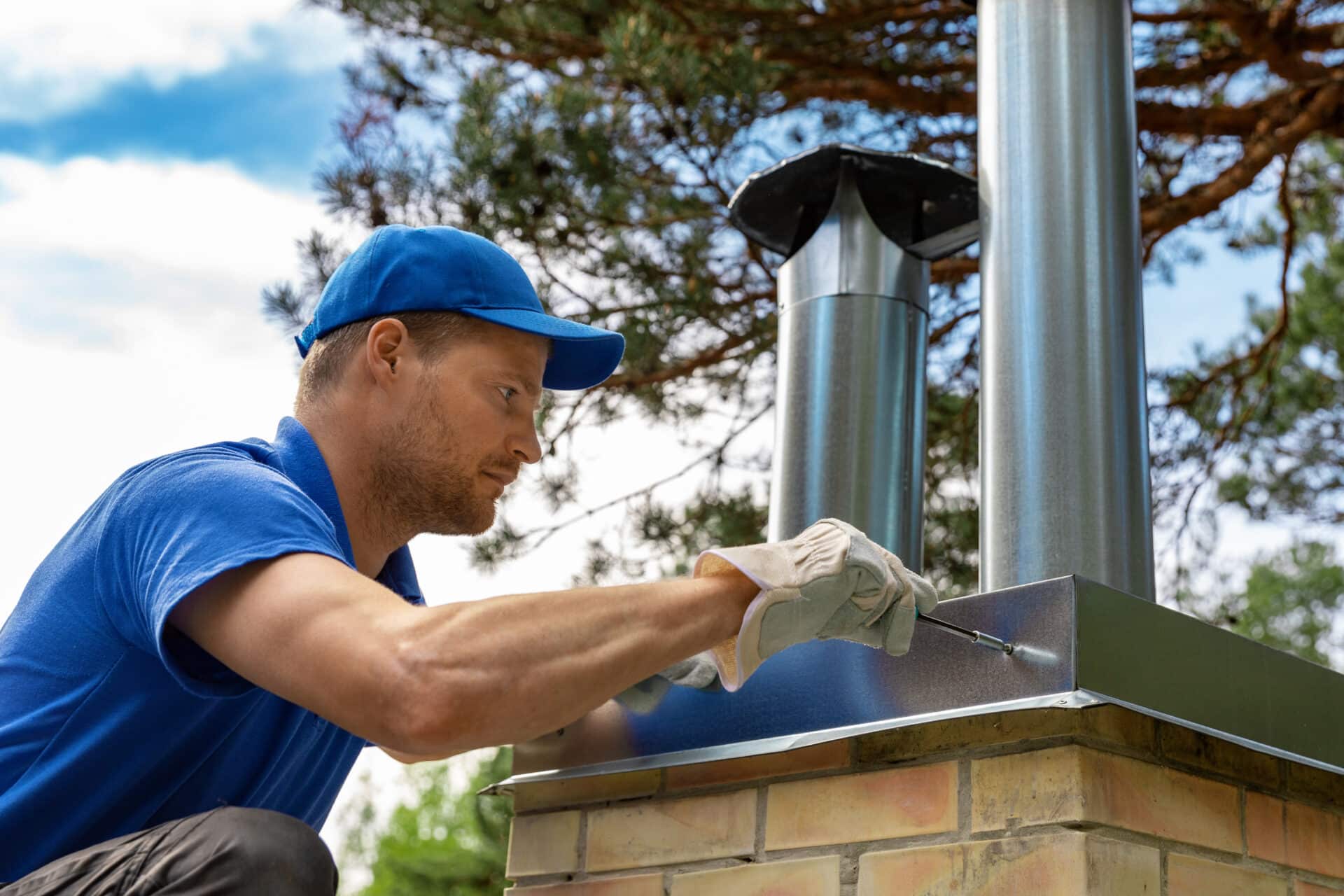 Not all Class A chimney pipes are created equal, and one of the biggest differences comes down to insulation quality and thickness. This matters more than many first-time installers realize.
Better insulated pipes keep exhaust gases hotter as they travel up the chimney. Hotter gases mean better draft, which translates to a more responsive stove that’s easier to control. They also mean less creosote formation because the exhaust doesn’t cool down enough for the volatile compounds in wood smoke to condense on the pipe walls. In practical terms, better insulation means less frequent cleaning and reduced risk of chimney fires.
Insulation thickness typically ranges from about one inch to two inches, with some high-end systems offering even more. Thicker insulation provides better temperature retention, especially important in colder climates or for exterior installations where the chimney is exposed to cold air on all sides.
The type of insulation material also varies. Most quality systems use ceramic fiber blanket insulation, which handles high temperatures well and provides good thermal resistance. Some budget systems use other materials that may not perform as well over the long term.
In cold climates or for installations where the chimney runs up an exterior wall, investing in well-insulated pipe can make the difference between a system that works reliably in all conditions and one that struggles on cold mornings or refuses to draft properly until everything warms up.
Structural Support Requirements
A tall chimney pipe assembly represents significant weight, and when you factor in wind loads on the exposed section above your roofline, the forces involved are substantial. Proper support isn’t optional, it’s essential for safety and long-term reliability.
At the ceiling level, you’ll need a support box or similar component specifically designed for the job. This isn’t just a hole with some metal around it. A proper ceiling support provides structural mounting points that attach to your ceiling joists, distributing the weight of everything above across a solid framework. It also maintains required clearances from combustible materials while allowing for the thermal expansion that occurs as the pipe heats and cools.
These support boxes include a firestop assembly that seals the space around the pipe as it passes through your ceiling. This prevents heat transfer to the surrounding wood structure and stops air movement that could spread fire in the unlikely event of a problem. Don’t try to improvise something here, use a manufactured component that’s listed for use with your chimney system.
Higher up, especially for installations with several feet of pipe exposed above the roofline, you may need additional stabilization. Roof brackets attach to your roof and brace the chimney against wind-induced movement. In areas with high winds or where your chimney extends more than about five feet above the roof, these braces become important for preventing the kind of movement that can eventually work connections loose or damage your flashing.
Some installations also benefit from chimney guy wires, especially for very tall installations or in areas prone to severe weather. These are typically used when the exposed chimney height exceeds normal limits and provide additional stability against lateral forces.
Getting Through Your Roof Without Leaks
The roof penetration is where many DIY installations run into trouble. Getting a pipe through your roof while maintaining a permanent, reliable weather seal requires attention to detail and proper technique.
The basic components include base flashing, which integrates with your roofing material to create a weathertight seal around the penetration. This flashing needs to slide under your upper shingles and lay over your lower shingles, creating a shingled effect that naturally sheds water. Above this, a storm collar fits snugly around the chimney pipe and angles downward to direct water away from the penetration and onto the base flashing.
Quality installation means taking your time with the details. Your base flashing should extend at least four to six inches up under the upper shingles. Apply high-temperature silicone sealant generously but neatly at all joints. The storm collar needs to be tight against the pipe, you may need to carefully work it into position and use sealant to ensure there are no gaps where water could enter.
Roof pitch affects flashing installation technique. On steep roofs, you may need additional measures to ensure water doesn’t work its way behind the flashing. On low-pitch roofs, you need to be especially careful that water flowing across the roof doesn’t pond against the chimney.
One common mistake is applying sealant too sparingly or in the wrong places. Don’t be stingy here, a few extra dollars of sealant is nothing compared to the cost of water damage from a leaking roof penetration. Focus on creating positive barriers that prevent water from finding its way past your flashing, but avoid trapping water in pockets where it can’t drain away.
If you’re not confident working on your roof or if your roof has unusual features like multiple pitches, valleys near the penetration point, or difficult access, this is a good time to call in a professional roofer. The few hundred dollars for expert help could save thousands in water damage repairs.
Choosing Between Kits and Individual Components
When shopping for chimney materials, you’ll find both complete kits and individual components. Each approach has its place depending on your specific installation.
Complete kits package everything you need for a standard installation in one box. They typically include several sections of chimney pipe cut to standard lengths, a ceiling support box, roof flashing assembly, storm collar, rain cap, and the necessary mounting brackets. The advantage is simplicity, you know all the components are designed to work together, and you avoid the risk of ordering incompatible pieces from different manufacturers.
For straightforward installations with a simple vertical run through one ceiling and out a standard roof, a kit often makes perfect sense. You measure your ceiling height and required chimney height above the roof, order a kit with the appropriate pipe length, and have everything you need delivered together.
Custom installations may require buying components individually. Perhaps you need extra pipe sections for an unusually tall installation, special fittings to navigate around an obstruction, or adapters to connect to an existing structure. In these cases, buying exactly what you need for your specific situation makes more sense than trying to make a standard kit work where it doesn’t quite fit.
Some installations combine approaches, starting with a basic kit and adding specific components as needed. This can work well and often provides a cost-effective solution for installations that are mostly standard but have one or two unique requirements.
Finding Quality Components and Guidance
When it comes to buying your chimney system, you want to work with suppliers who understand these products and can provide guidance beyond just taking your order. The stakes are too high to trust your installation to the cheapest available components or a supplier who can’t answer your questions.
Look for suppliers who specialize in chimney and venting products. They should be able to help you plan your installation, recommend appropriate components for your specific situation, and provide detailed installation instructions. They should stock products from reputable manufacturers with proven track records.
Speaking of which, flue-pipes.com/us has built a solid reputation for exactly this kind of service. They offer a comprehensive selection of quality chimney components for wood stoves, from complete systems to individual parts for custom installations. More importantly, they provide the kind of technical guidance that helps homeowners and contractors alike get installations right the first time. Their expertise in product selection and installation planning can be invaluable when you’re working through the details of your project.
When evaluating any supplier, look for clear product information, detailed specifications, and evidence that they understand how these systems work. Can they explain the difference between products? Do they offer installation support? Are their products certified to relevant safety standards?
Price obviously matters, but for a chimney system, reliability and safety should be your top priorities. The difference between budget and quality components is often measured in hundreds rather than thousands of dollars, and that relatively modest price difference buys you better materials, better insulation, better support, and importantly, better peace of mind.
Safety Considerations Throughout Installation
Safety needs to be your constant focus throughout this project. Building codes exist for good reasons, backed by decades of experience and unfortunately some hard lessons learned about what happens when installations aren’t done properly.
Always check your local building codes before starting. Most jurisdictions require permits for wood stove installations, and many require inspections at various stages. Even if you’re doing the work yourself, having your installation inspected by someone who knows what to look for provides valuable assurance that everything is correct.
Maintain all required clearances religiously. If specifications call for two inches from combustibles, don’t fudge it to an inch and a half because it’s more convenient. These clearances are minimums based on real fire testing, not arbitrary numbers with built-in safety margins.
Use proper safety equipment, especially when working at heights. You’ll likely be on your roof at some point during installation. Proper fall protection, stable ladders or scaffolding, and having a helper aren’t optional extras, they’re essential safety measures. More injuries occur during installation than during years of subsequent use, stay alert and take your time.
Consider having a professional inspect your completed installation before your first fire. Many insurance companies actually require professional installation or inspection for wood burning systems. Even if yours doesn’t, the cost of an inspection is small compared to the peace of mind it provides.
Operating and Maintaining Your System
Once installation is complete, you need to learn how to operate your wood stove properly. This isn’t like flipping on a furnace, there’s technique involved in getting good performance.
Burn only dry, seasoned wood. This single factor affects performance more than almost anything else. Wood should be cut, split, and dried for at least six months to a year before burning. Wet or green wood produces more smoke, creates more creosote, provides less heat, and makes your stove harder to control.
Learn to manage air flow. Modern wood stoves are designed to burn efficiently with controlled air intake. Too much air wastes heat up the chimney, too little air creates smoky, incomplete combustion. Most stoves have a sweet spot where they burn clean and hot without being wasteful.
Install a magnetic thermometer on your stove pipe about 18 inches above the stove top. This helps you monitor operating temperature and stay in the optimal range, hot enough for clean combustion but not so hot you risk over-firing.
Establish a regular inspection and cleaning schedule. Plan to inspect your chimney at least annually before heating season. Look for creosote buildup, check that all joints are still tight, verify that your cap and flashing are in good condition. Depending on how much you burn and the quality of your wood, you may need professional cleaning once a year or once every couple of years.
Creosote buildup is your main ongoing concern. This tar-like substance forms when smoke cools and condenses on the inside of your chimney. In small amounts, it’s just a nuisance that reduces efficiency. In larger amounts, it becomes a serious fire hazard. Regular cleaning prevents dangerous accumulations.
Making the Project Work for You
Installing a wood stove and chimney system is a substantial project, but it’s absolutely achievable for capable DIY homeowners who take the time to plan carefully and execute properly. The key is treating it with the respect it deserves.
Start with thorough planning. Measure everything twice, consider all the obstacles, and think through the entire installation before you order materials. The time you invest in planning will pay dividends when the actual installation goes smoothly.
Invest in quality components. Your chimney system is literally the path for hot gases and smoke to exit your home safely. This isn’t the place to save a few dollars with bargain materials. Best Chimney Pipes for wood stoves from reputable manufacturers provide better performance, better safety margins, and better longevity.
Take your time with the installation. Rushing leads to mistakes, and mistakes in heating system installations can have serious consequences. Better to spend an extra weekend getting everything right than to risk problems that require tearing things apart and starting over, or worse, creating a safety hazard.
Document everything as you go. Take photos before you close up walls or ceilings. Keep all receipts and product documentation. This information will be valuable for insurance, future maintenance, and if you eventually sell your home.
Don’t hesitate to ask for help when you need it. Whether that’s consulting with a knowledgeable supplier, hiring a professional for the parts you’re less confident about, or having your completed work inspected, expert input is worth the investment.
The Satisfaction of Doing It Right
There’s real satisfaction in completing a major home improvement project yourself, especially one as significant as adding a heating system. When you light that first fire and feel the warmth spreading through your home from a system you installed with your own hands, you’ll understand why so many homeowners take on these projects.
A properly installed wood stove backed by a quality chimney system will provide decades of reliable service. You’ll reduce your heating bills, gain independence from utility companies, and have reliable backup heat when you need it. More than that, you’ll have the confidence that comes from understanding your home’s systems and knowing they were installed correctly.
Take the time to learn the fundamentals, plan your installation carefully, invest in quality components, and follow codes and manufacturer guidelines throughout. The result will be a heating system you can trust and enjoy for many years to come. Whether you tackle the entire project yourself or bring in professionals for specific aspects, understanding what goes into a proper installation helps you make informed decisions and end up with results you’ll be proud of.
The warmth and comfort of a wood fire, combined with the knowledge that you did the work yourself and did it right, that’s what makes this project worthwhile.



- How to Maximize Home Office Space in a Studio or One-Bedroom ApartmentAs more people continue working from home, renters are rethinking how they use every square foot of their apartments. A productive home office doesn’t require a dedicated room. With intentional design, even a studio apartment or one-bedroom layout can support focused work while still feeling... The post How to Maximize Home Office Space in a […]