
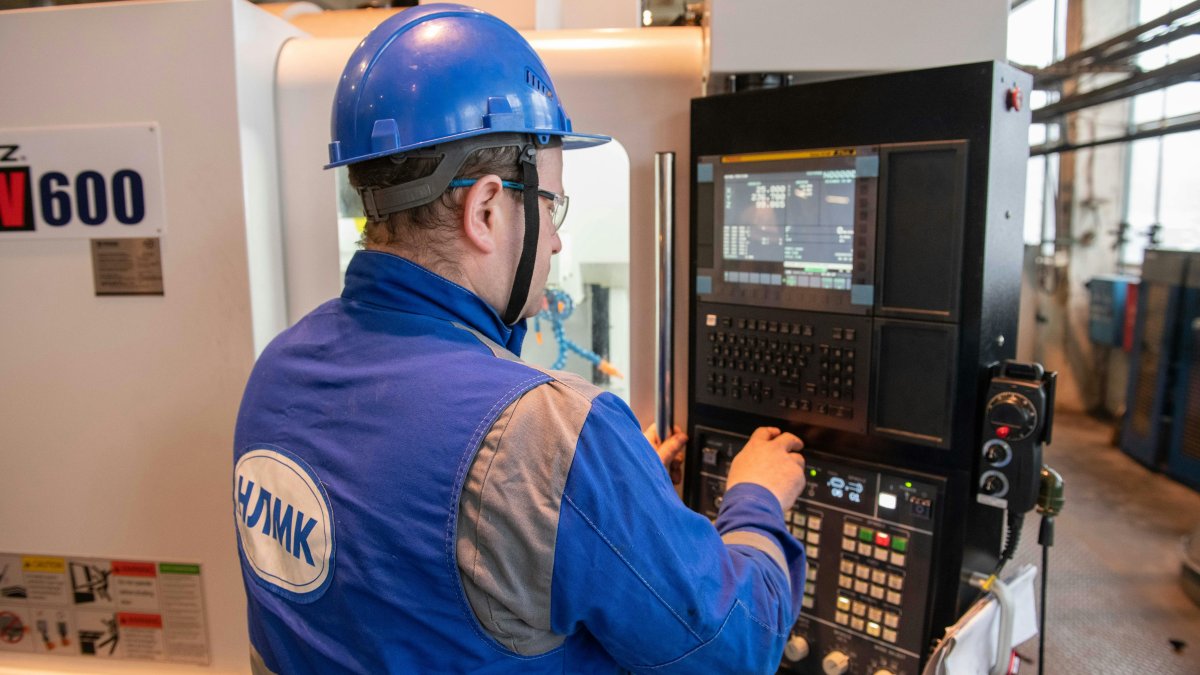

CNC machining demands precision, consistency, and discipline—but above all, it requires strict attention to safety. Whether you’re working with mills, lathes, routers, or grinders, every machine has the potential to cause serious injury if mishandled. That’s why CNC operators must follow safety protocols daily, no matter their skill level or the complexity of the job. Keeping your work environment safe starts with the right equipment and the right habits, beginning with reliable cnc machining tools that support accuracy and stability on every project.
Daily safety practices not only protect operators—they also protect machines, tools, and the quality of the parts produced. Below, we break down the core safety essentials every CNC operator should follow before, during, and after each shift.
Understanding Daily CNC Safety Requirements
Before any machine powers on, every operator should complete a thorough safety check. The first step is ensuring personal protective equipment (PPE) is worn every day. Safety glasses, steel-toed boots, and hearing protection are non-negotiable in CNC environments. Long sleeves, loose jewelry, and dangling accessories must be avoided to prevent entanglement with rotating parts. Hair should always be tied back securely.
Machine inspection is the next important step. Operators should confirm that guards, shields, and doors are properly secured and functioning. CNC machines are designed with safety enclosures for a reason: they protect against flying chips, coolant spray, and tool breakage. Never bypass or modify any protective component.
Tool inspection is equally important. Dull or damaged tooling increases the risk of breakage, poor machining quality, and unsafe cutting conditions. Before running a job, operators should inspect cutting tools, inserts, holders, and fixtures to ensure they are properly secured and free of wear. For specialized tooling such asthread milling cutters, it’s especially important to verify the correct tool type, sharpness, and fit within the spindle or toolholder.
Workholding must also be checked daily. Loose vises, improperly clamped stock, or misaligned fixtures can cause parts to shift mid-cycle, resulting in scrapped materials or dangerous crashes. Operators should ensure every part is secured according to setup instructions and verify clearances inside the machine.
Programming verification is another critical requirement. G-code errors—such as incorrect offsets, rapid moves, or spindle commands—can lead to tool collisions or machine damage. Operators should simulate programs, review tool paths, and check offsets before running a full production cycle.
Finally, operators should confirm that coolant levels, lubrication systems, and chip management setups are functioning correctly. Proper cooling reduces heat-related tool damage, while lubrication ensures smooth machine movement and reduces wear.
By following these daily requirements, CNC operators establish a safer, more reliable machining environment—even before the first cut is made.
Best Practices to Prevent Accidents and Protect Your Equipment
Once machines are running, vigilance is essential. CNC machining requires full attention at all times, and operators must stay alert for any unusual sounds, vibrations, or changes in machine behavior. Even small inconsistencies can signal tool wear, mechanical issues, or programming errors.
One of the most effective safety practices is maintaining a clean workspace. Chips, spilled coolant, and clutter can create slip hazards or interfere with machine performance. Operators should regularly clear chips using appropriate tools—never hands—and keep walkways unobstructed.
Another key best practice is staying clear of moving parts. Operators should never reach into the machine while it’s running, even if a part appears stuck or misaligned. Emergency stop buttons exist for a reason—use them before intervening.
Tool management is also essential for preventing accidents and protecting equipment. Using the correct tool for each job reduces stress on the spindle, toolholder, and workpiece. For turning operations, high-qualitylathe tool setups ensure cleaner cuts, reduced vibration, and safer machining performance.
Operators should also adhere to recommended feed rates, speeds, and depth-of-cut values. Pushing tooling beyond its limits increases the risk of tool breakage and machine damage. Following manufacturer guidelines helps ensure a smooth machining process with minimal risk.
Communication is another crucial part of daily CNC safety. Operators should review job instructions thoroughly and communicate any changes, concerns, or anomalies with supervisors or coworkers. Team awareness helps prevent errors and ensures everyone understands which machines are running, which setups are underway, and where caution is needed.
Regular maintenance also enhances overall shop safety. Machines must be calibrated, lubricated, and serviced according to manufacturer schedules. Ignoring routine maintenance increases the risk of mechanical failure, reduced accuracy, or unexpected downtime.
Lastly, never ignore warning indicators. Whether it’s unusual noise, overheating, tool chatter, or visible wear, early detection prevents accidents and reduces repair costs.
Best practices don’t just protect equipment—they preserve operator safety and help maintain a professional, organized, and efficient machine shop.
Daily CNC safety isn’t just a checklist—it’s a mindset. By following proper safety requirements, maintaining awareness, and using the right tools, operators create a safer environment that supports productivity, precision, and long-term machine performance.
Safety Essentials Every CNC Operator Should Follow Daily


- Safety Essentials Every CNC Operator Should Follow DailyCNC machining demands precision, consistency, and discipline—but above all, it requires strict attention to safety. Whether you’re working with mills, lathes, routers, or grinders, every machine has the potential to cause serious injury if mishandled. That’s why CNC operators must follow safety protocols daily, no... The post Safety Essentials Every CNC Operator Should Follow Daily […]