
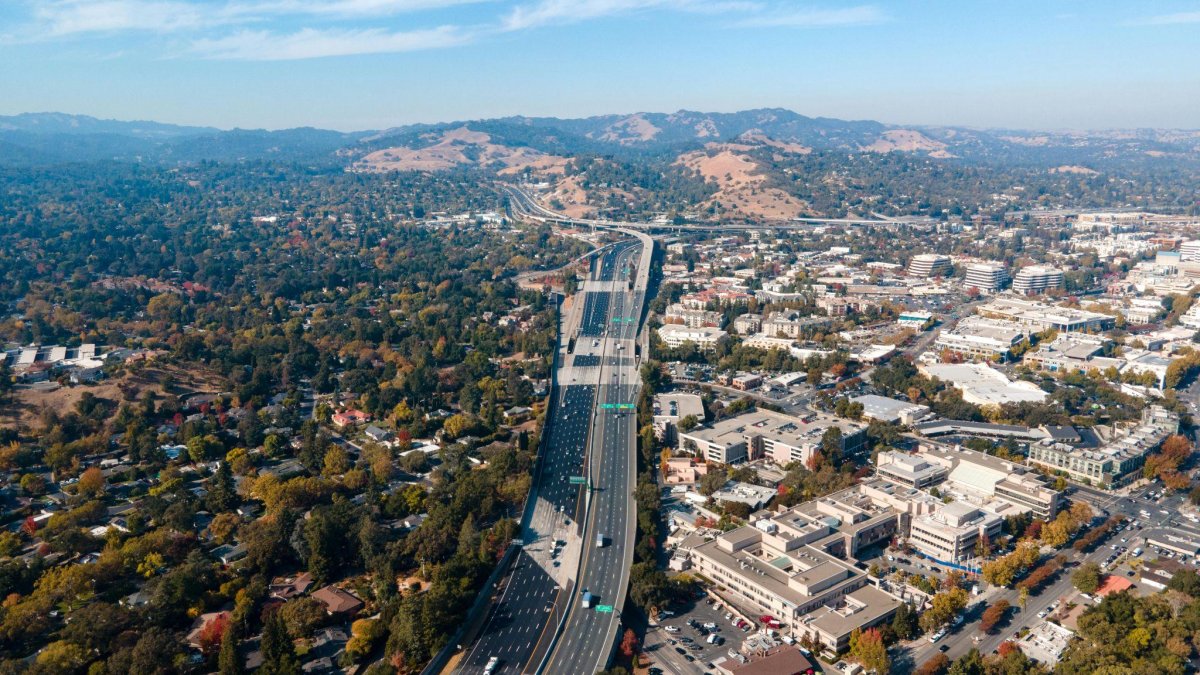

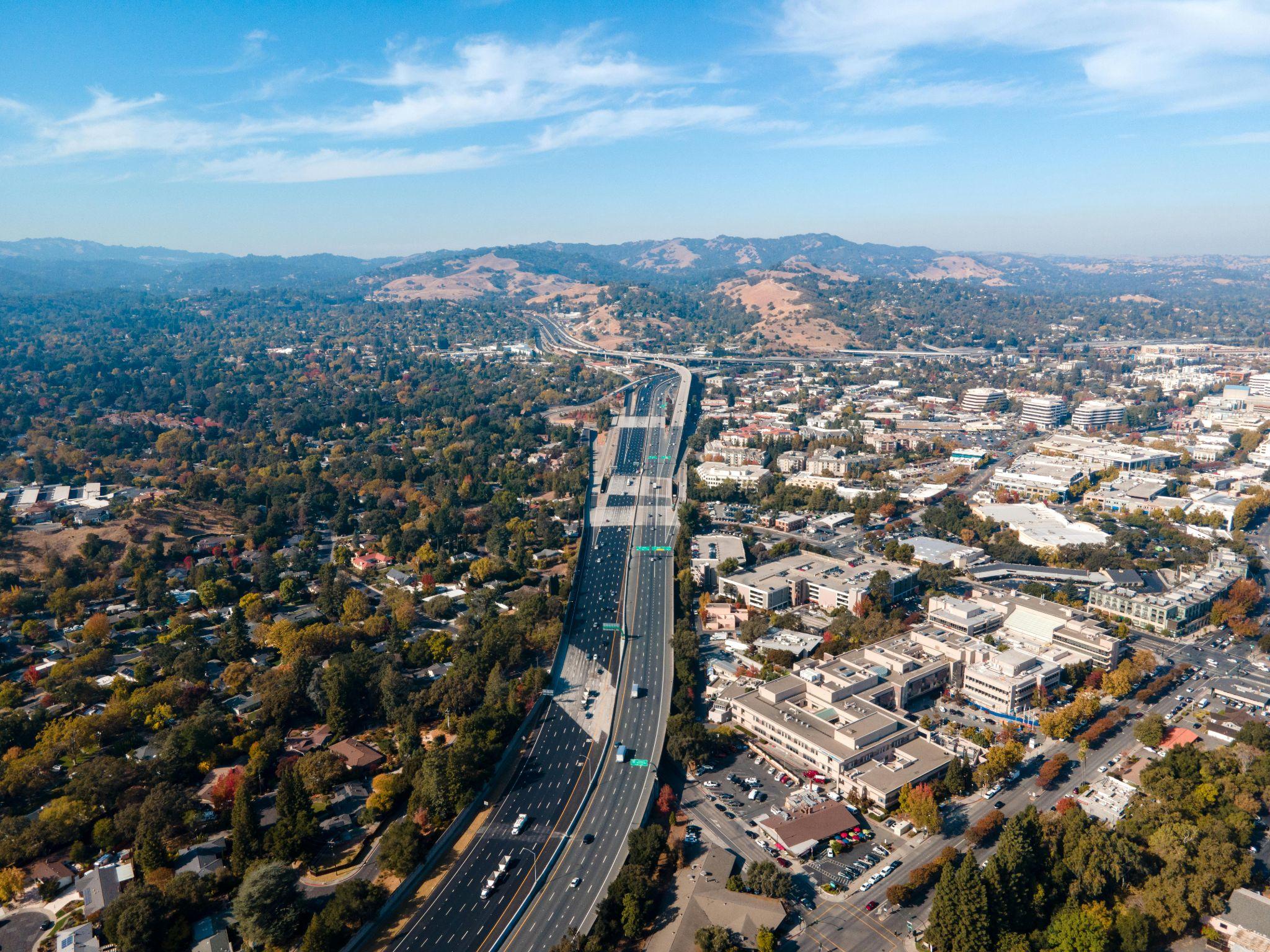
 North Dakota’s construction industry is experiencing one of the strongest growth periods in its history. New housing developments continue to expand outwards from cities such as Fargo, Bismarck, Grand Forks, and Minot, while infrastructure investments fuel record activity across the state.
Yet beneath the impressive pace of development lies a quiet but widespread issue: sinking concrete in driveways, sidewalks, garage floors, and patios. As builders race to keep up with demand, a growing number of residents are turning to North Dakota Concrete Lifting to stabilize their properties and prevent long-term structural damage.
This article explores why concrete settlement is rising across the state, how North Dakota’s geology and climate amplify the issue, and why modern lifting solutions are becoming the top choice for homeowners navigating the challenges of rapid development.
North Dakota’s Construction Boom Is Built on a Complex Geological Foundation
As new residential subdivisions sprout across the state, many are being built on marginal land once considered less ideal for development.
According to the North Dakota Geological Survey, large portions of the eastern half of the state sit on clay-rich soils, most notably the expansive “gumbo” clays of the Red River Valley. These soils are extremely sensitive to moisture changes, swelling when wet and contracting when dry.
For developers, this means even newly poured concrete slabs can face shifting ground beneath them before they have fully cured.
The quicker homes are built, the less time the soil has to settle naturally, increasing the risk of early-stage settlement. While builders follow best practices, the sheer pace of development in recent years means some soil conditions aren’t given time to stabilize before construction begins.
As neighborhoods expand into previously undeveloped zones, homeowners are discovering that their concrete slabs were placed on soil that is inherently unstable, an issue that becomes more apparent with every passing season.
The Freeze–Thaw Cycle Is More Aggressive in North Dakota Than in Most States
North Dakota experiences some of the harshest winter conditions in the United States. Long freezes, sudden thaws, and early spring moisture combine to create an environment where concrete settlement is practically guaranteed without proper soil stabilization.
Climate data from the North Dakota State Climate Office shows the state undergoes dozens of freeze–thaw cycles each winter.
Every cycle causes water in the soil to freeze, expand, and lift the concrete above it. When temperatures rise, the ice melts, the soil contracts, and the slab drops. Over time, this repetition pushes slabs out of alignment, creates voids beneath them, and weakens the surrounding base material.
Homeowners often notice the results first in their driveways: small dips that widen each winter, sudden slopes near garage entrances, or sections of slab that rise higher than adjacent panels. By early spring, many discover the damage has advanced dramatically, sometimes cracking freshly poured concrete less than a year old.
Rapid Urban Expansion Has Led to Increased Soil Disturbance
The state’s population growth and strong economy have fueled a wave of new residential projects. While this expansion is a sign of prosperity, it also means more soil is being excavated, backfilled, compacted, and reshaped at a rapid pace. In many areas, topsoil is stripped away and replaced with fill dirt that may not settle uniformly.
The North Dakota Department of Transportation (NDDOT) notes in its construction soil guidelines that improperly compacted fill is one of the leading causes of long-term settlement in concrete structures.
Even when contractors follow recommended practices, heavy equipment, changing moisture levels, and seasonal weather patterns can disturb soil layers enough to create voids under concrete slabs months or years later.
For homeowners, this often leads to sudden settlement beneath garage floors, patios, and sidewalks, areas typically supported by fill soil rather than native ground. The faster a neighborhood goes up, the more likely homeowners are to encounter these issues early in their property’s lifecycle.
Water Drainage Problems Are Amplifying Settlement in New and Old Neighborhoods
North Dakota’s dramatic seasonal shifts, from dry summers to rainy springs to frozen winters, create significant fluctuations in soil moisture. Small grading issues around homes can quickly escalate into major concrete settlement.
In expanding cities such as Fargo, West Fargo, and Bismarck, rapid development has changed the flow of stormwater across entire neighborhoods.
As more impervious surfaces are added, the runoff patterns shift, sometimes pooling near driveways, walkways, or foundations. Even minor depressions in the soil can capture water, saturating the base under concrete slabs.
Guidance from the North Dakota State Water Commission stresses proper drainage for all residential properties, yet even well-designed systems can be overwhelmed during heavy snowmelt or seasonal storms. When drainage issues combine with clay-heavy soils, slabs sink quickly, sometimes tilting toward the home and channeling water directly toward the foundation.
For residents, these issues are usually discovered after a heavy rainstorm or spring thaw, and often too late to prevent damage.
Concrete Settlement Is More Than Cosmetic—It Creates Real Safety Risks
As driveways, sidewalks, and walkways begin to sink, homeowners face more than just aesthetic concerns. Uneven slabs create trip hazards, particularly during winter when snow or ice obscures elevation differences. Vehicles may scrape bottom when entering garages, and children running across the driveway face increased risk of falls.
Sunken slabs near entryways can create water drainage issues that contribute to basement leaks or foundation problems, concerns highlighted frequently by local inspectors within the North Dakota Residential Building Code framework. Once a slab tilts toward the home, water infiltration becomes a much more serious risk.
For these reasons, many homeowners have realized that waiting for settlement to worsen is not only costly but dangerous. What begins as a minor dip can quickly turn into a structural issue that impacts the entire property.
Modern Concrete Lifting Has Become the Go-To Choice for North Dakota Homeowners
The growing popularity of concrete lifting across North Dakota, and especially polyurethane foam lifting, is no coincidence. These techniques provide durable, long-lasting stabilization that directly addresses the underlying cause of settlement: voids in the soil.
Polyurethane foam injection, in particular, has become a preferred method due to its resistance to water, its ability to withstand freeze–thaw cycles, and its rapid curing time. Unlike mudjacking, which is an older method that uses heavy slurry, polyurethane foam is lightweight and will not add additional downward pressure on already unstable soil.
The foam expands beneath the slab, fills voids, lifts the concrete back into position, and forms a stable base that resists moisture infiltration. Homeowners can walk or drive on the repaired slab within minutes, and the results last for decades, even in North Dakota’s harsh climate.
Conclusion
North Dakota’s rapidly growing construction sector is reshaping communities across the state. Yet beneath this progress lies a silent, widespread issue: concrete settlement driven by clay-heavy soils, aggressive freeze–thaw cycles, shifting drainage patterns, and the pace of modern development.
The combination has created a perfect storm for sinking driveways, sidewalks, patios, and garage floors in both new and established neighborhoods.
Traditional replacement can no longer keep up with the conditions that cause slabs to settle. That’s why modern lifting techniques, especially polyurethane foam lifting, have become the solution homeowners trust.
For residents looking to protect their properties before the next winter arrives, addressing concrete settlement early is no longer optional; it is a crucial part of responsible home maintenance in a rapidly growing state.


- Why Growing Workshops Need to Treat Abrasives as a Business Decision, Not a Consumables Line ItemA lot of Australian workshops still buy abrasives the same way they buy tea bags, gloves or bin liners. Someone spots a deal, a carton lands, the team uses it until it runs out, then the cycle repeats. That works for a while. It usually... The post Why Growing Workshops Need to Treat Abrasives as […]