

Washington State’s rainy climate creates a challenging environment for garage door systems. The persistent moisture, cool temperatures, and high humidity levels found throughout the region accelerate wear on components that other climates might treat casually.
Understanding exactly how wet conditions affect each part of your garage door system empowers you to take protective action and avoid costly failures. This comprehensive guide examines the practical impacts of Washington’s weather on your garage door and provides actionable solutions to extend system lifespan.
The Bottom Seal Vulnerability in High-Rainfall Zones
Your garage door’s bottom seal is the primary barrier against water intrusion during heavy rain. In Washington’s wet climate, this rubber strip faces extraordinary stress. The constant exposure to moisture causes the rubber to become brittle and crack over time. As the seal deteriorates, water begins pooling under the door, potentially entering your garage and damaging stored items.
More seriously, water infiltration allows moisture to reach the garage floor and adjacent structures, creating conditions favorable for mold growth. Many Washington homeowners discover seal failures only after water has already caused damage. The solution is proactive replacement on a regular schedule, typically every 18-24 months in high-rainfall areas.
Modern replacement seals are designed with moisture-resistant materials that perform better in Pacific Northwest conditions than older traditional seals.
Panel Rust: The Slow Corrosion Problem
Steel garage door panels are particularly vulnerable to rust in Washington’s wet environment. While panel rust may appear to be merely cosmetic, it represents a serious structural concern. As rust develops, it eats through the metal, weakening the panels and compromising the door’s ability to withstand wind or accidental impact.
The wet climate accelerates rust formation, panels that might take years to rust in Arizona can show significant corrosion within 18 months in Washington. Early detection is critical. Inspect your panels monthly, looking for orange or brown discoloration, especially in areas where water tends to collect or where the finish has been scratched. Paint damage exposes bare metal to the elements, immediately accelerating rust.
Touching up paint scratches and applying protective coatings can prevent rust from establishing. Once rust penetrates deeply, panel replacement becomes necessary. Many homeowners in wet climates choose galvanized or composite panels for replacements, as these materials resist corrosion significantly better than standard steel.
Track Corrosion and Alignment Issues
Garage door tracks guide your door smoothly during operation. In wet conditions, tracks become susceptible to rust and corrosion, which causes misalignment and binding. When tracks corrode, your door may stick, move unevenly, or produce grinding sounds.
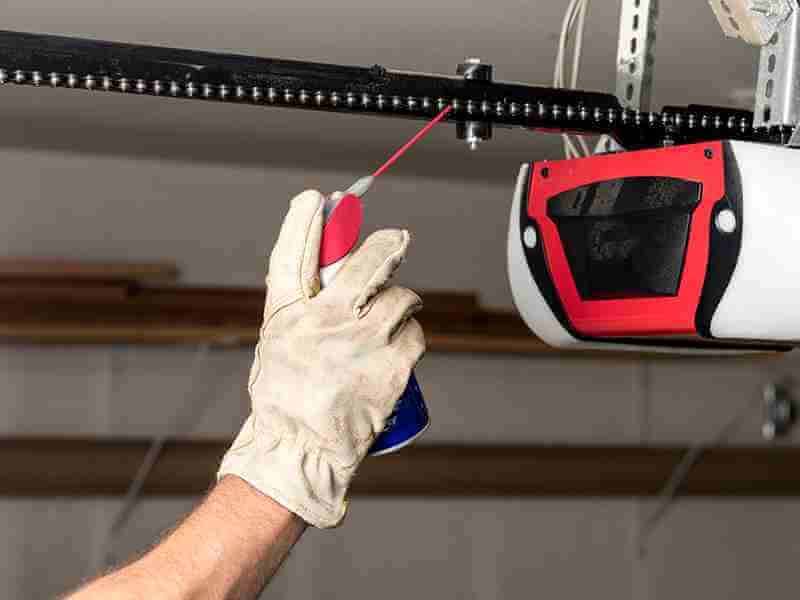
Corroded tracks also increase the burden on your garage door opener, potentially causing premature motor failure. Water accumulates in the bottom channels of horizontal tracks, creating pockets where corrosion develops rapidly. Regular inspection and cleaning of tracks removes debris and standing water. Apply a moisture-displacing lubricant designed for wet climates to protect metal surfaces.
If you notice rust forming on tracks, address it immediately with wire brushing and protective coating application. Deep corrosion that causes visible track deformation requires professional replacement. Ignoring corroded tracks leads to escalating problems, what starts as minor binding can damage the door itself or cause safety concerns if the door slips or moves unexpectedly.
Spring Corrosion and Tensioning Problems
Garage door springs are the hardest-working components in your system, and in Washington’s wet climate, they face constant corrosion threats. Springs operate under extreme tension to balance your door’s weight, and corrosion weakens the metal. A corroded spring can snap suddenly without warning, leaving your door stuck or crashing down.
Unlike panels or seals, spring failures are emergency situations that require immediate professional attention. You cannot operate your door safely or adjust spring tension yourself. Prevention through regular professional maintenance is the only practical approach. Technicians can assess spring condition, apply protective coatings, and identify springs nearing end-of-life before they fail.
In the Pacific Northwest, springs may need attention more frequently than in drier regions. Many professionals recommend bi-annual inspections in high-rainfall zones rather than the standard annual inspection.
Garage Door Opener Moisture Damage
Your garage door opener is an electronic device that controls the entire system. Moisture is the enemy of electronics. In attached garages in Washington, humidity levels can remain elevated year-round, creating an ideal environment for corrosion of electronic components, circuit boards, and the motor itself.
Condensation can form inside the opener housing when warm, moist air contacts cold metal. Over time, corrosion compromises electrical connections and sensor function. Many opener failures in the Pacific Northwest are directly attributable to moisture damage rather than mechanical wear. Mitigation strategies include installing the opener away from direct exposure to exterior walls, applying protective sealants around the opener housing, and ensuring adequate garage ventilation.
Some homeowners install dehumidifiers in their garages to reduce ambient moisture levels. When selecting a replacement opener, choosing models with enhanced moisture resistance and sealed component design can reduce future problems.
Safety Sensor Deterioration
Modern garage doors include safety sensors that prevent the door from closing if an object is detected beneath it. These sensors are particularly vulnerable to moisture. Water can corrode the electrical connections, cloud the sensor lens, or damage internal circuitry.
A failing sensor compromises a critical safety feature. Test your sensors monthly by waving your hand beneath the door during closing, it should reverse immediately. If your door does not respond, the sensor is failing. In wet climates, sensor maintenance should include cleaning the lens regularly and checking electrical connections for corrosion.
Some homeowners find that sensors in protected locations perform better than those exposed to wind-blown rain. When replacing sensors, choosing models with enhanced moisture seals extends operational life in Pacific Northwest conditions.
Extending System Life Through Climate-Aware Maintenance
Understanding how Washington’s wet climate affects each component of your garage door system allows you to prioritize maintenance and prevent failures. The key is recognizing that standard maintenance schedules developed for drier climates may not be sufficient in the Pacific Northwest.
Homeowners here should plan for more frequent inspections, more aggressive seal replacement, and specialized lubricants designed for high-moisture environments. Creating a schedule that addresses seals in spring before the rainy season begins, cleaning and lubricating tracks before winter, and having professional inspections twice annually provides comprehensive protection.
Many garage door service WA companies recommend this enhanced maintenance approach specifically for local climate conditions.
Investing in Quality Components
When replacement time arrives, choosing components specifically engineered for wet climates provides better long-term value. Galvanized hardware resists corrosion better than standard fasteners. Insulated panels provide thermal benefits while offering superior rust resistance compared to uninsulated panels.
High-quality seals with moisture-resistant materials outperform budget alternatives in Washington. While these upgrades may cost more initially, they typically deliver better total cost of ownership by reducing maintenance frequency and extending overall system lifespan. Your WA Garage Door Service professional can recommend components specifically suited to the Pacific Northwest climate.
Conclusion: Climate Awareness Saves Money and Prevents Problems
Washington State’s wet climate demands a proactive, informed approach to garage door maintenance. By understanding the specific vulnerabilities of each system component and implementing climate-appropriate maintenance, you prevent expensive emergencies and extend the life of your investment.
The bottom seal, panels, tracks, springs, opener, and sensors all require special attention in high-rainfall zones. Regular professional maintenance identifies problems before they escalate while preventive measures like protective coatings and quality components reduce future wear.
Your garage door works year-round to protect your home and vehicle, it deserves maintenance that matches the demands of the Pacific Northwest environment.


- How to Maximize Home Office Space in a Studio or One-Bedroom ApartmentAs more people continue working from home, renters are rethinking how they use every square foot of their apartments. A productive home office doesn’t require a dedicated room. With intentional design, even a studio apartment or one-bedroom layout can support focused work while still feeling... The post How to Maximize Home Office Space in a […]